Duška Boban
Architexture, 2024
An Exhibition was a temporary intervention on the building of the Public Open University in Zagreb, designed by architects Radovan Nikšić and Ninoslav Kučan, with the interior designed by Bernardo...
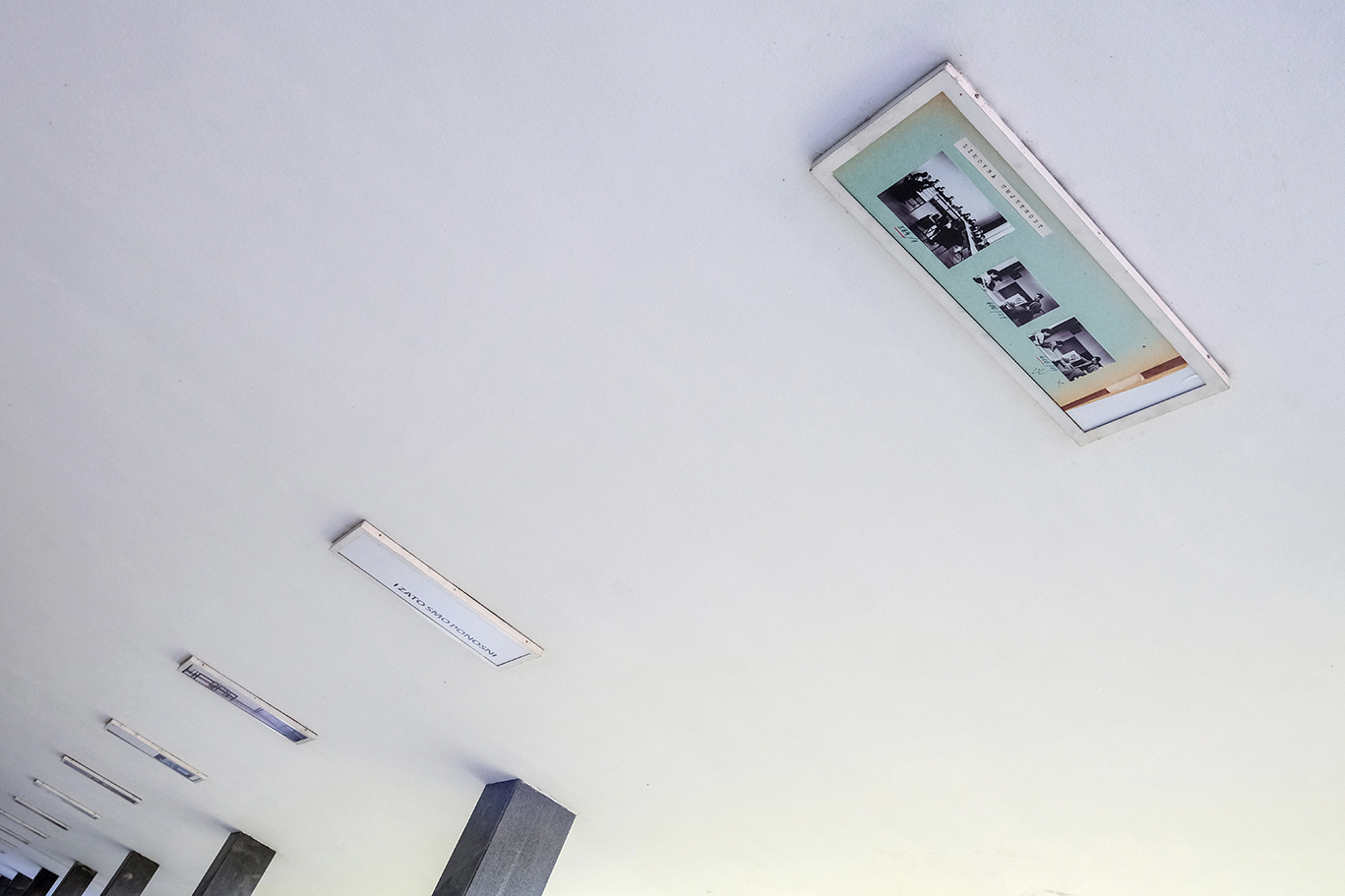
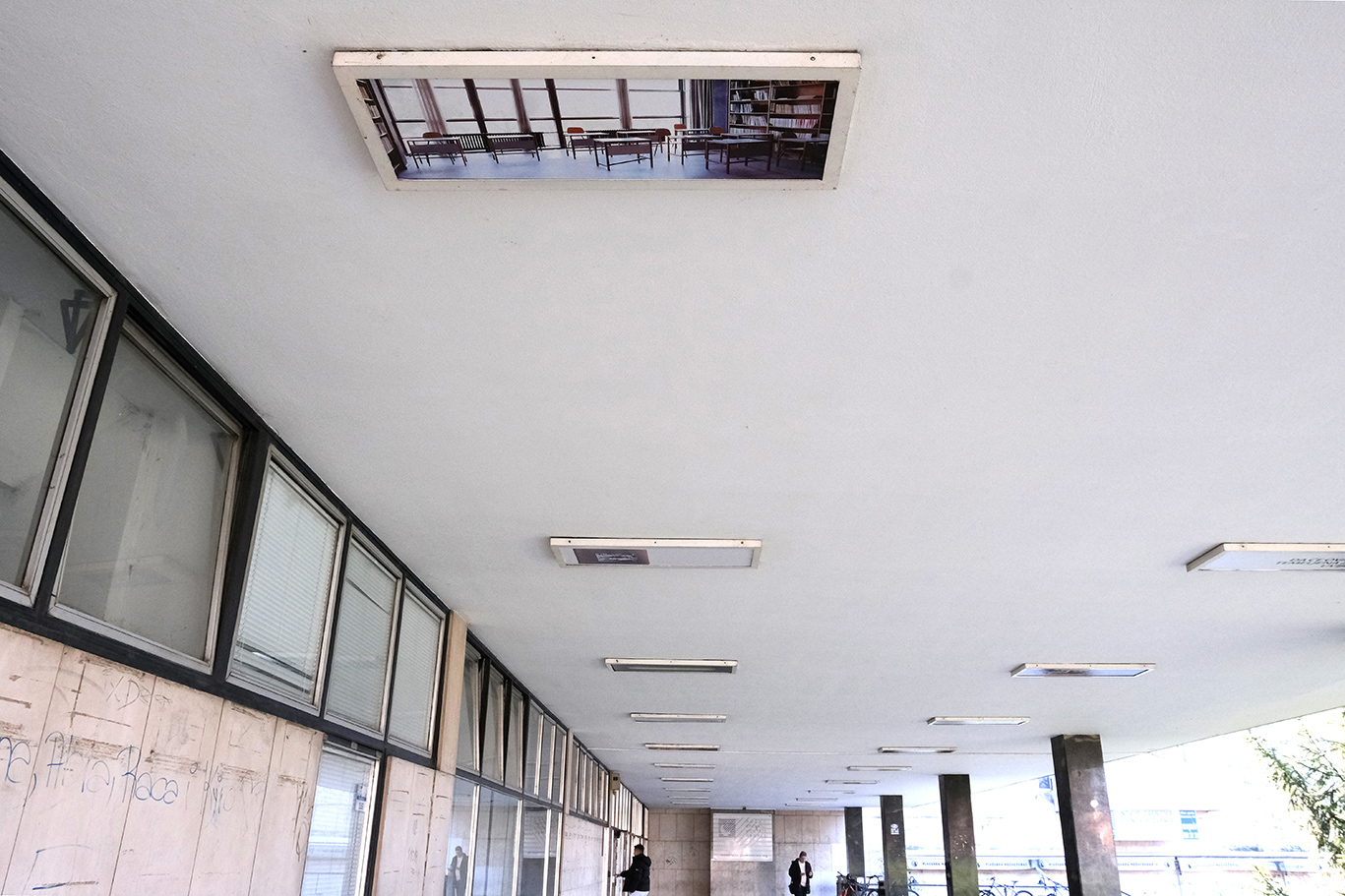
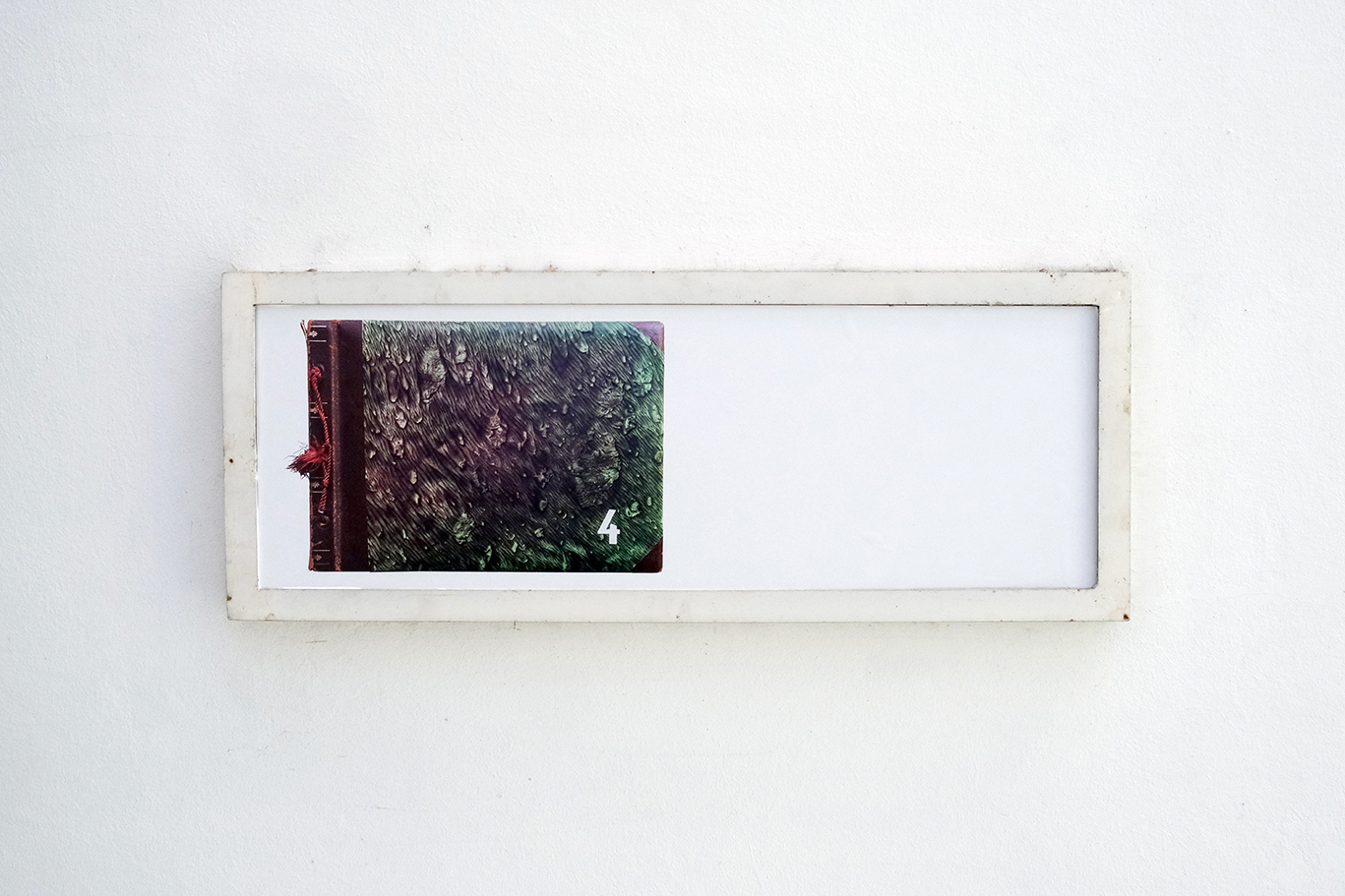
An Exhibition was a temporary intervention on the building of the Public Open University in Zagreb, designed by architects Radovan Nikšić and Ninoslav Kučan, with the interior designed by Bernardo Bernardi in 1961. The project was realized as part of the RADNIČKO competition, and consists of application on the lighting fixtures of the entrance vestibule: Photograph of archival material from the institution's collection; Author's analogue and digital photographs of the ambient space; Design of the final sentence of the speech by Većeslav Holjevac, delivered in 1957 and stored in the building's foundation.
My artistic research focuses on the iconic building of the Public Open University in Zagreb, designed by architects Radovan Nikšić and Ninoslav Kučan, with interior and furniture designs by Bernardo Bernardi. The proposal was built based on an idealized perception stemming from "textbook" knowledge and its status as a cultural monument. Unlike some other buildings that interest me artistically, this one is not abandoned. However, I was surprised that maintaining its original function has not prevented it from falling into a state of decay. The environment, envisioned to promote learning, self-actualization, community building, and future aspirations, has had to adapt almost spontaneously to the "new age" due to a lack of proper heritage conservation.
Over time spent in "Moša" (the building’s colloquial name), I unexpectedly found mirth in the signs of decay, which I see as indicators of presence and persistence. I searched for these signs using my trusted optical instrument — my camera. With the help of photo albums from my esteemed predecessors, I decode the language of the building and discover a time capsule within. Once more, I aimed to illuminate what has been discarded, hidden, or forgotten.
For my intervention, I selected the western entrance porch, accessible to every passerby. This area serves as a recognizable bridge between the interior and exterior and has been historically captured in photographs during both ceremonial and everyday encounters. I transformed the light fixtures into 29 lightboxes, each featuring fragments of the interior and documents that are embedded in the physical and conceptual foundations of the University, making them open and visible to all. By illuminating the architecture and its historical significance, I hope to revive the desire to restore a building that symbolizes a state’s social responsibility. Among my photographs of the building and its archives, I present a sentence from a speech delivered at this site in 1957 for the People’s Committee of the City of Zagreb by Mayor Većeslav Holjevac, just before it was permanently embedded into the building’s foundations: "And for that we are proud today, because we know that this building, founded by us, will always remain a magnificent monument to the glorious era in which people first began to reap the fruits of socialism".
Grain-19, 2020
I selected photographs with hidden human figures from my archive of analogue images depicting the architecture and landscapes of Split. Through reframing, i.e. enlarging details from the original photographs, the...
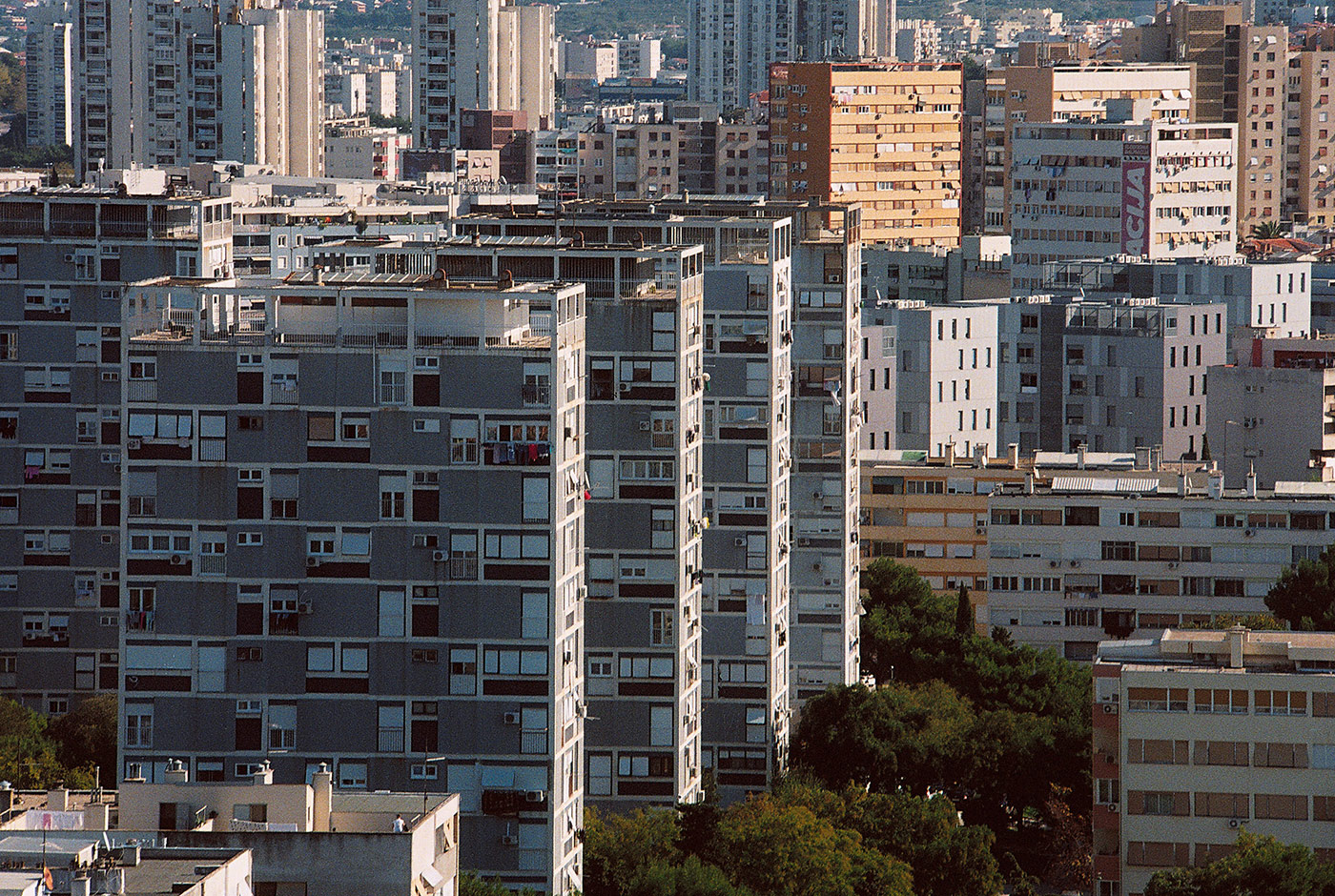
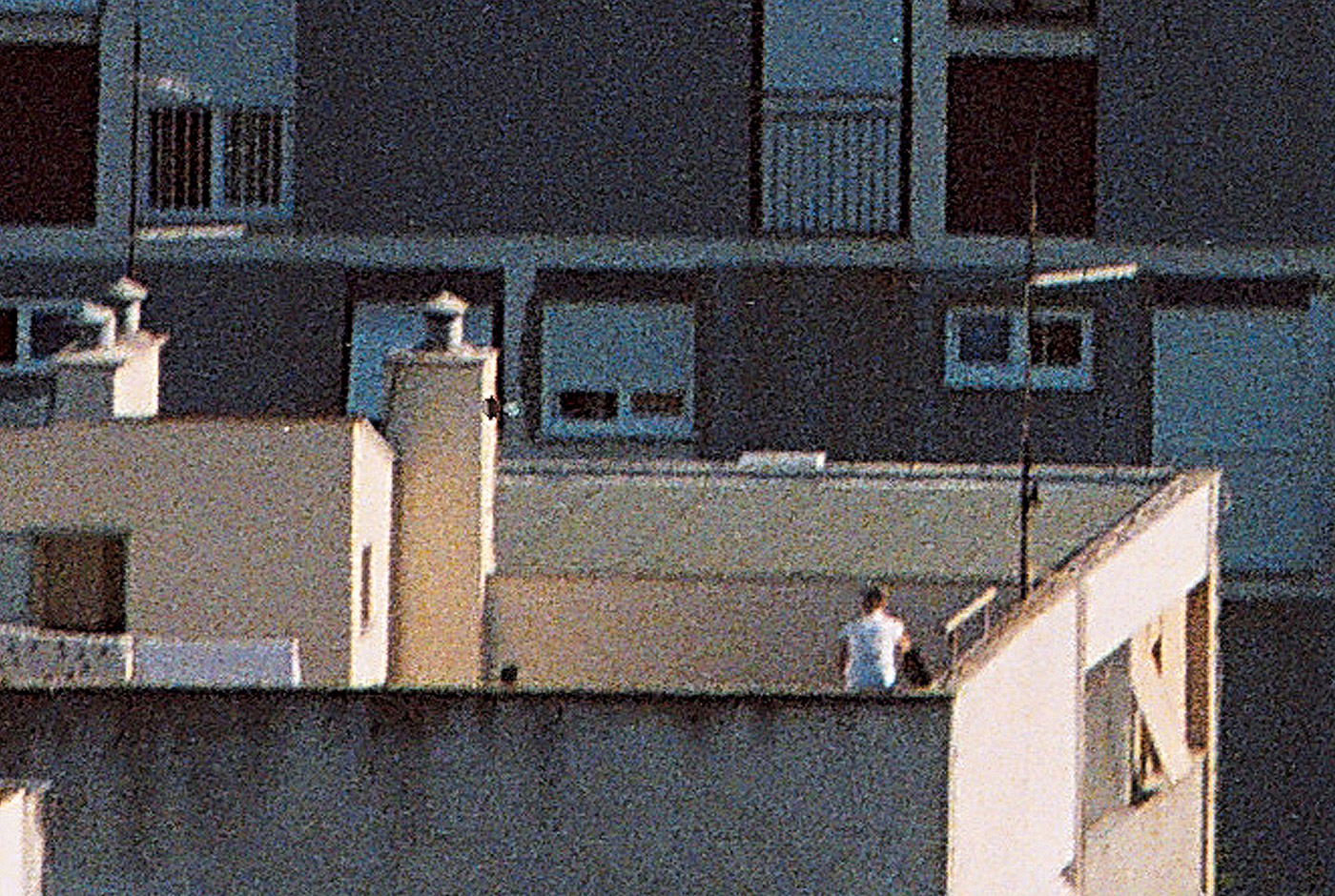
I selected photographs with hidden human figures from my archive of analogue images depicting the architecture and landscapes of Split. Through reframing, i.e. enlarging details from the original photographs, the human figure emerges, mostly isolated and absorbed in solitary activity. Unlike the sharp first versions of the photographs, the newly created images display the visible grain structure of the photographic film, which gives them a "marginal", almost unacceptably intimate and vulnerable quality.
The creation of a new image from an existing photograph represents a return to the origins of photographic thinking—the framing of the observed and the construction of the scene—pointing to the possibilities of choice within a moment, to the freedom of decision-making. "Photographs bear witness to a human choice being exercised in a given situation", wrote John Berger in 1968.
Through such processes, my focus turns precisely to these questions of freedom and choice in the time of the COVID-19 pandemic, but also more generally to the anthropocentric conditions that have undoubtedly led to this crisis and to other anticipated catastrophes. The question of the cost of human dominance over the environment briefly surfaced in mainstream discourse, made tangible by human and economic losses, as well as by restrictions imposed by state apparatuses that threaten to become normalized.
By selecting locations with deferred tourist potential, I wished to recall certain values that require continuous care: the preservation of natural and cultural resources, infrastructure, public healthcare, and social services. We must return to the idea of a city oriented toward providing the conditions for work and living, toward its own sustainability.
LIST OF WORKS:
- Bambina glavica, protected landscape and unresearched archaeological site in the Marjan Forest Park / photographed in 2015
- Coast near Villa Dalmacija in the Marjan Forest Park, a complex that in 1949 became the residency of Josip Broz Tito and still remains closed to public / photographed in 2016
- Ambasador Hotel designed by Josip Kodl, Vojin Simeonović, Helen Baldasar and Emil Ciciliani, built in 1937, demolished in 2019 to enable the building of a larger hotel complex at the site / photographed in 2015
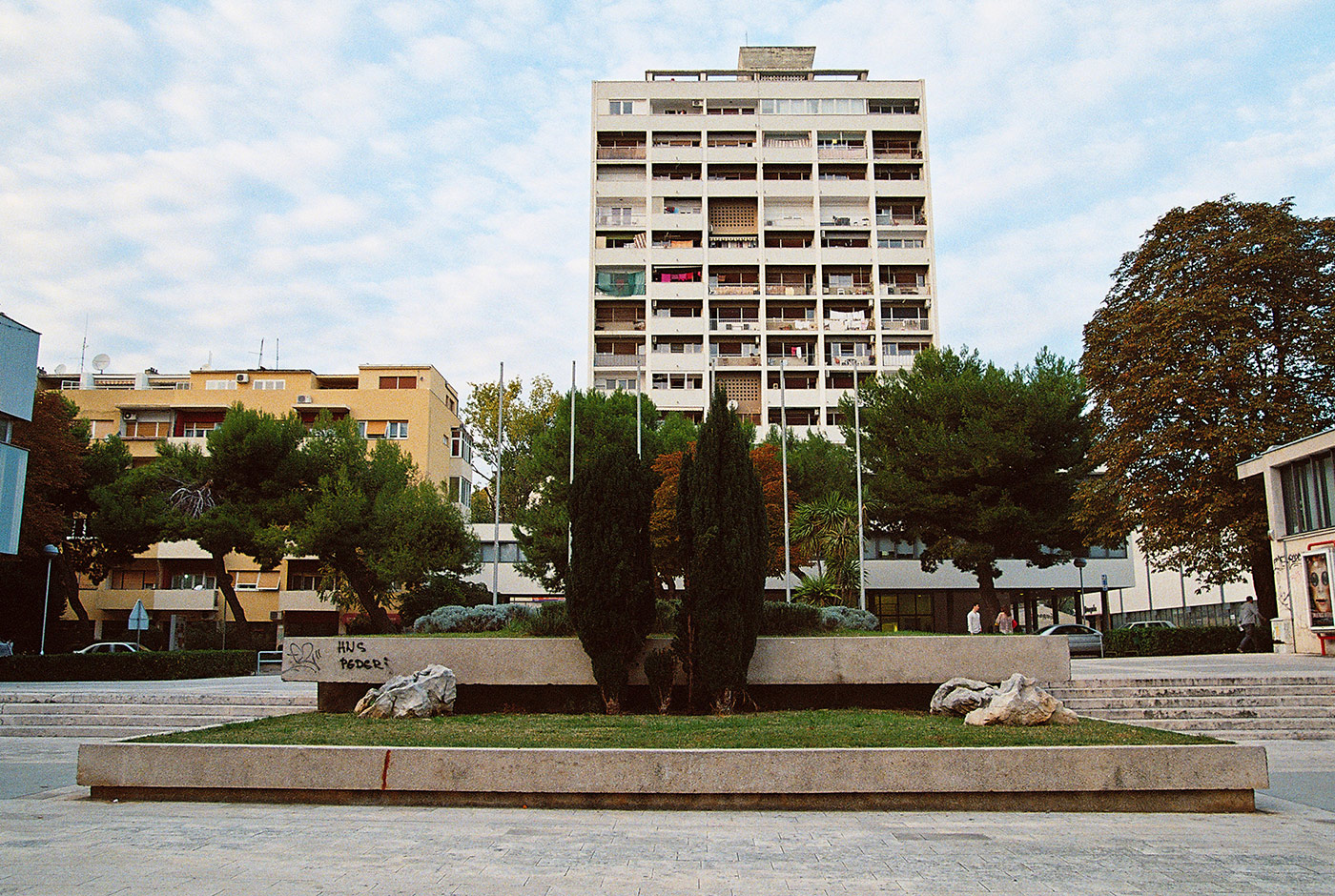
- Pomgrad skyscraper designed by Vuko Bombardelli, built in 1963, currently houses the Centre for Social Welfare / photographed in 2014
- Residential skyscrapers in Glavičine (Table) designed by Stanko Fabris, built in 1963 / photographed in 2014
- Firule Hospital by architect Zoja Dumengjić built in 1969 / photographed in 2014
- Residential building S-3/1, Split by architect Frano Gotovac, built in 1973, 17-storey-building known as Krstarica / photographed in 2015
- Križine Hospital (former Military Hospital) by architect Antun Ulrich, built in 1965, presently used also as a Covid Hospital / photographed in 2015
- Residential skyscrapers in Spinut by architect Ivo Radić built in 1968 / photographed in 2015
Amorella – A Floating City, 2019
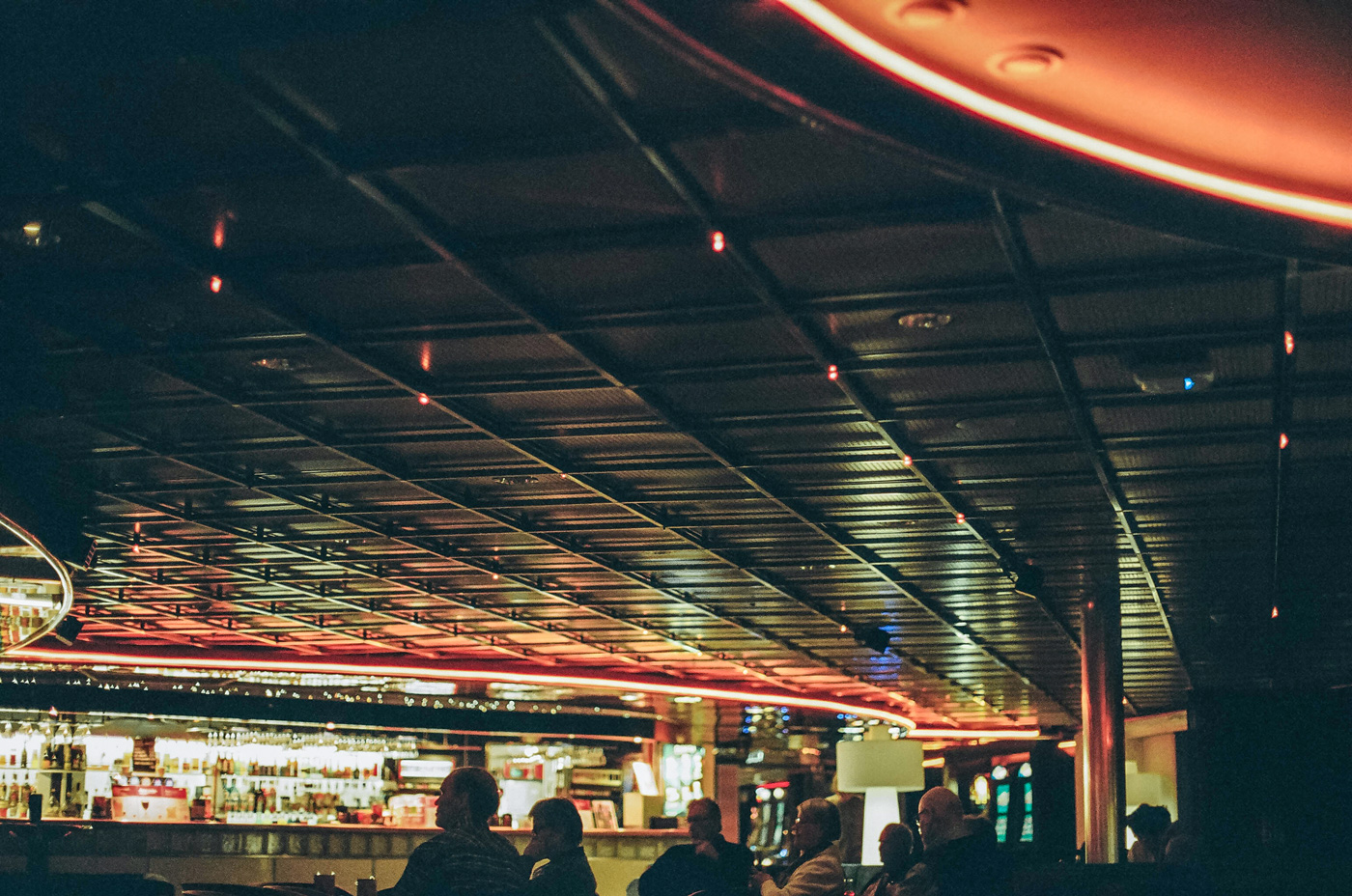
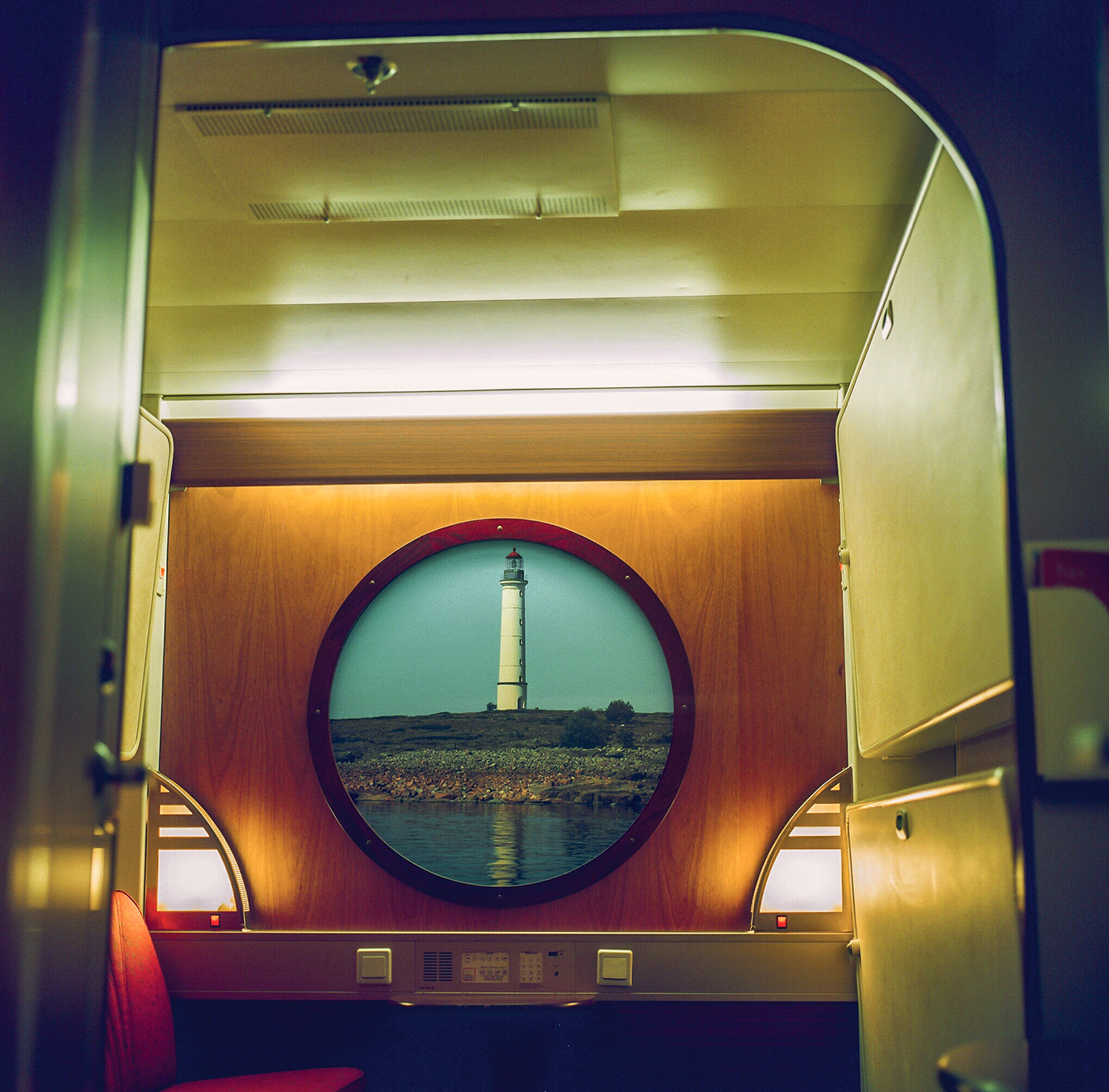
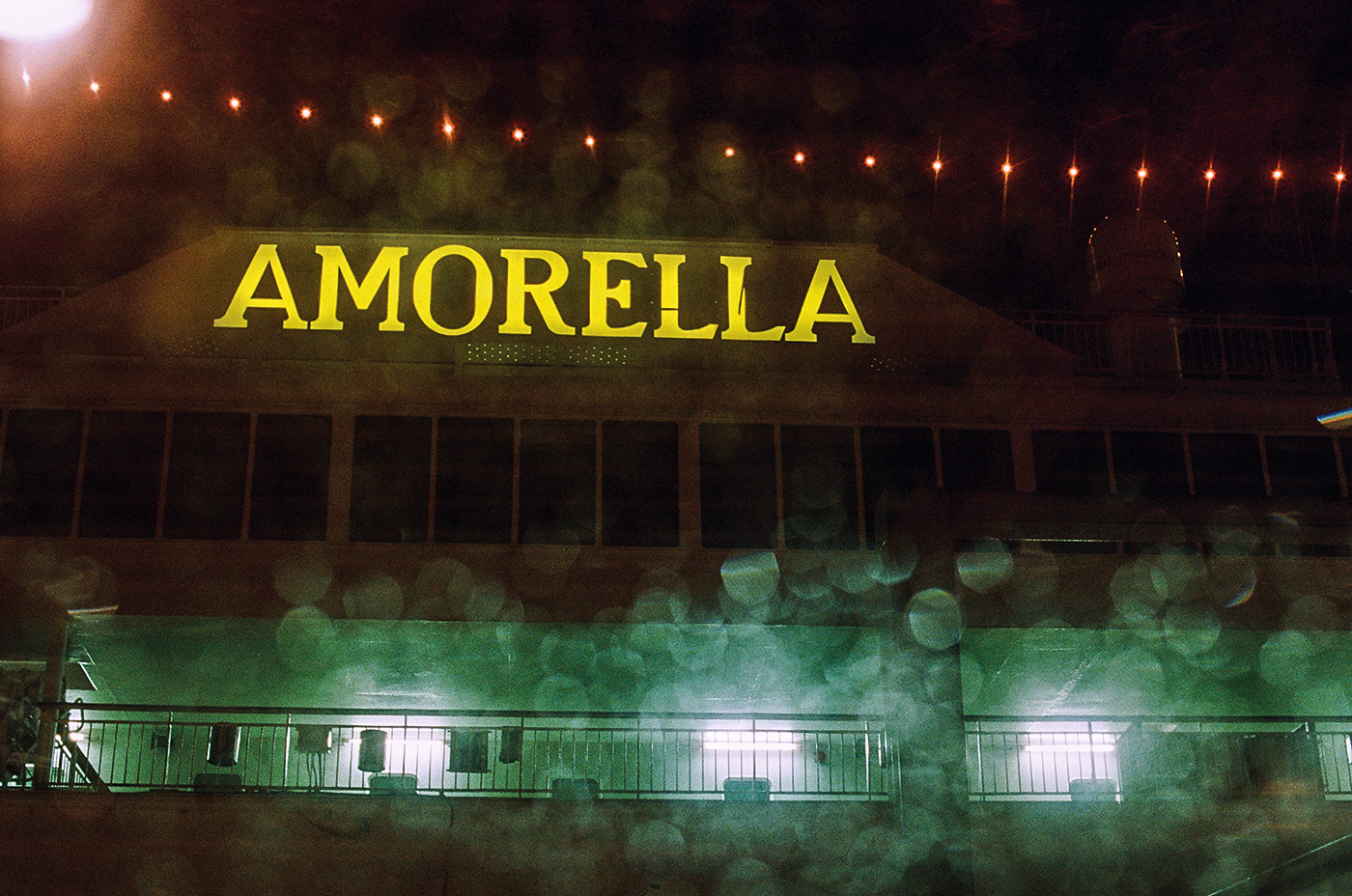
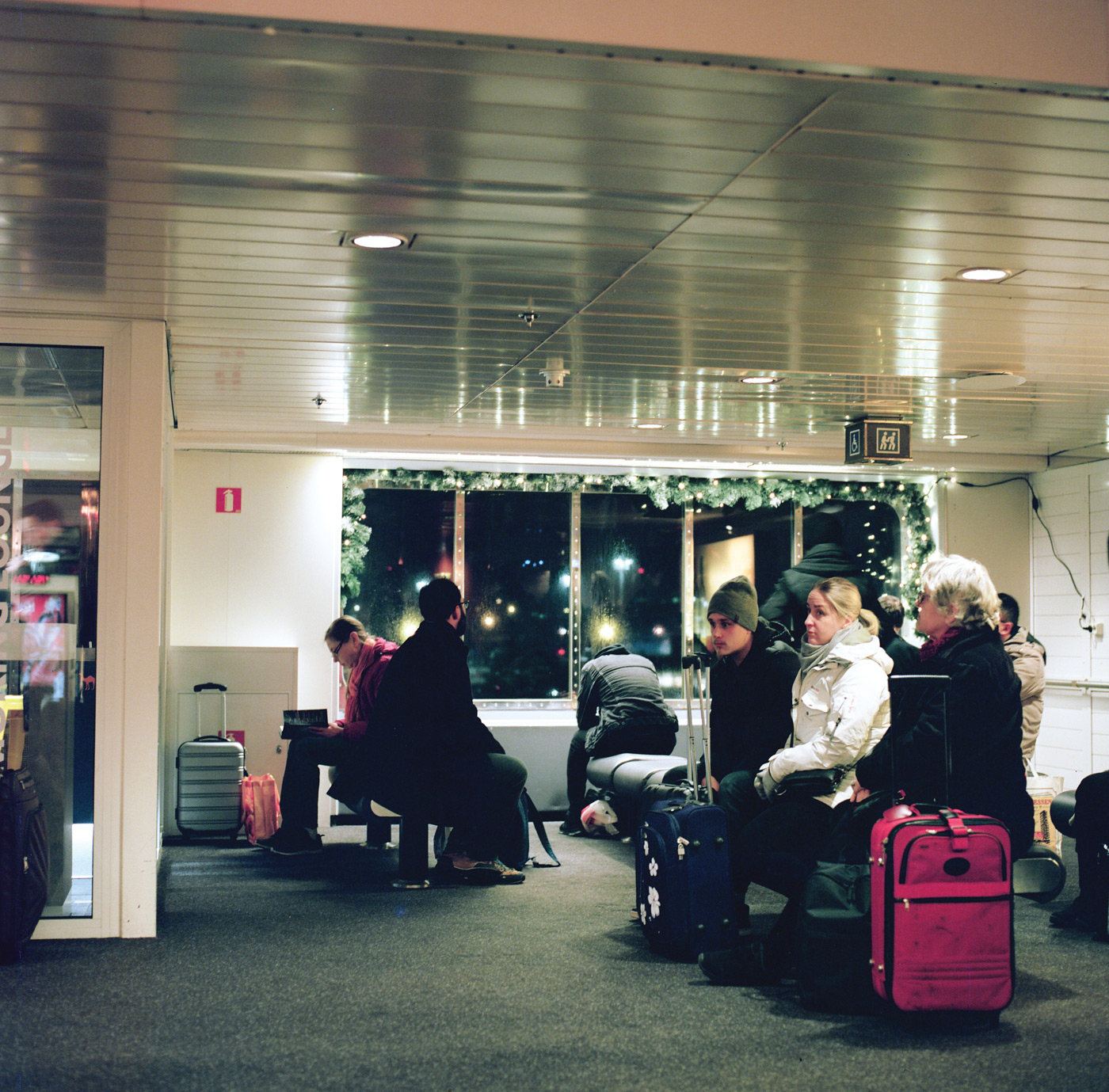
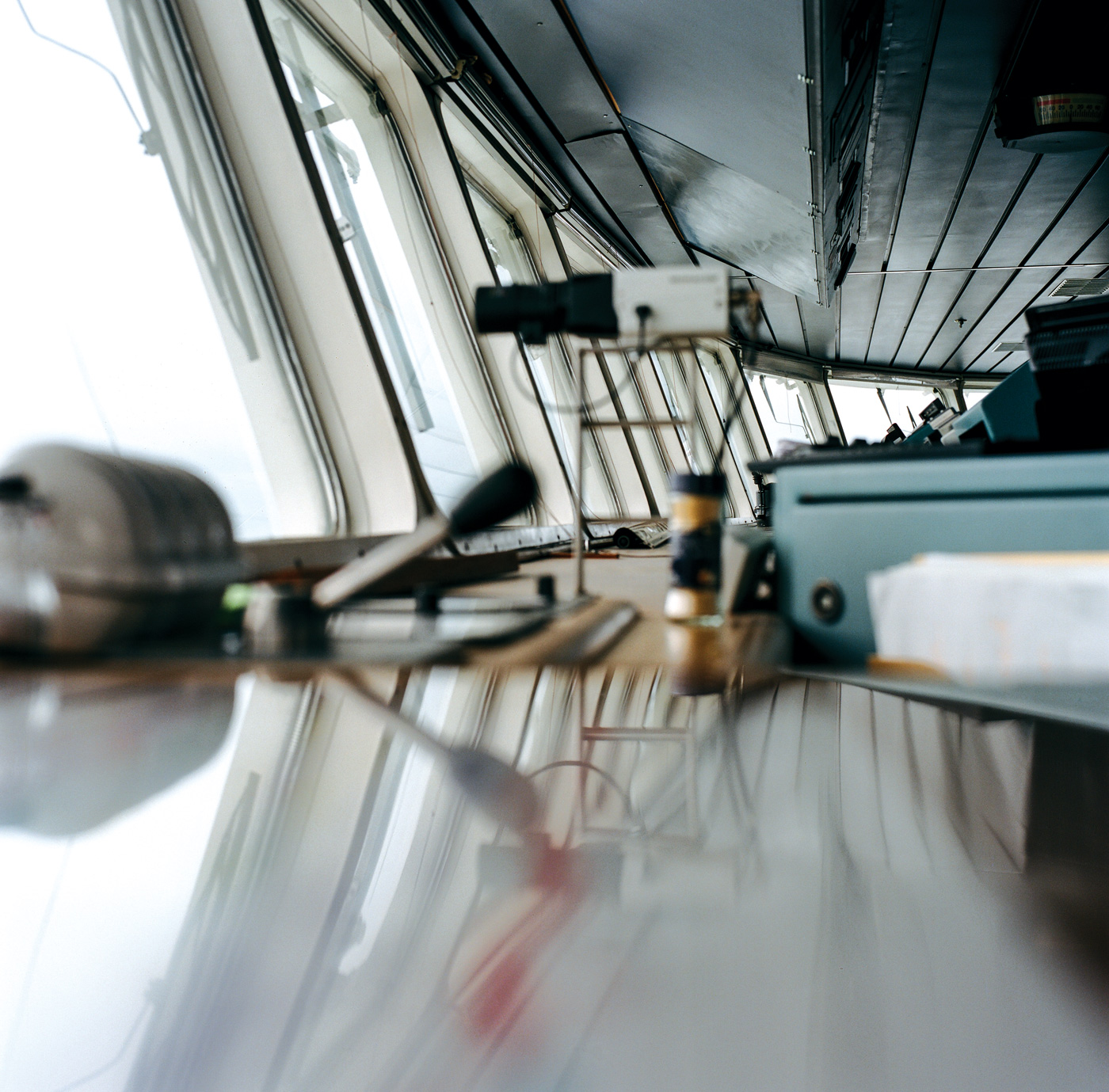
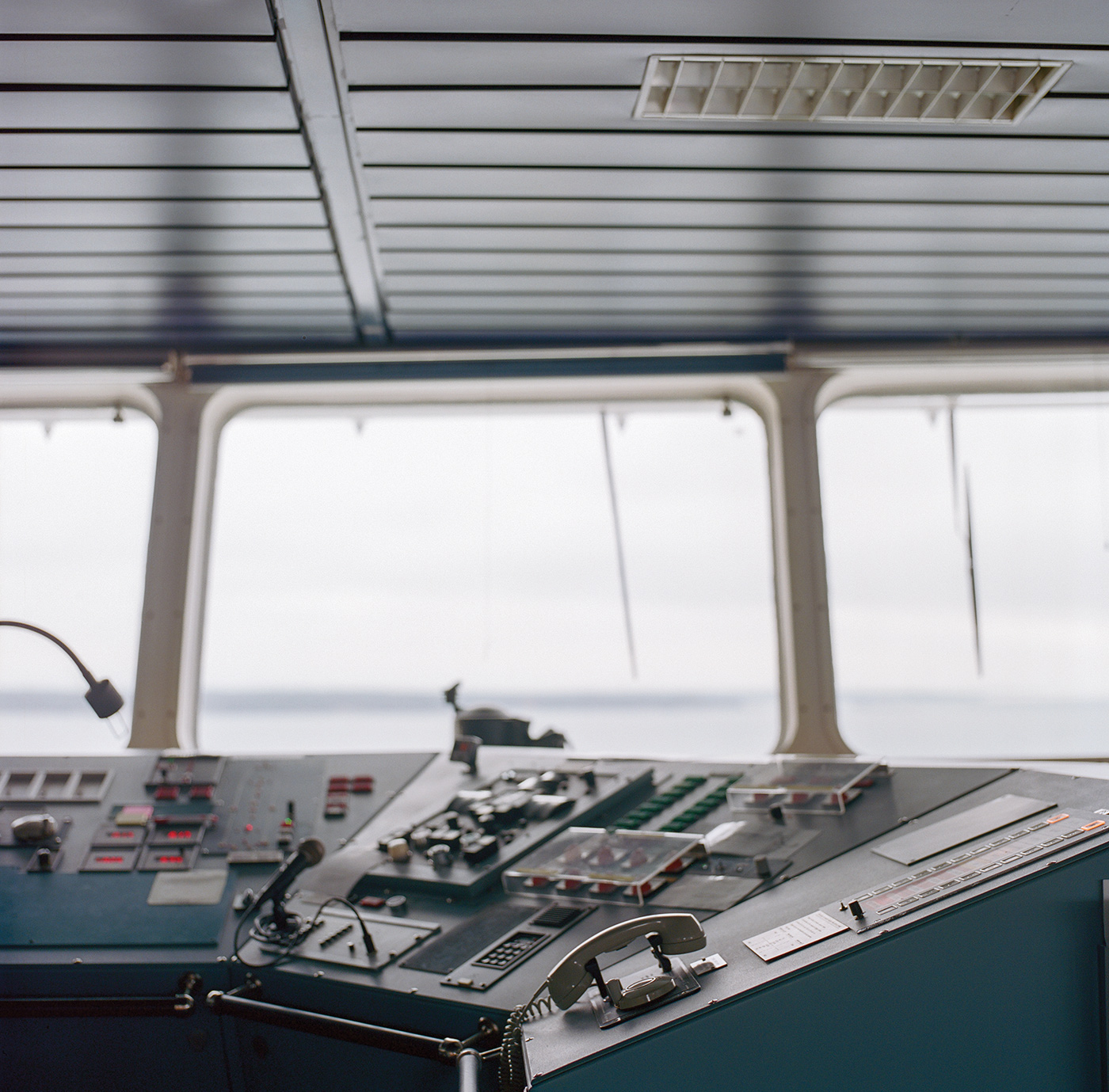
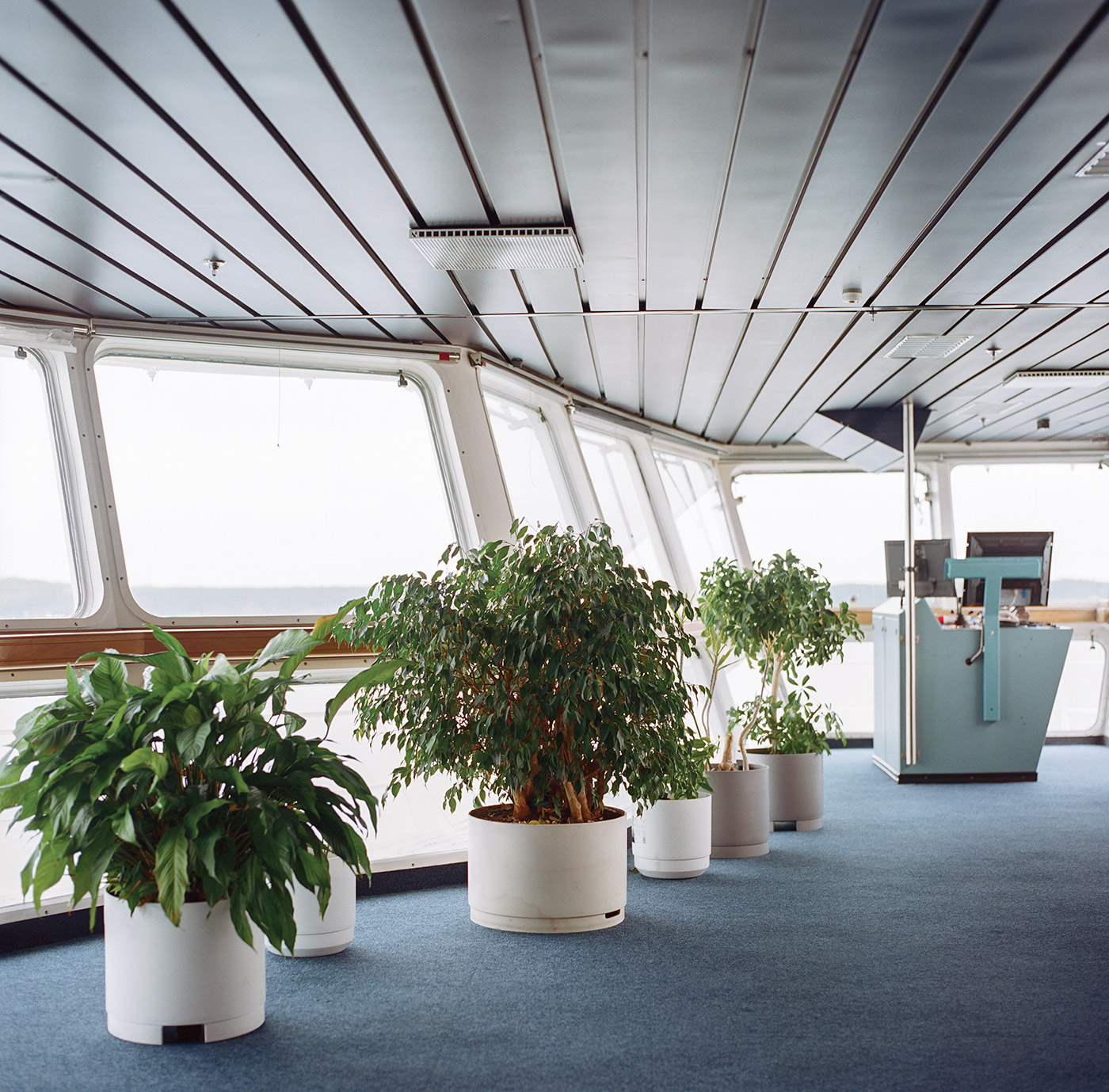
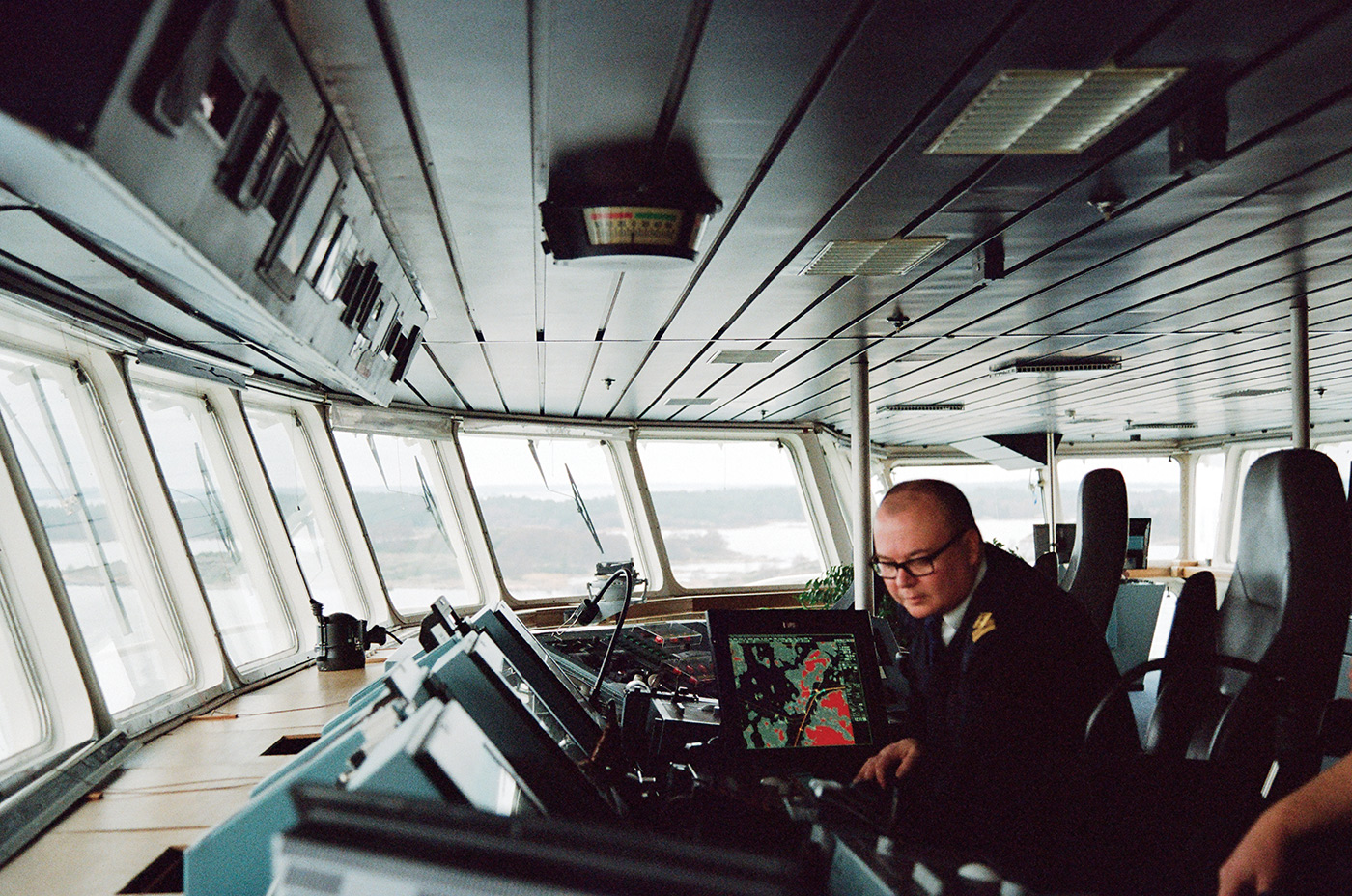
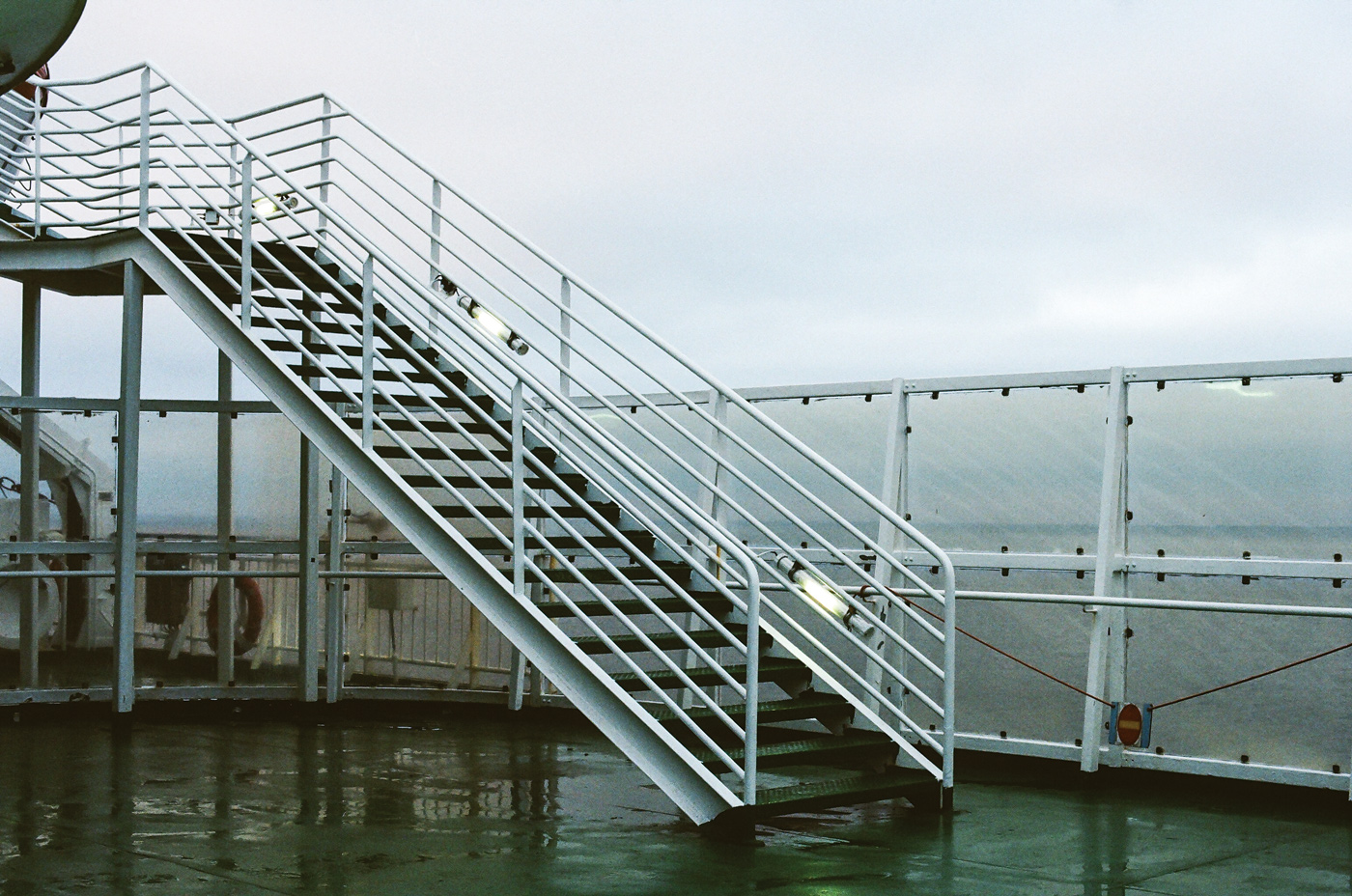
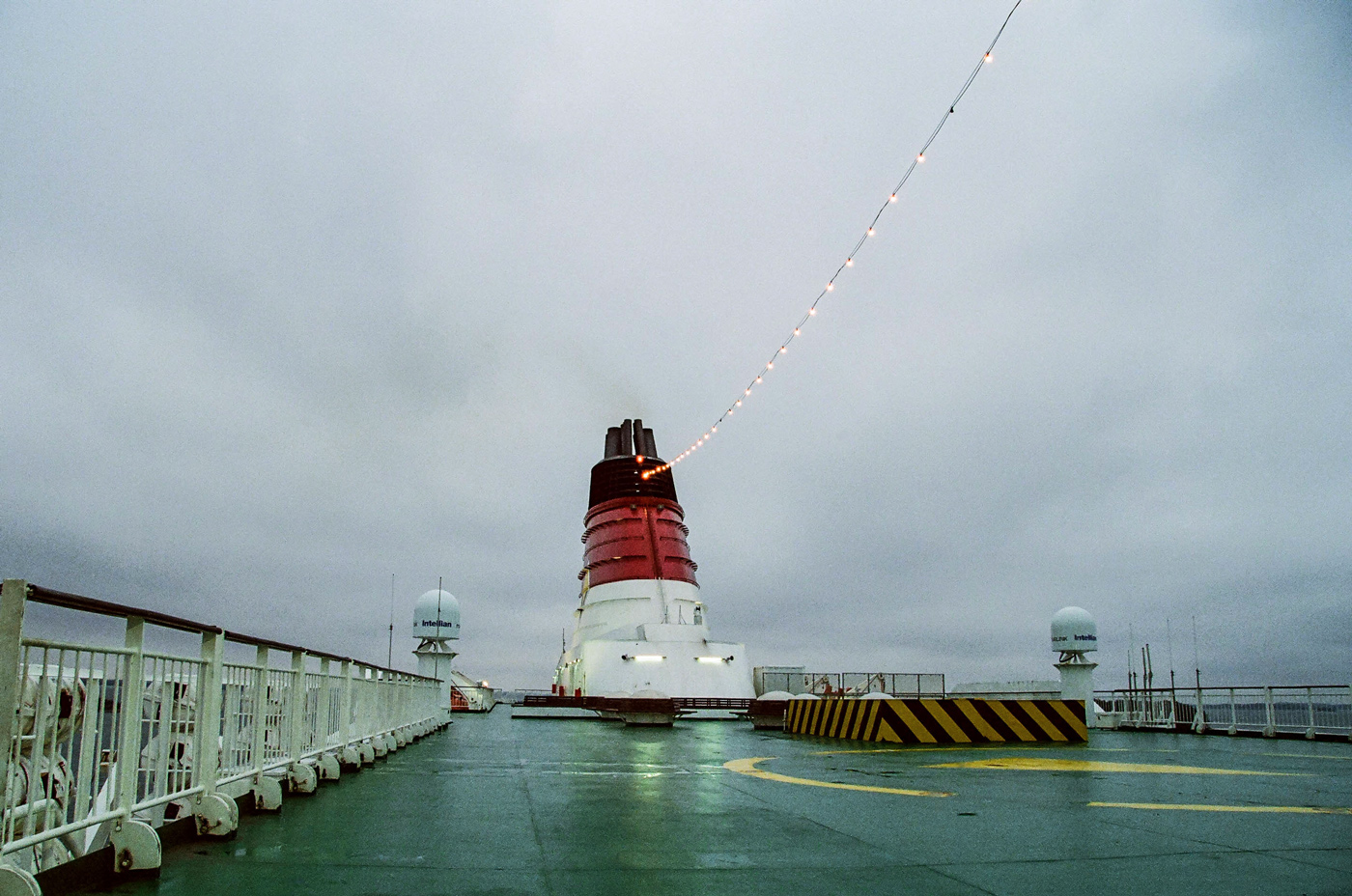
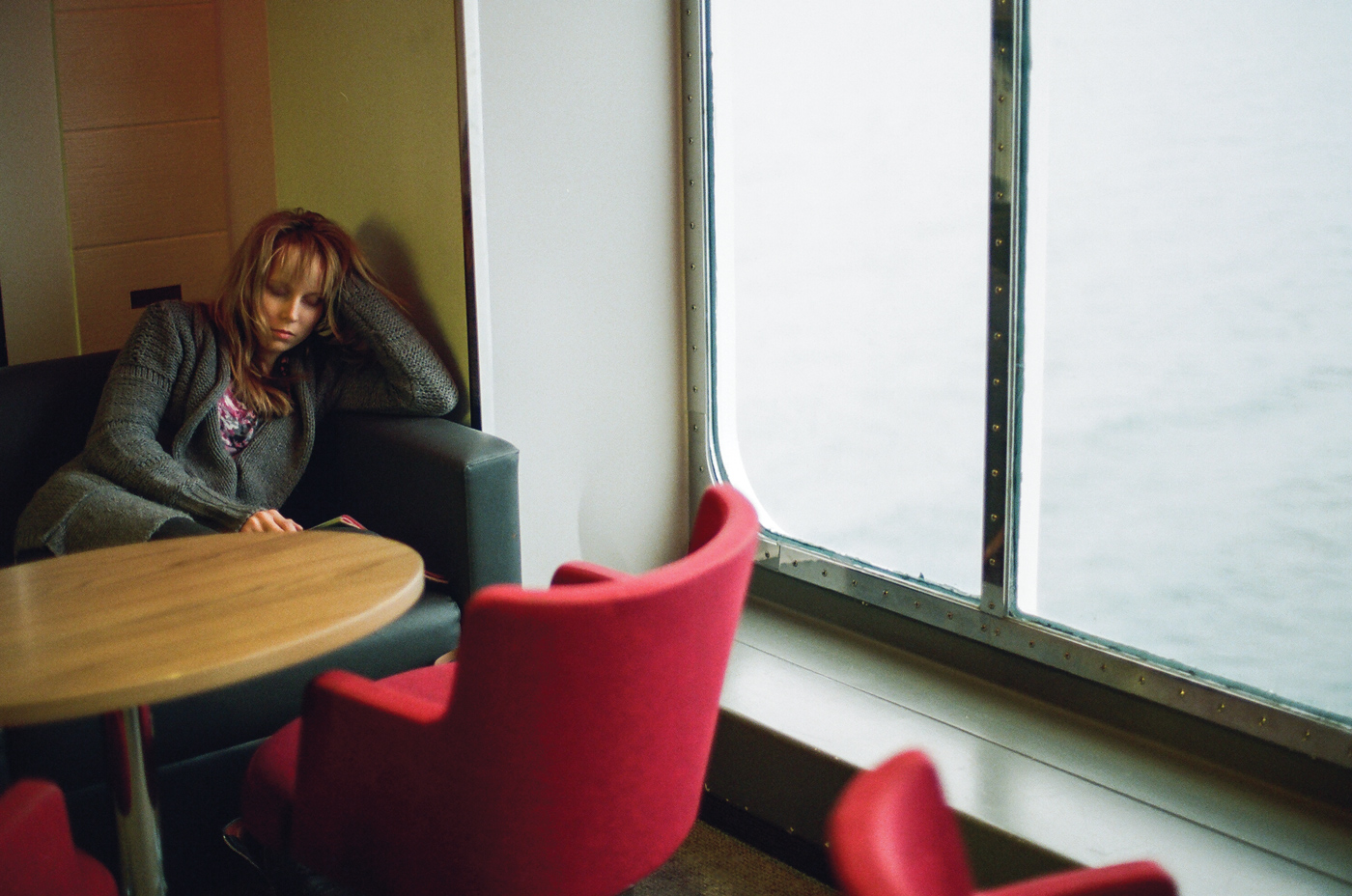
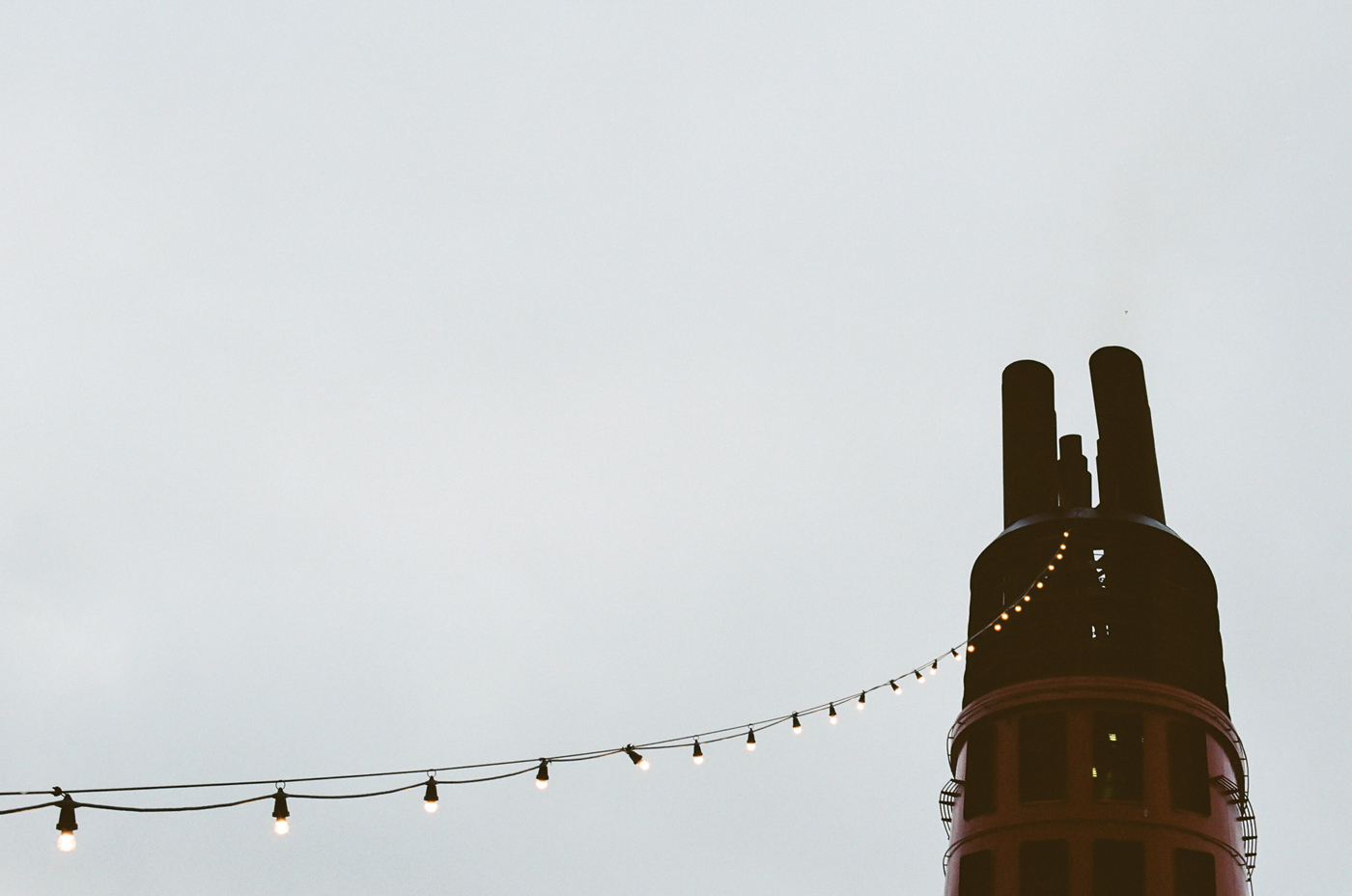
The 2019 project Amorella – A Floating City comprises two photographic series: a series of analogue photographs produced in 2018 using Leica and medium-format film aboard the internationally recognized ferry...
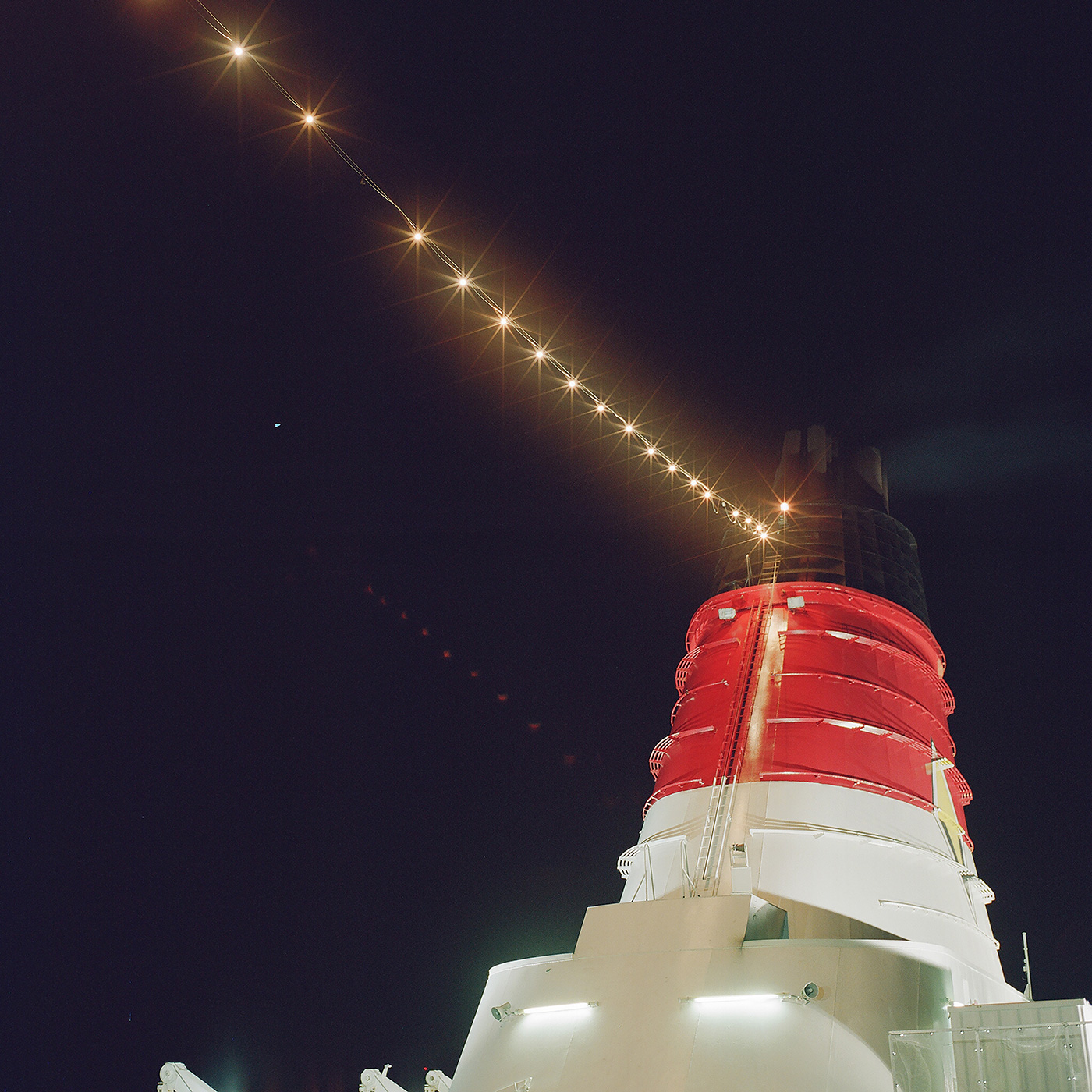
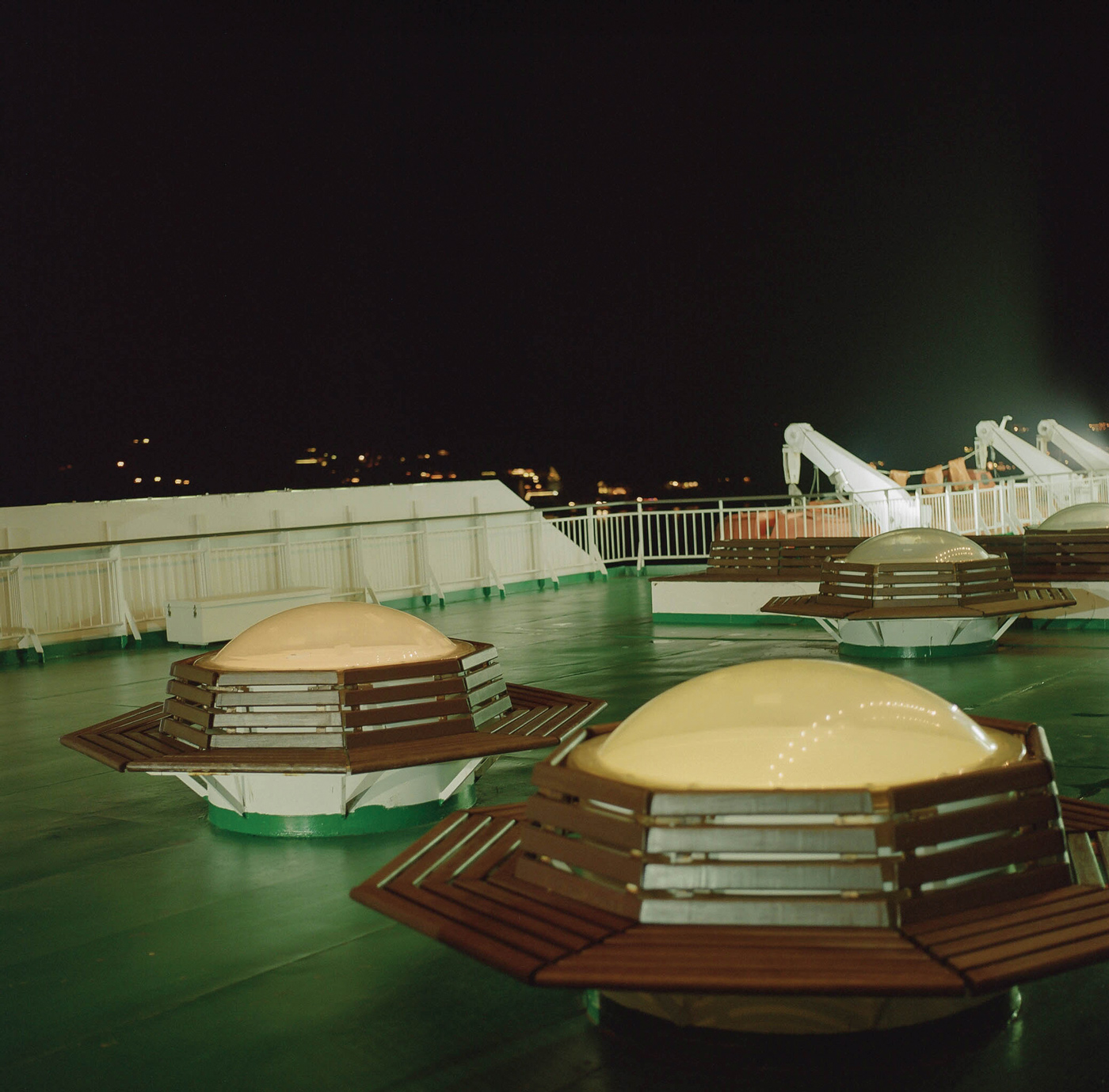
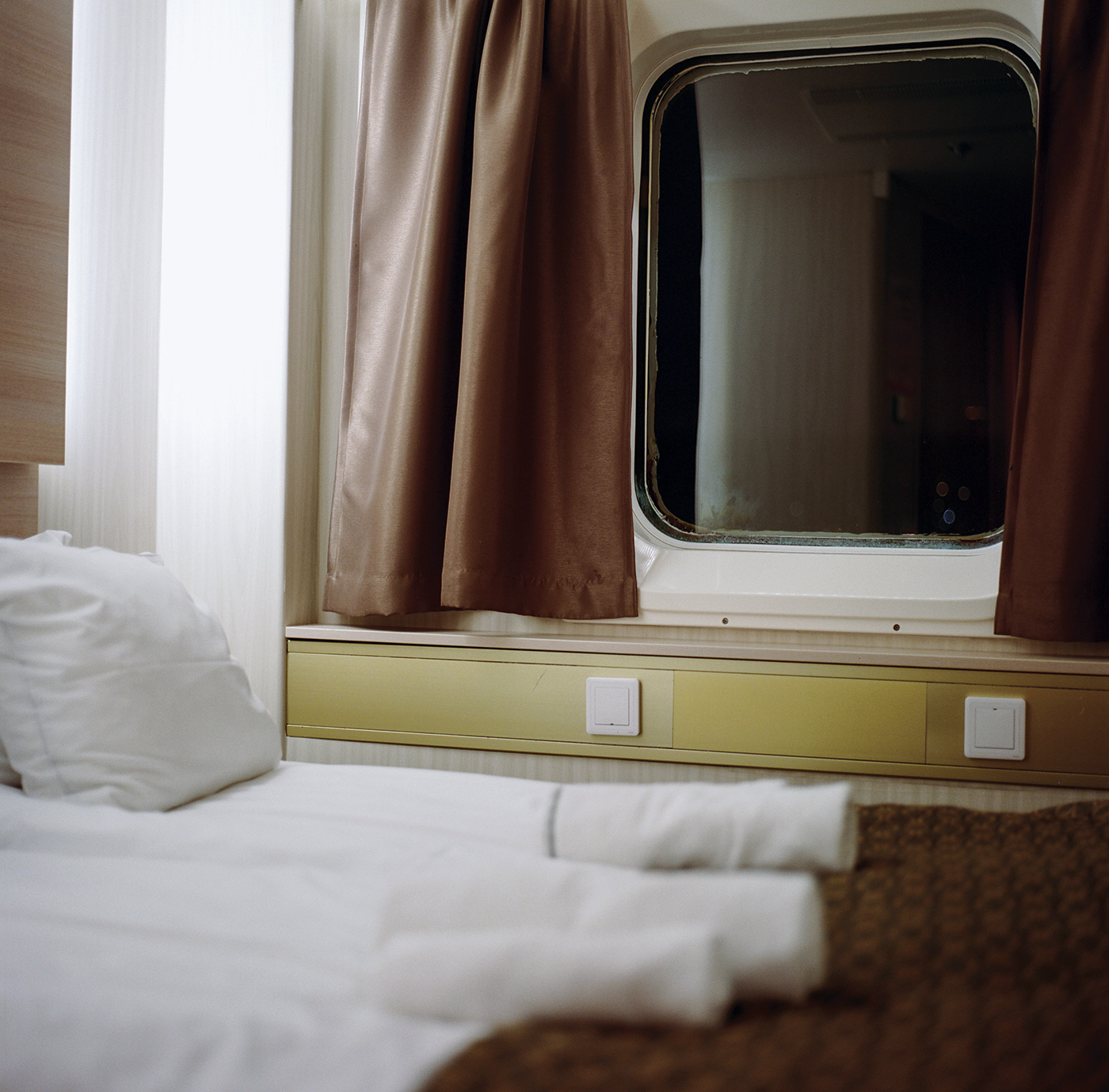
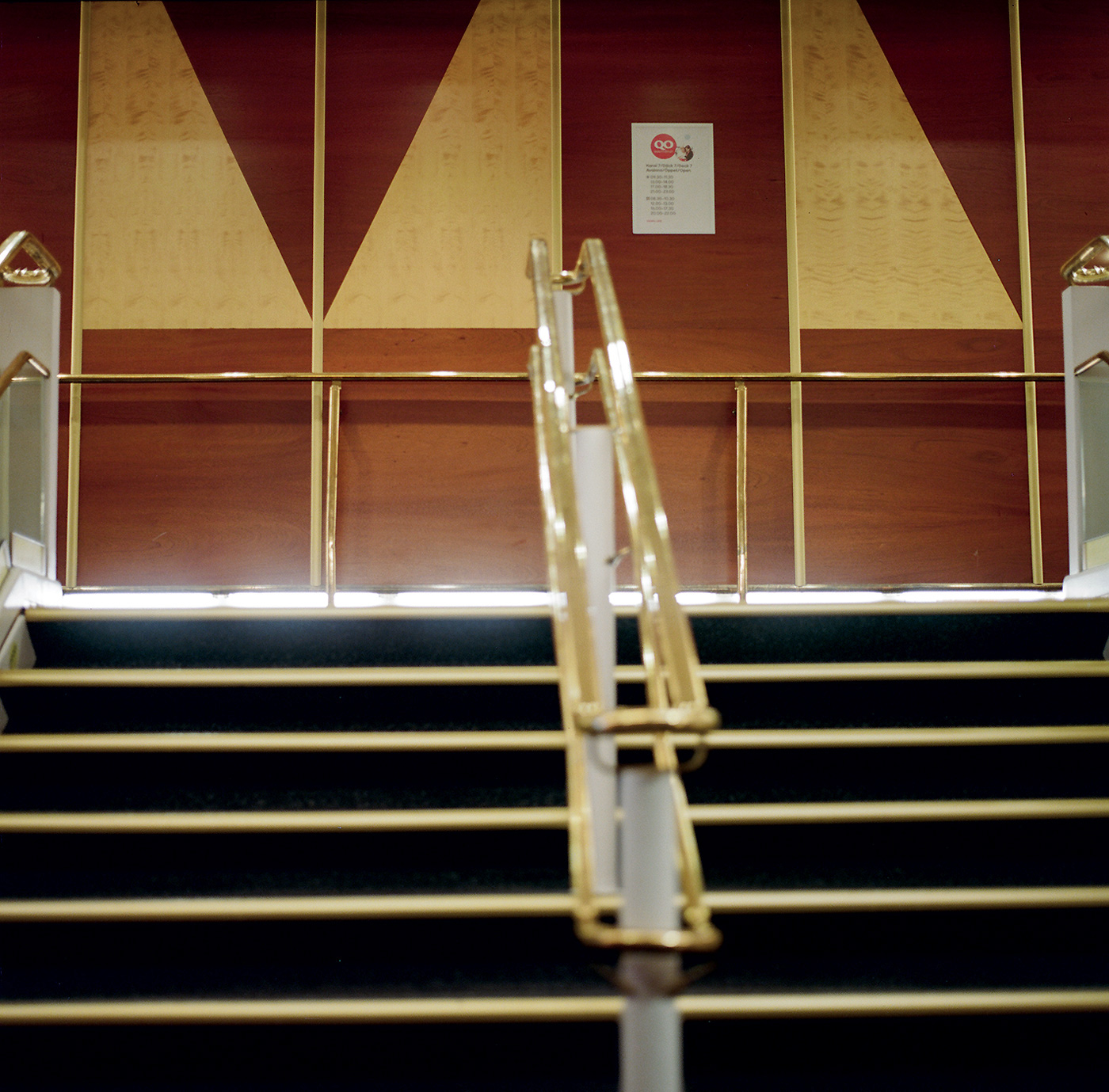
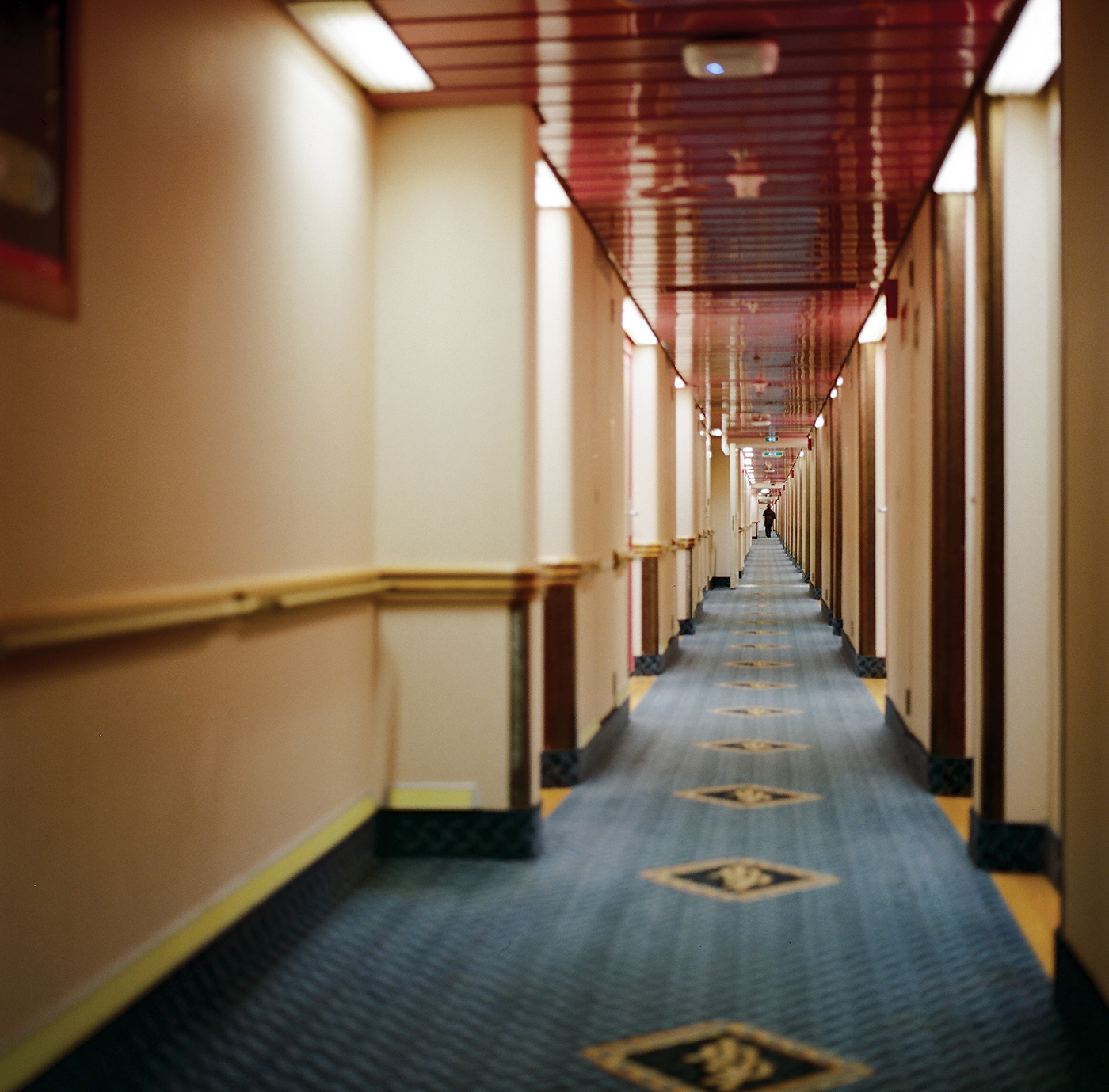
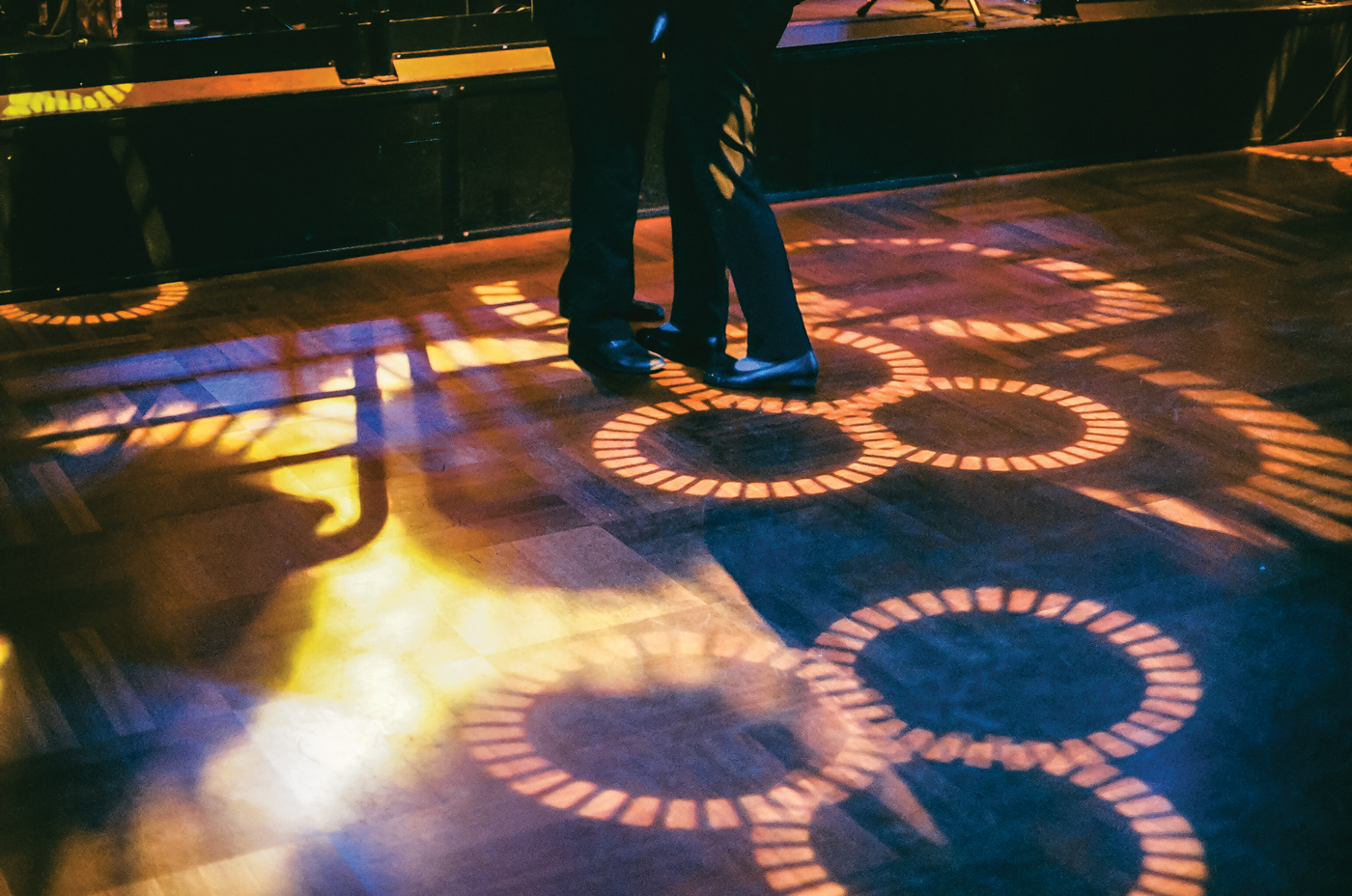
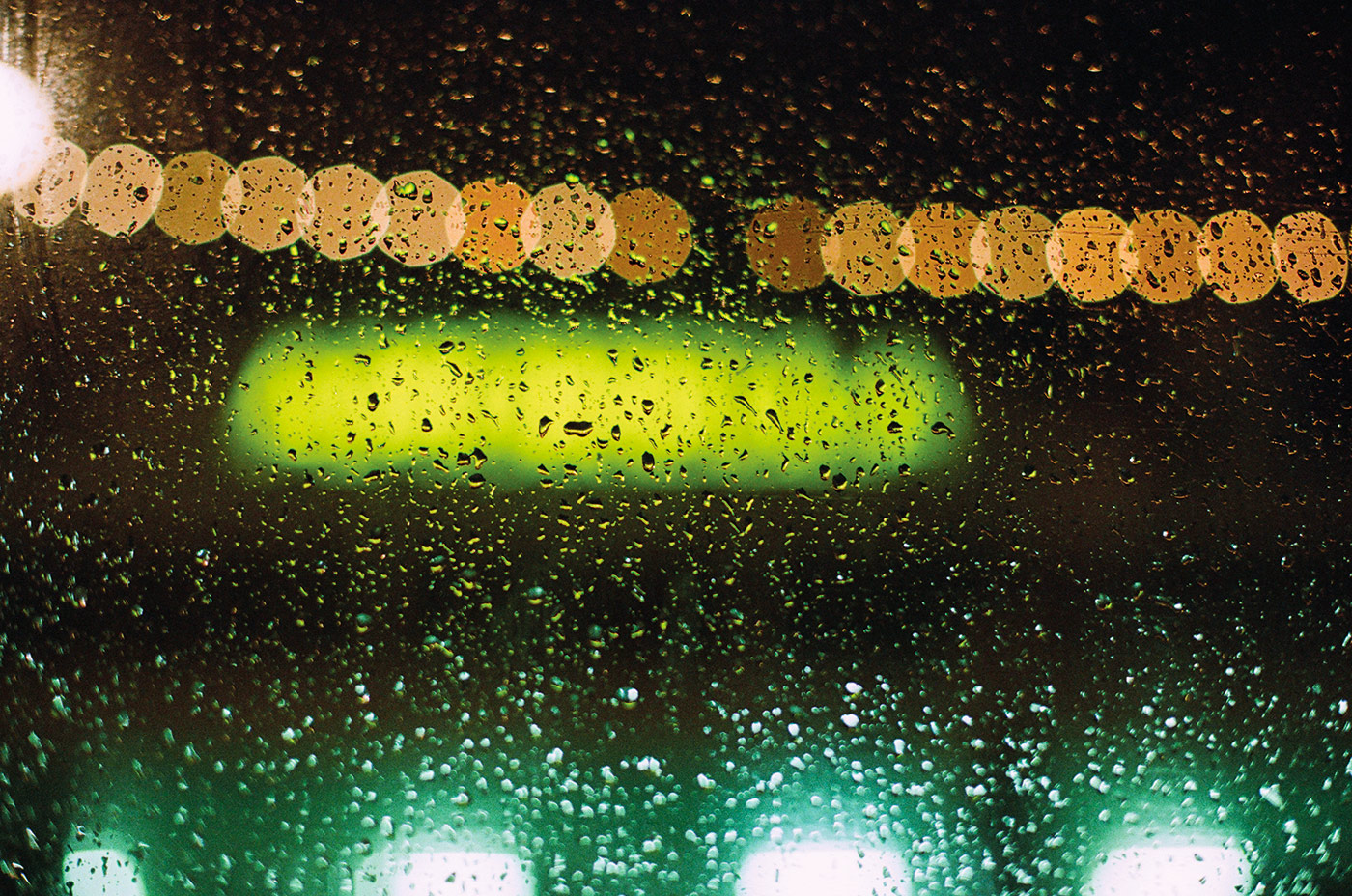
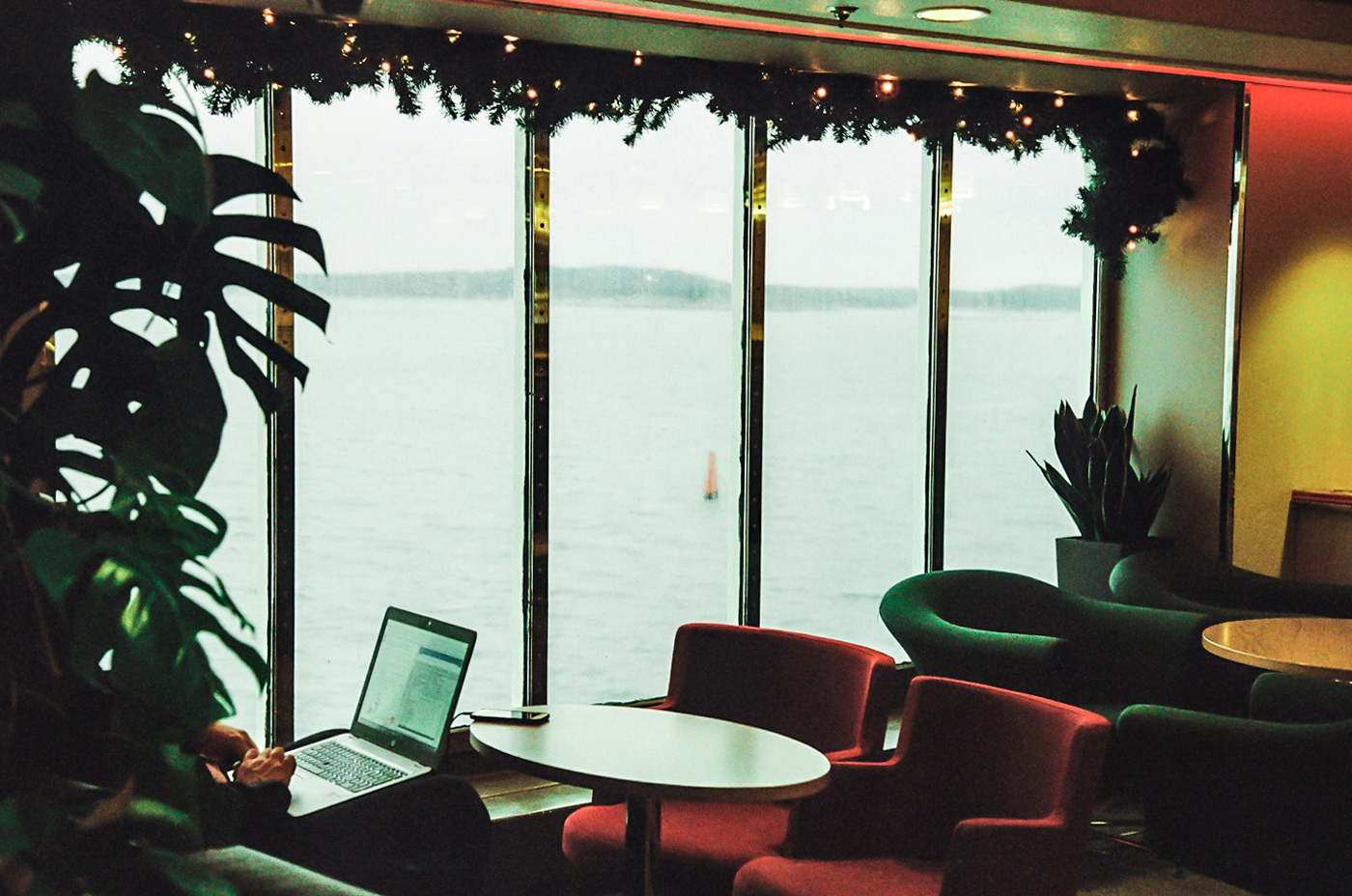
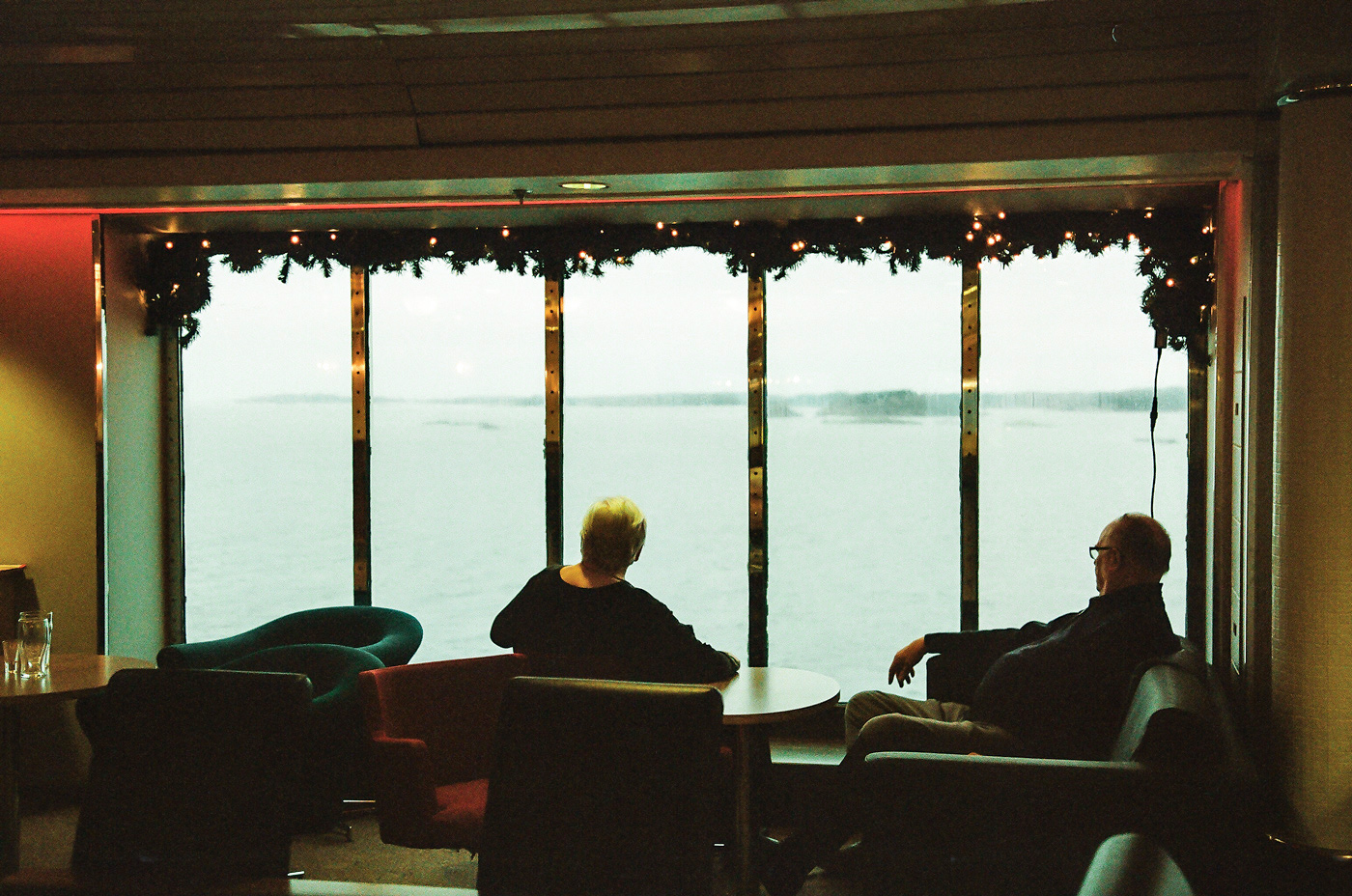
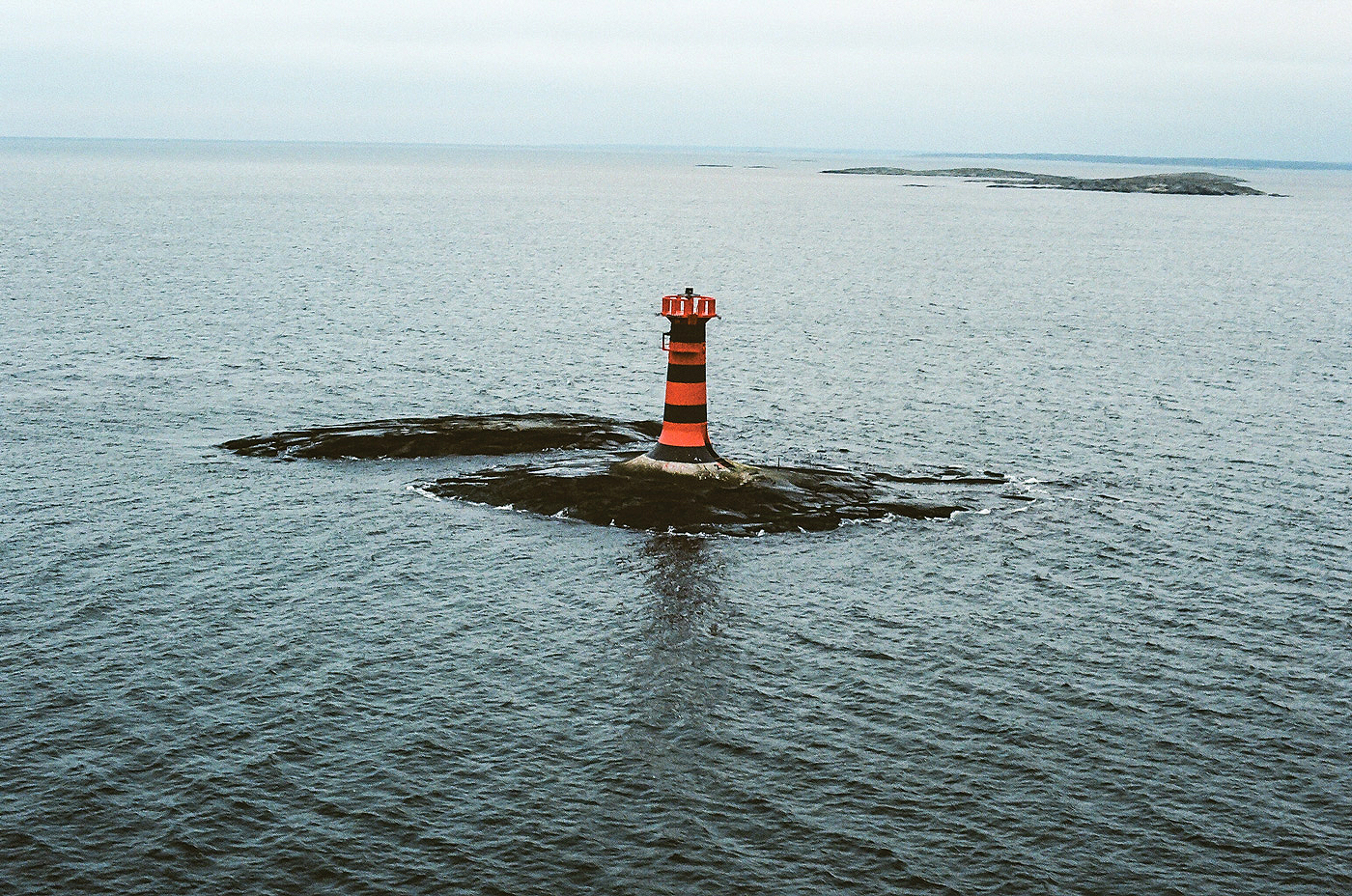
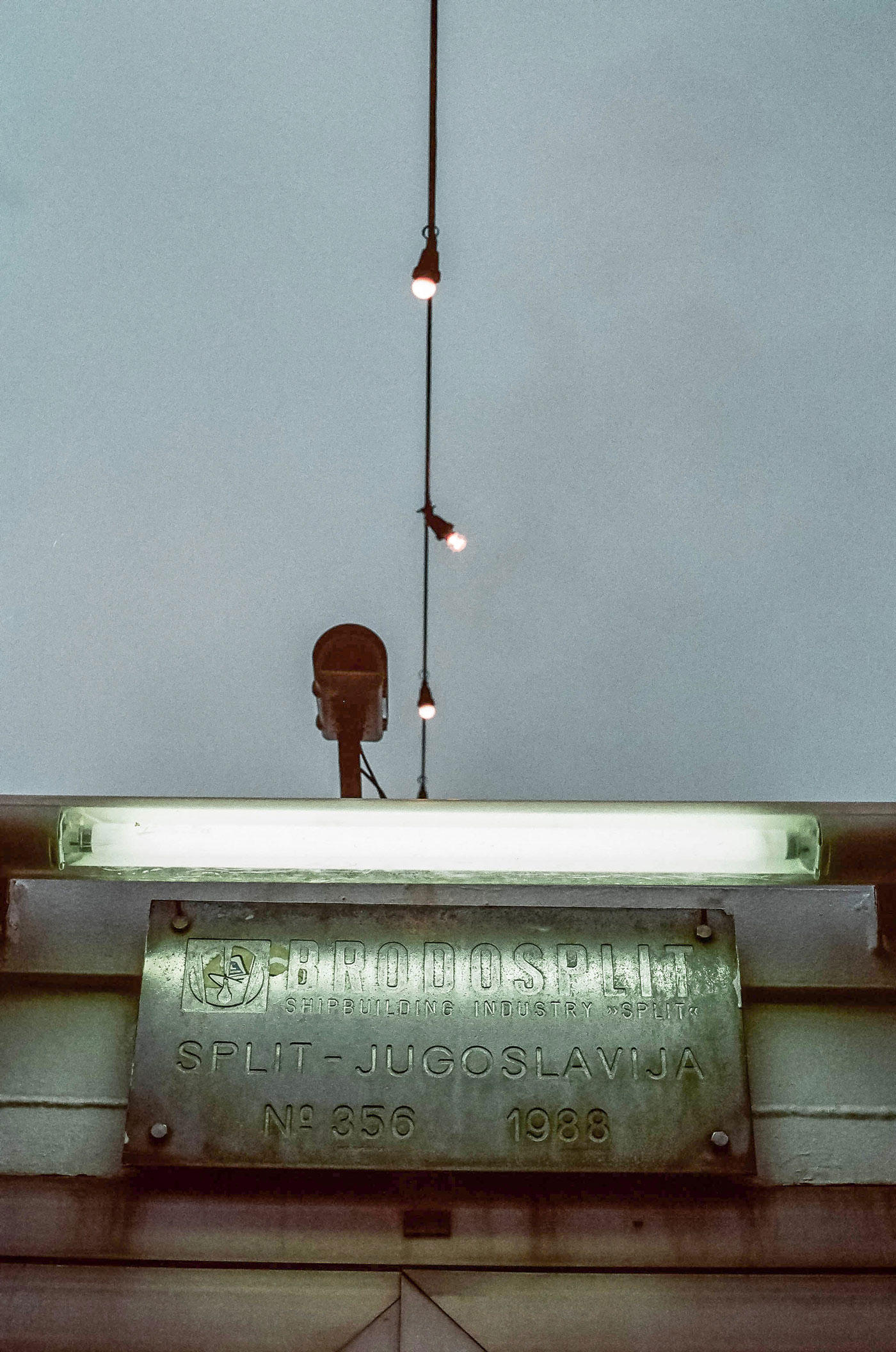
The 2019 project Amorella – A Floating City comprises two photographic series: a series of analogue photographs produced in 2018 using Leica and medium-format film aboard the internationally recognized ferry Amorella, owned by the Finnish company Viking Line. From its construction at the Split shipyard in 1988 until 2022, the vessel operated continuously on the Stockholm–Mariehamn–Turku route, symbolizing the height of the domestic shipbuilding industry; and a series of 33 digital photographs, printed on aluminium composite panels, accompanied by museological labels referencing scale models of passenger, cargo, military, and special-purpose ships constructed at the Brodosplit shipyard between 1937 and 2012. These models are currently inaccessible to the public and are stored in an informal shipyard museum.
During the twentieth century, Yugoslav shipbuilding was among the six largest globally, with the Split-based Brodosplit shipyard serving as its primary production facility and still occupying half of the city’s northern coastline. In recent decades, the construction of more than 450 vessels generated approximately 12,000 jobs in a city of only 200,000 inhabitants. This robust industrial base fostered the development of technological and scientific centers, universities, and national shipping companies, while sustaining and shaping the maritime identity of the local population.
Due to the global relocation of industry to more competitive eastern markets and restrictive agreements with the European Union, the privatised Brodosplit has gradually lost orders and state subsidies. Consequently, Split has rapidly transformed into a seasonal tourist destination, with its offerings now largely limited to its ancient palace, sun, and sea.
This work emerged from a desire to prevent the erasure of this significant industrial history and to revalue maritime heritage through contemporary cultural practices. Specifically, I propose the establishment of a contemporary, interdisciplinary, and spatially distributed Museum of the Sea, centred in the former Dalmacijavino factory building in the Port of Split. The primary aim of this institution would be developmental rather than memorial; it would function as a discursive platform and a catalyst for revitalising shipbuilding and reinforcing the city’s maritime identity.
Tito's Villa, 2017
Since 2000, I have used photography to document spatial conditions and transformations in Split associated with its (de)urbanisation. These processes mirror global trends in the exploitation and governance of urban...
Since 2000, I have used photography to document spatial conditions and transformations in Split associated with its (de)urbanisation. These processes mirror global trends in the exploitation and governance of urban environments. Through the use of analogue technology, I experience a sense of nostalgia—not for the historical lives of the buildings or their eras, but for the unfulfilled promises and expectations of society. This nostalgia relates to concepts of continuity of urban space that integrates work, culture, and leisure.
To address these fractured relationships with the city, my artistic projects frequently propose potential future public uses and revitalisations of neglected sites. These projects also encourage public engagement and dialogue.
I approach Villa Dalmacija by proposing its adaptive reuse, with a focus on cultural practices—specifically, a wide-ranging artistic residency. Close-up views of the interior of the former residence of the Yugoslav president Tito—his bedroom, dining room, and diplomatic salon—are immersed in the expansive green and blue serenity that characterises this part of the multiply protected landscape of Marjan Forest Park. The intention is to awaken an appetite for opening the complex to the public.
Further reading on Villa Dalmacija as an artistic residency is available here:
Read more
Koteks–Gripe Complex, 2017
"The capacity of visual arts to depict memory and time opens up exceptional possibilities for showing sedimentation of time in space. In this case, architecture becomes a platform for exploring...
"The capacity of visual arts to depict memory and time opens up exceptional possibilities for showing sedimentation of time in space. In this case, architecture becomes a platform for exploring the layers of history, yet in a way unburdened by scientific accuracy or the linear representation of time. Freedom of artistic approach offers the possibility of an extremely active reading of the past and its connection with the present. A large group of artworks that mediate various segments of the non-verbal history of architecture and explore the possibilities of its active interpretation in the contemporary social and political constellation opens with a series of analogue photographs titled Koteks-Gripe Sports and Shopping Complex by the Split-based artist Duška Boban. Her selection of a devastated sports and shopping centre as the subject of her photographic research stems from her ongoing critical rethinking of space through participatory projects with Kvart, an art collective from Split, and her own activism, focusing, among other things, on the neglected local architectural heritage. Boban’s critical approach is evident in her recent exhibition Split *** Three Stars, where she presented, besides the Koteks-Gripe Complex, those of Vila Dalmacija and the building of Dalmacijavino, adding information on their construction, current state of conservation, and various proposals for their revitalisation. However, on the formal level, Boban has activated the presented spaces in a very specific way. With her 'quiet', technically and aesthetically elaborate analogue photography, she has evoked the lost time of the buildings she photographs. The correspondence between the employed technique and some happier times seems to create an elusive archive in which modernity is manifested only in details such as worn-out materials, graffiti, and the like."
Jasminka Babić, from the exhibition foreword Architecture in Contemporary Art, Museum of Fine Arts, Split, 2017
Duška Boban is a visual artist based in Split, Croatia, working across photography, artistic research, and activism. Her art focuses on urban memory, Mediterranean modernist heritage, and social and environmental issues. She graduated from the Academy of Fine Arts in Zagreb and completed pre-Bologna postgraduate studies with her master’s thesis titled Public Space and Civic Participation: Activism and Cultural Practices in Split during the Last Decade at the Academy of Fine Arts and Design, University of Ljubljana, where she is currently attending the interdisciplinary doctoral programme.
In addition to her art, she has been active in education for many years, teaching photography and media at the School for Design, Graphics and Sustainable Construction, and leading workshops, including therapeutic photography programs, for people of different ages and backgrounds. Her projects often link art with civic participation and the right to the city. In 2011, she started the Initiative for Marjan to help protect Marjan Forest Park. She co-published the book Amorella – A Floating City (2019) with the Croatian Maritime Museum Split, exploring Split’s shipbuilding heritage as part of her wider research into urban life. From 2022 to 2025, she was a member of the Art Program Board of Gallery Zoja Dumengjić at the public hospital in Split. In 2024, she won the RADNIČKO competition and created the site-specific artwork Architexture for the Zagreb Public Open University. Her works are part of the Museum of Fine Arts Split’s collection.
Duška Boban is a member of the Croatian Association of Fine Artists (HULU) Split and KVART, the Association of Contemporary Art.
To learn more about her work, visit www.duskaboban.net.
- Duška Boban
- Ivana Pegan
- Glorija Lizde
- Petra Slobodnjak
- Karlo Čargonja
- Valentino Bilić Prcić
- Darija Jelinčić
- Ivan Gundić
- Nina Đurđević
- Luka Pešun
- Katarina Juričić
- Sanja Bistričić Srića
- Dea Botica
- Lana Stojićević
- Ana Vuko
- Ivan Buvinić
- Denis Butorac
- Ana Bilankov
- Darko Bavoljak
- Bojan Mrđenović
- Petra Mrša
- Hana Miletić
- Borko Vukosav
- Jelena Blagović
- Davor Konjikušić
- Domagoj Blažević
- SofijaSilvia
- Davor Sanvincenti
- Darije Petković
- Hrvoje Slovenc
- Marko Ercegović
- Jasenko Rasol
- Sandro Đukić
- Igor Kuduz
- Silvestar Kolbas
- Mirjana Vodopija
- Ivan Posavec
- Goran Trbuljak
- Josip Klarica
- Petar Dabac
- Ana Opalić
- Žarko Vijatović
- Boris Cvjetanović
- Sandra Vitaljić