Conversation with Brian Arnold, a researcher in Indonesian history and photography, by Sara Simić.
Photographic Practice in Indonesia: A Complex History of Media Culture and Social Change – An Interview with Brian Arnold
March 9, 2026
Brian Arnold, a researcher of Indonesian history and photography, published History of Photography in Indonesia: From the Colonial Era to the Digital Age (2022), a unique and comprehensive study of the history of photography in Indonesia. Although photography has been present in colonial Indonesia since the 1840s, it was long marginalized both as a legitimate subject of research and as an artistic medium. In this publication, Arnold sets out to uncover and examine the historical, socio-political, and cultural contexts of photography in Indonesia, as well as within the broader regional framework of Southeast Asia. On the occasion of his visit to Zagreb as a guest lecturer at the Academy of Dramatic Art, and in the context of launching a new research project, we spoke with Brian Arnold about his research interests and methodological approaches, as well as the importance of transnational academic collaboration and networking.
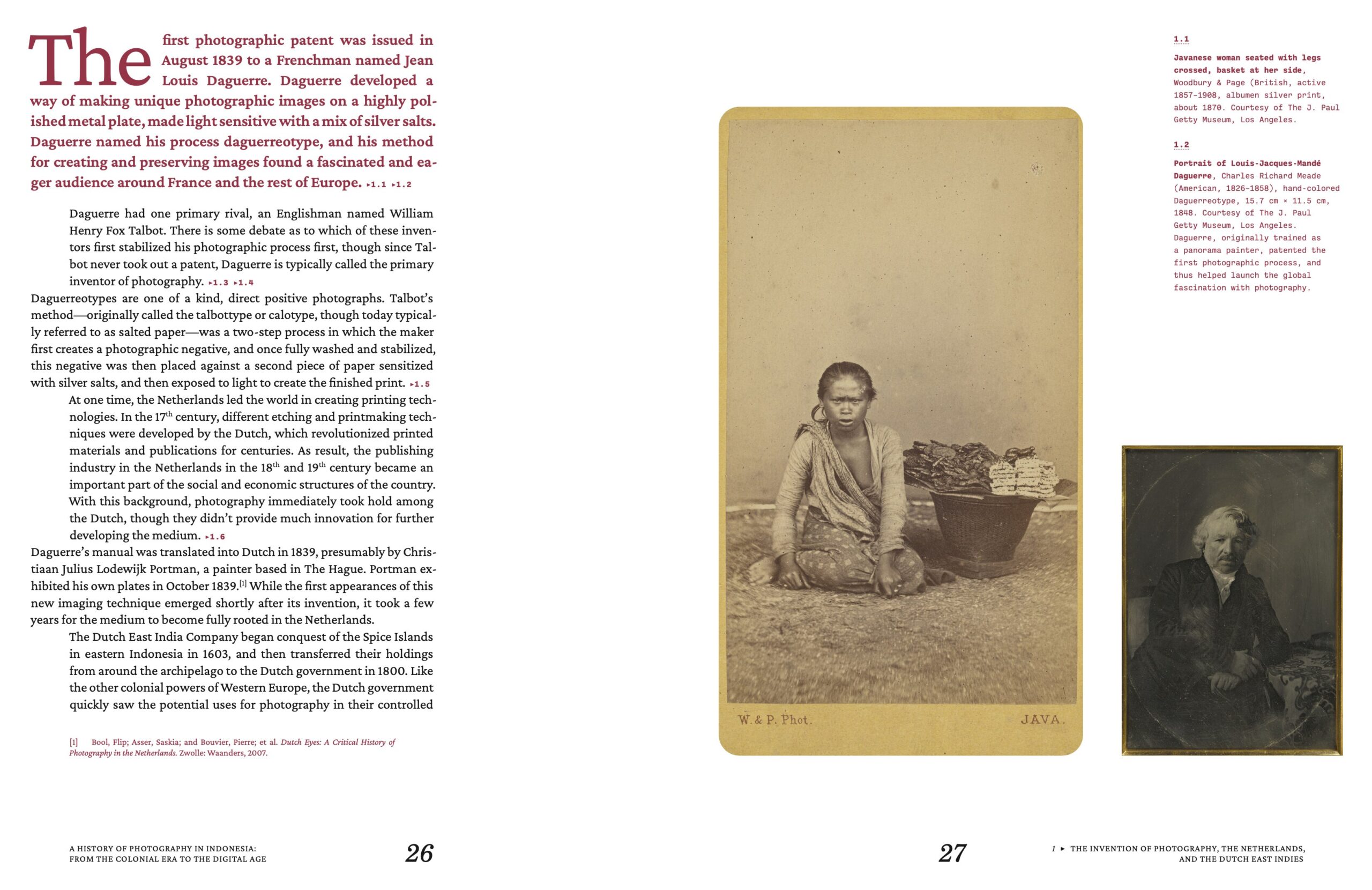
Brian Arnold, “History of Photography in Indonesia: From the Colonial Era to the Digital Age” (2022), courtesy of: Brian Arnold
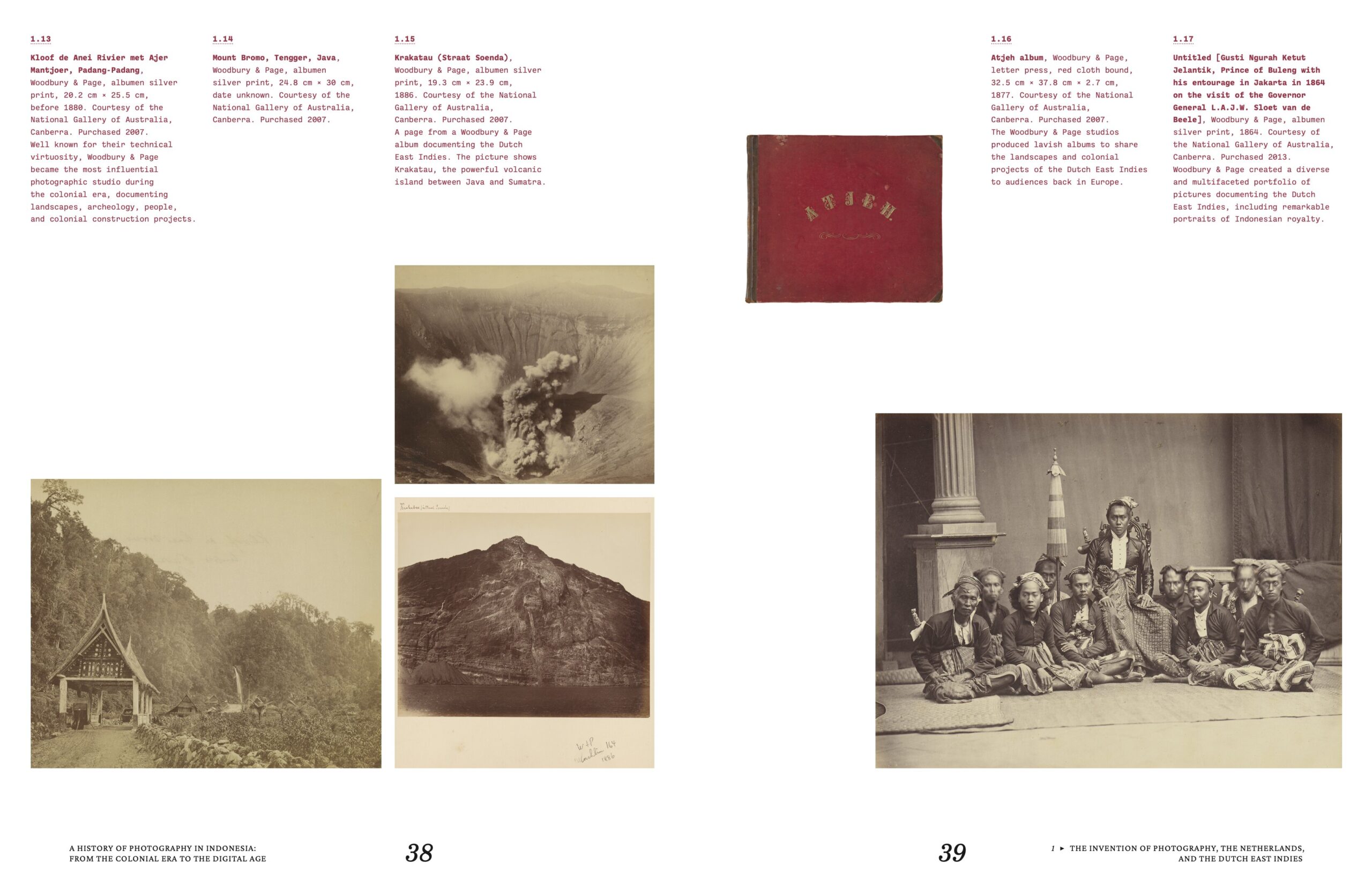
Brian Arnold, “History of Photography in Indonesia: From the Colonial Era to the Digital Age” (2022), courtesy of: Brian Arnold
Could you tell us about your first encounters with Indonesian photography? How and when did you come into contact with it, and in what context?
My interest in Indonesian photography began in 2011, when I received a grant to research photographic education in Indonesia. During that period, I established contact with ISI (Indonesia Institute of the Arts), one of the country’s leading arts academies. It was then that I realized how recent a phenomenon photographic education in Indonesia actually is – the first graduate photography programs were launched only in the mid-1990s, meaning that at the time there had been just 10 to 15 years of formally structured education in the field.
During my stay, I met some of the first practitioners with whom I would later develop ongoing collaborations, especially members of the MES 56 collective from Yogyakarta. They are a pioneering group of photographers who were among the first to exhibit within Indonesia’s institutional art context. I also began working with the Antara Gallery of Photojournalism in Jakarta, which was, at the time, the country’s longest-running photography organization. Antara operates within the national news agency – comparable to international services such as Reuters or the BBC – and focuses on the Indonesian context. Founded with the purpose of training a new generation of photojournalists, it gradually evolved into a photographic laboratory, an exhibition space, and an archive. Unfortunately, the organization was forced to close during the pandemic. From 1988/1989 to 2020, it was the only photographic archive and exhibition venue of its kind in Indonesia. My research developed gradually and organically from these initial contacts – meeting the MES 56 collective, collaborating with the Antara Gallery, and the professional network that grew out of those relationships.

Brian Arnold, “History of Photography in Indonesia: From the Colonial Era to the Digital Age” (2022), courtesy of: Brian Arnold

Brian Arnold, “History of Photography in Indonesia: From the Colonial Era to the Digital Age” (2022), courtesy of: Brian Arnold
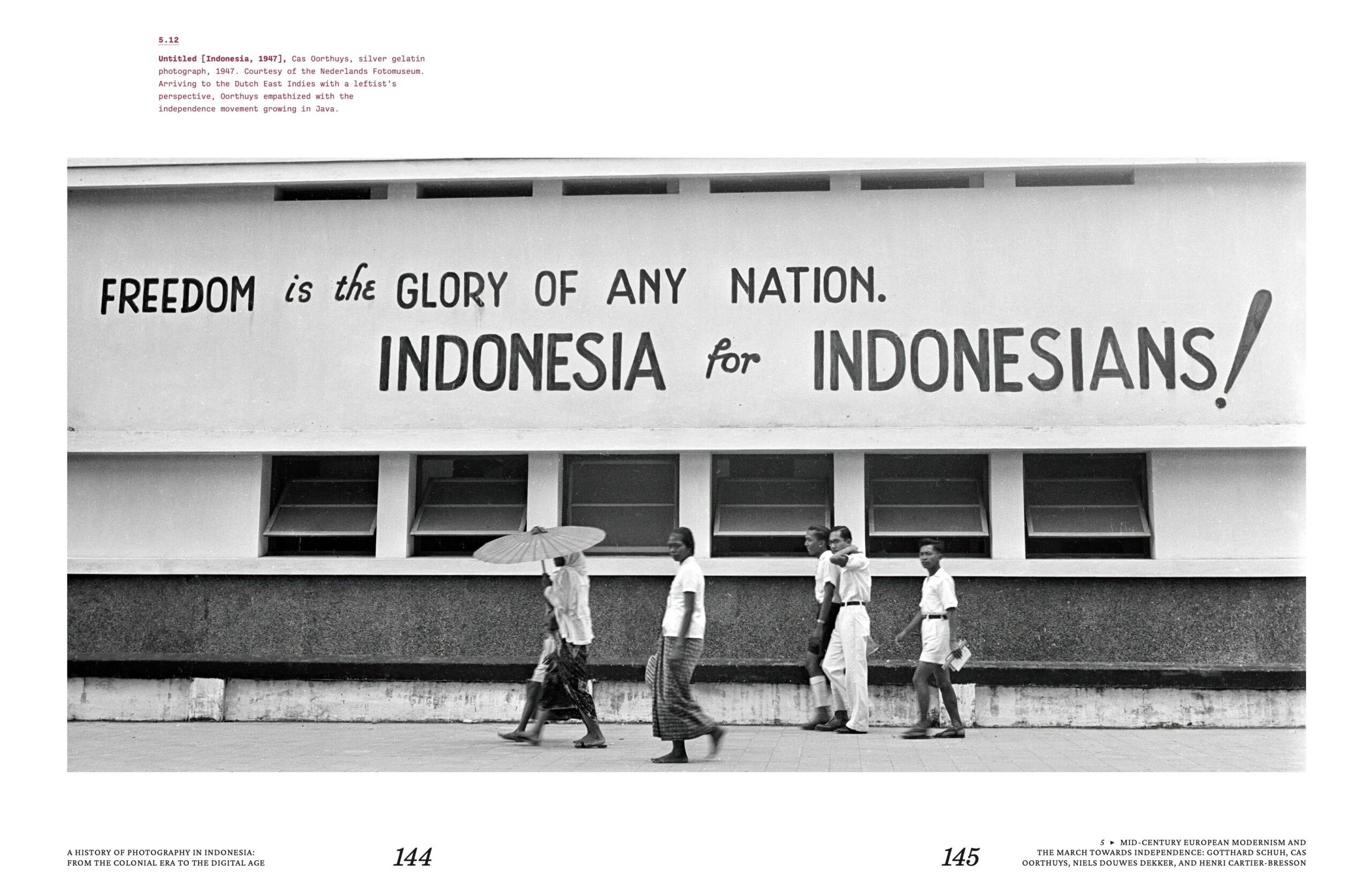
Brian Arnold, “History of Photography in Indonesia: From the Colonial Era to the Digital Age” (2022), courtesy of: Brian Arnold
What drew you specifically to Indonesia? Was it a chance choice, or the result of a deeper personal and professional connection to the country?
I’ve had a long-standing connection with Indonesia. As an undergraduate, I studied literature as my main field, with ethnomusicology as a minor. I first traveled to Indonesia in 1992 to study Balinese classical music, and from late 1992 to early 1993 I continued, intermittently, to study and perform Balinese and Javanese classical music. Since then, Indonesia has remained a constant in my research career. When I began focusing more seriously on photography and enrolled in a master’s program, I set my Indonesia-related research aside in order to concentrate on becoming more actively involved in the U.S. art market, developing my teaching skills, and building my own artistic practice. That period lasted roughly from 1999 to 2011.
In 2011, I began collaborating with Cornell University’s Southeast Asia Program, one of the leading centers for the study of that region. Around the same time, I became actively involved again in performing gamelan, the traditional music of Bali and Java, and found myself surrounded by researchers and artists with strong interdisciplinary interests. During that period, I was often asked about the connection between music and photography. For me, that relationship was intuitive, but it was only within the interdisciplinary academic setting that I began to think of the two practices in dialogue with one another.
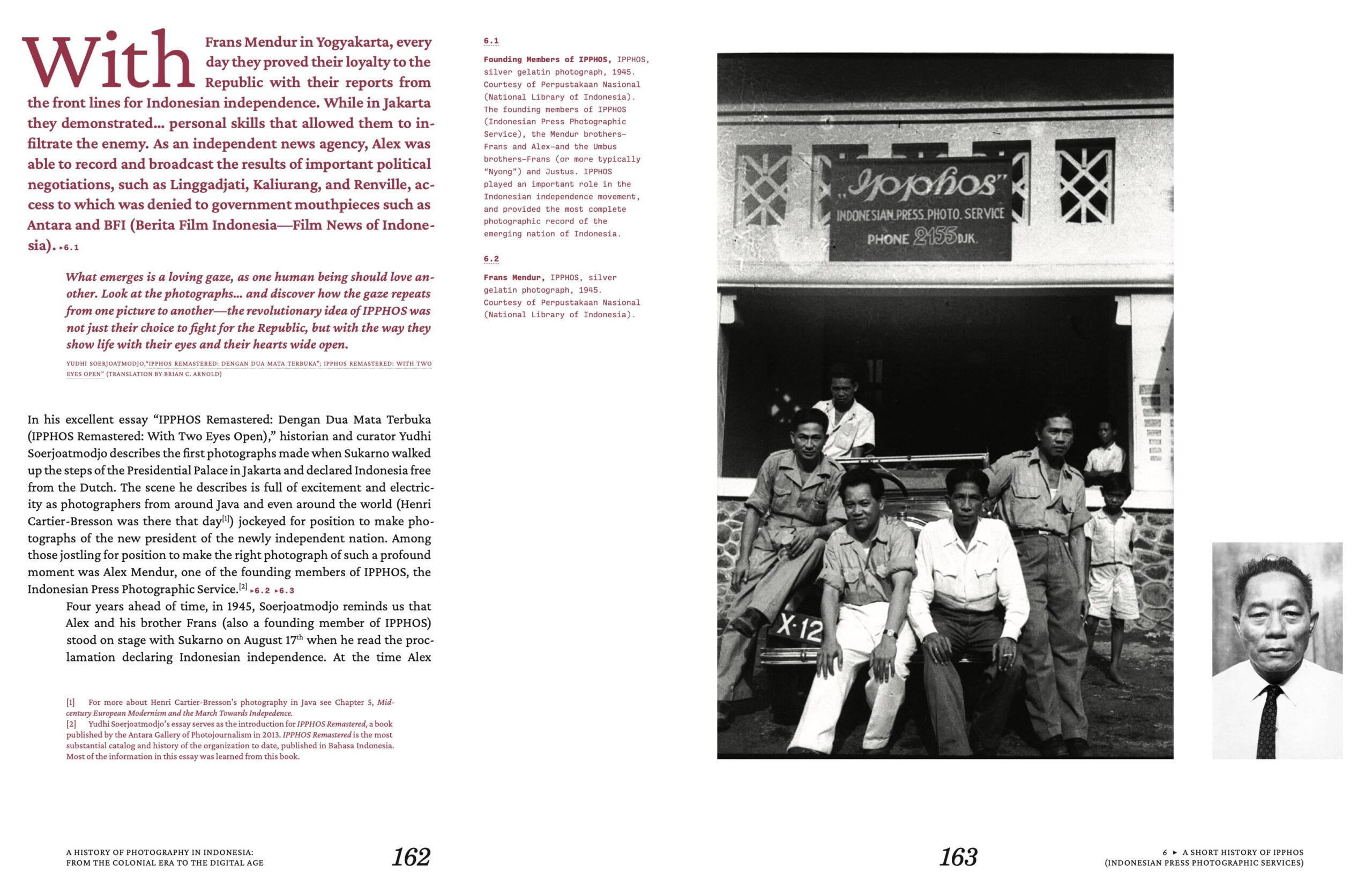
Brian Arnold, “History of Photography in Indonesia: From the Colonial Era to the Digital Age” (2022), courtesy of: Brian Arnold

IPPHOS (Indonesian Press Photographic Services), courtesy of: Brian Arnold
What did the early stages of photographic practice in Indonesia look like? What was its primary function as a medium?
Indonesia was under Dutch colonial rule for centuries, and the Dutch were among the first in the colonial context to systematically employ professional photographers to document their missions and the progress of infrastructure and other projects. The earliest photographic records in Indonesia date back to the 1840s, when daguerreotypists were sent there. At the time, photography served primarily as a tool of propaganda – a means of presenting colonial activities to audiences in Europe. As technology advanced and the medium became more widely accessible, photography gradually took on new functions. During the Second World War, a major photojournalism agency, IPPHOS (Indonesian Press Photographic Services), operated in Jakarta, documenting the period of Japanese occupation and the struggle for independence. It was a group of Indonesian photographers who played a crucial role in capturing the formative moments in the nation’s history. After the country gained independence, photography came to be viewed with suspicion in some circles, in part because of its association with the colonial apparatus. Indonesia’s first president, Sukarno, took a critical stance toward Western media influences and, for example, banned the screening of European and American films. Photojournalism was long marginalized and undervalued, even though it was essential to the functioning of the press. A major shift took place in the early to mid-1990s with the launch of the first undergraduate photography degree programs on Java, including those at Trisakti University in Jakarta, Pasundan University in Bandung, and the Indonesian Institute of the Arts (ISI) in Yogyakarta. Some of the first graduates of ISI Yogyakarta, including members of the MES 56 collective, played a key role in promoting photography within the contemporary art scene.
However, broader institutional and public recognition of photography did not happen until the early 2000s. In 2014, I spent an extended period of time in Indonesia teaching photography, giving lectures, and conducting research for my book. At that time, photography education was still relatively limited – available at a handful of larger institutions, but rarely in the form of integral, systematically developed degree programs. Over the past decade, the situation has changed significantly, especially under the influence of social media and the emergence of new media.

Courtesy of: Brian Arnold
Your most recent book, History of Photography in Indonesia (2022), covers nearly a century of photography in Indonesia, its varied uses, and the socio-historical contexts in which it has operated. Could you briefly describe your research process in preparing and writing the book?
The research, preparation, and search for the right publisher took about ten years, and involved numerous trips to Indonesia as well as a sustained effort to apply for residency programs and research travel grants. Although my initial connection to Indonesia was through music, I soon developed a deeper interest in photography, which grew into a long-term research commitment. Collaborations with local research and arts institutions gave me invaluable access to a network of local experts, as well as archives, books, and other sources that proved essential to the book’s development. Through collaborations with institutions such as Pasundan University and Trisakti University, I began the theoretical research that became the foundation for the work that followed. Since the largest photographic and historical collections, especially from the colonial period, are held in the Netherlands, I spent a significant amount of time researching the archives and sources located there. After an in-depth study of Indonesia’s colonial history, I turned to the modern and contemporary photographic scene, seeking to understand the medium’s evolution and its transformation over the decades. In that process, I met many former and current members of key artistic collectives, not only from Indonesia but from across Southeast Asia more broadly, where collaboration among artists is particularly strong. These collectives share many historical and contemporary features, as well as common trajectories in the development of photographic thinking.
One of the key moments in the research process was developing a deeper understanding of how perceptions of photography as a medium have shifted over time, and how it moved from an instrument of colonial control and propaganda to a tool for social documentation, and ultimately to a form of artistic expression. This trajectory, closely tied to the country’s socio-political transformations, is central to analyzing photography as a medium in the Indonesian context.
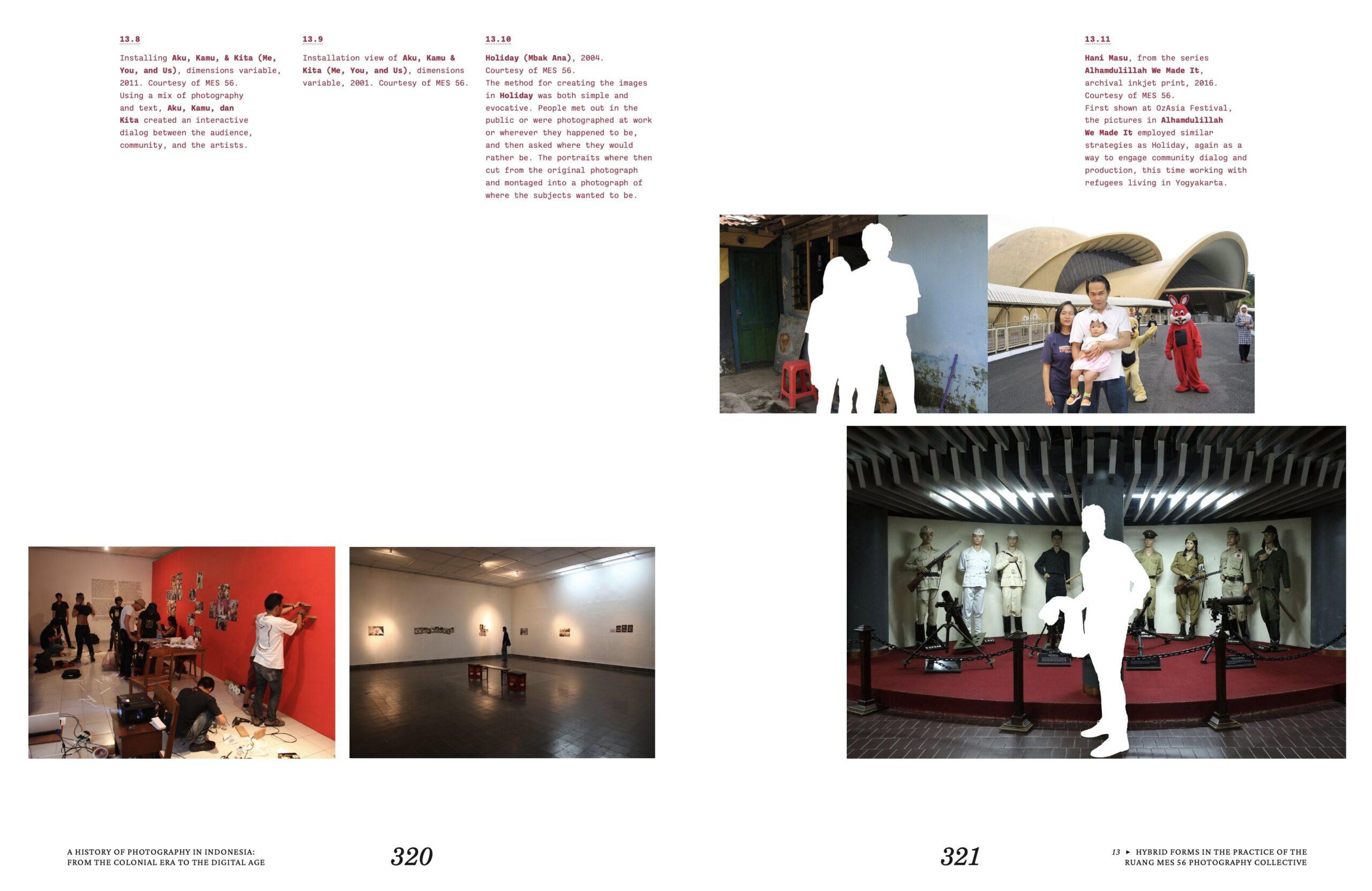
Brian Arnold, “History of Photography in Indonesia: From the Colonial Era to the Digital Age” (2022), courtesy of: Brian Arnold

Brian Arnold, “History of Photography in Indonesia: From the Colonial Era to the Digital Age” (2022), courtesy of: Brian Arnold
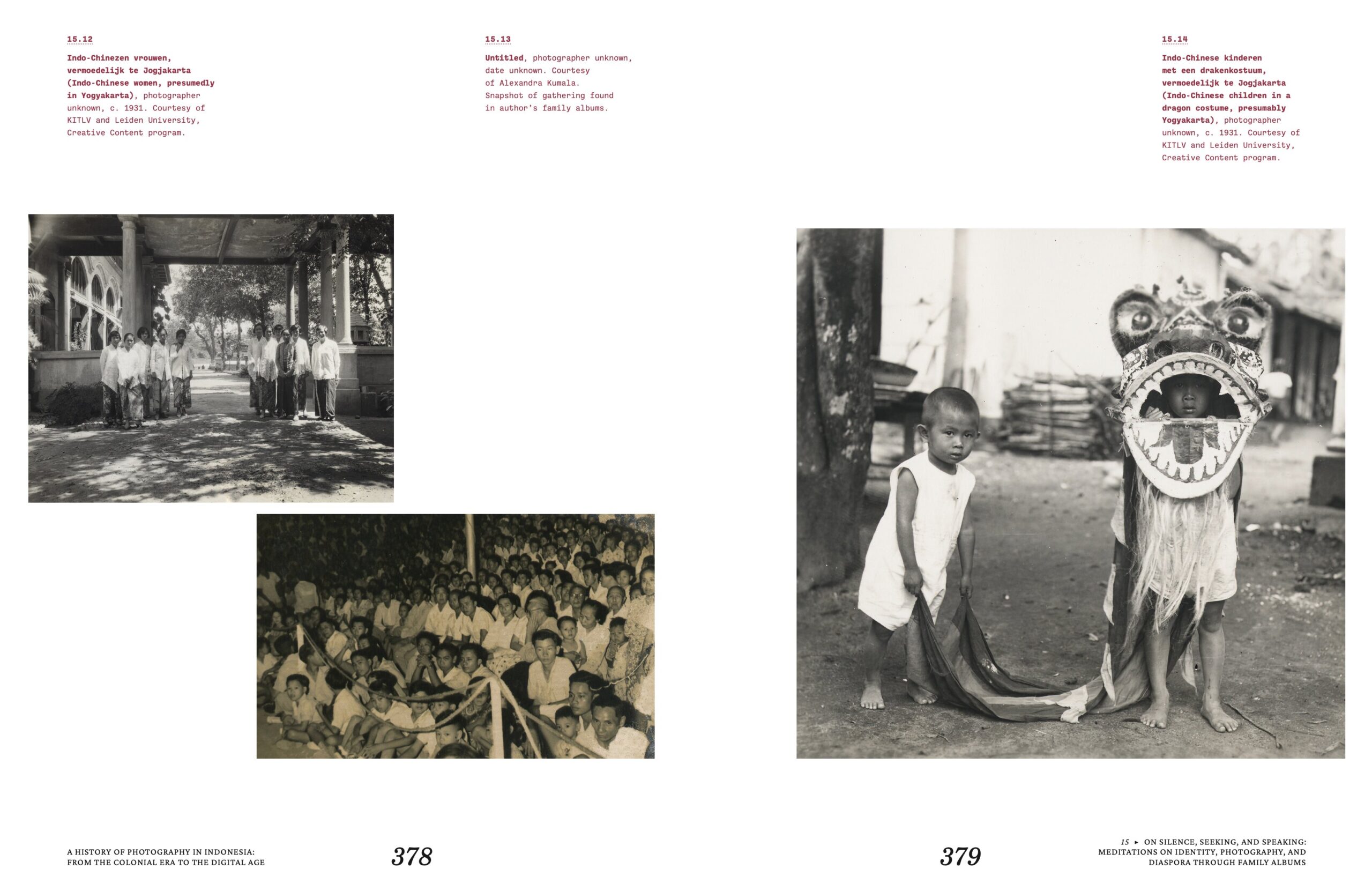
Brian Arnold, “History of Photography in Indonesia: From the Colonial Era to the Digital Age” (2022), courtesy of: Brian Arnold
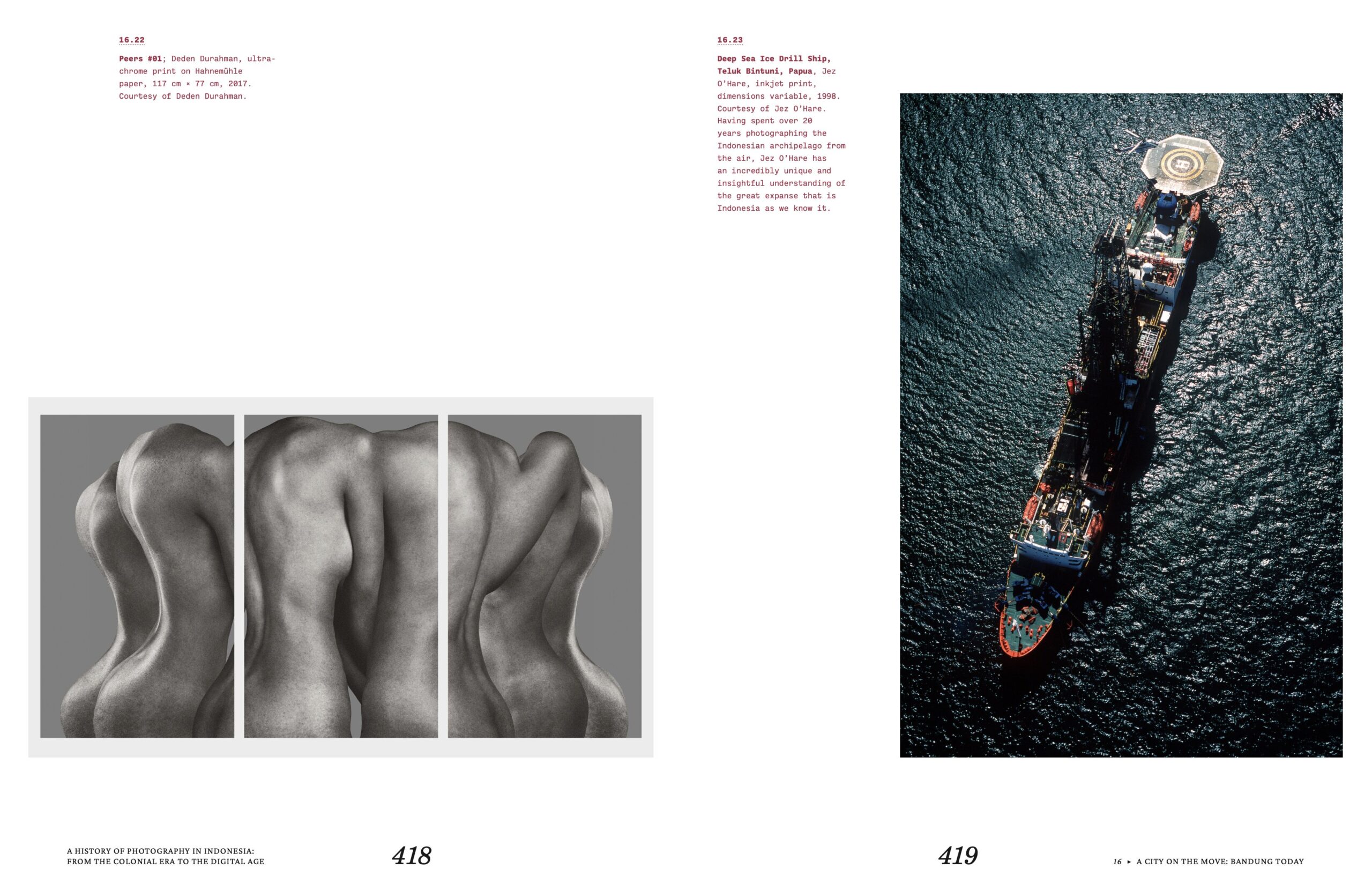
Brian Arnold, “History of Photography in Indonesia: From the Colonial Era to the Digital Age” (2022), courtesy of: Brian Arnold
How would you describe the structure and orientation of photographic education in Indonesia today?
Photographic education varies significantly from one institution to another, as it does elsewhere. Two years ago, I organized an exhibition collaboration between the school in New York where I teach and the Indonesia Institute of the Arts in Yogyakarta, featuring student works in our gallery. In my experience, many programs place an emphasis on professional viability and preparing students for commercial work. By contrast, some of the early figures, especially the MES 56 collective, took a critical and experimental approach and actively sought to expand the understanding of photography as an artistic medium.
Overall, the structure and quality of education depend heavily on the institutional context and the program leadership. It’s also clear that conditions have continued to change since the period when I was more directly involved, particularly in relation to the rapid growth of digital platforms and social media.