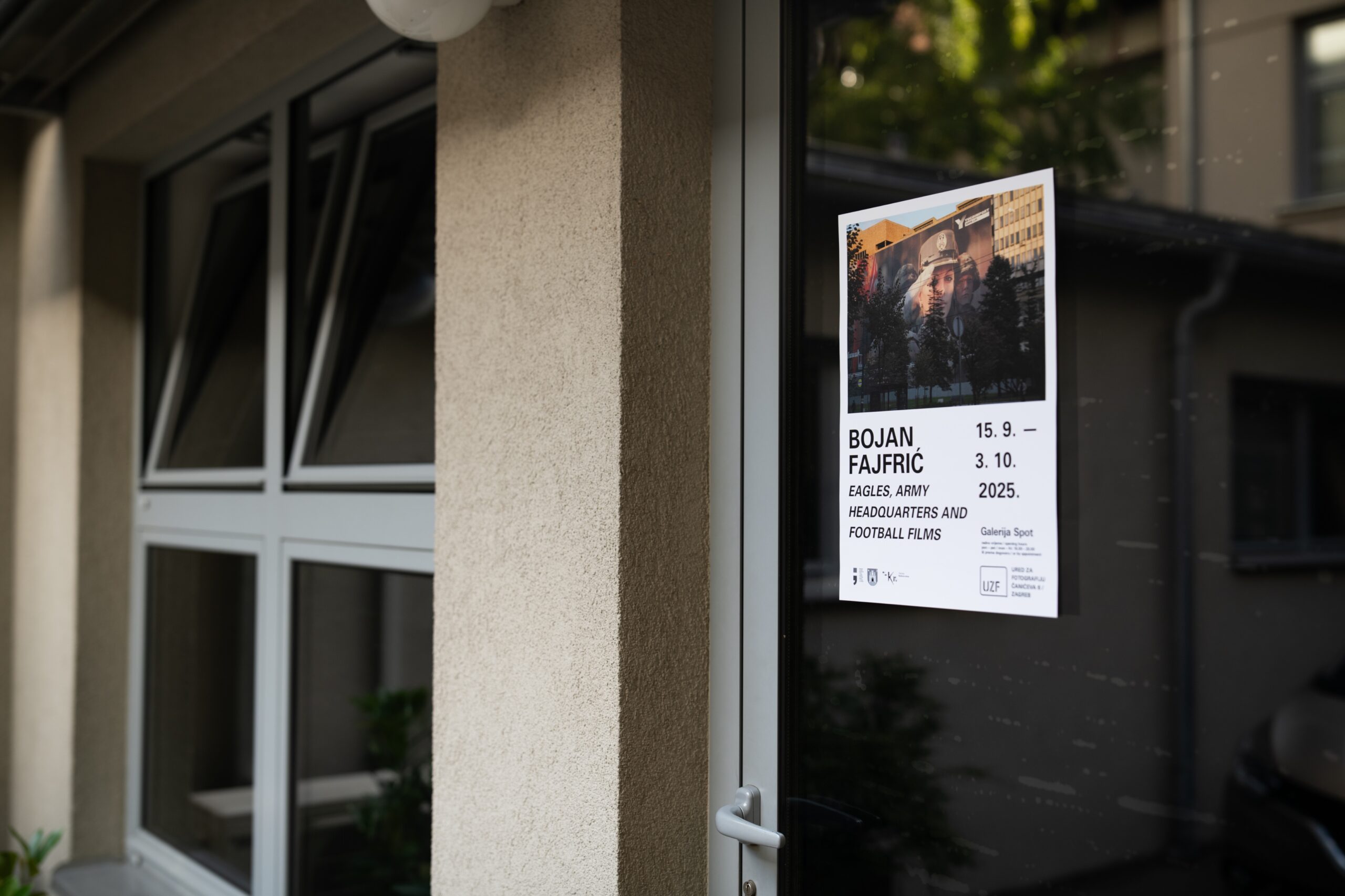
September 15th – October 3rd, 2025


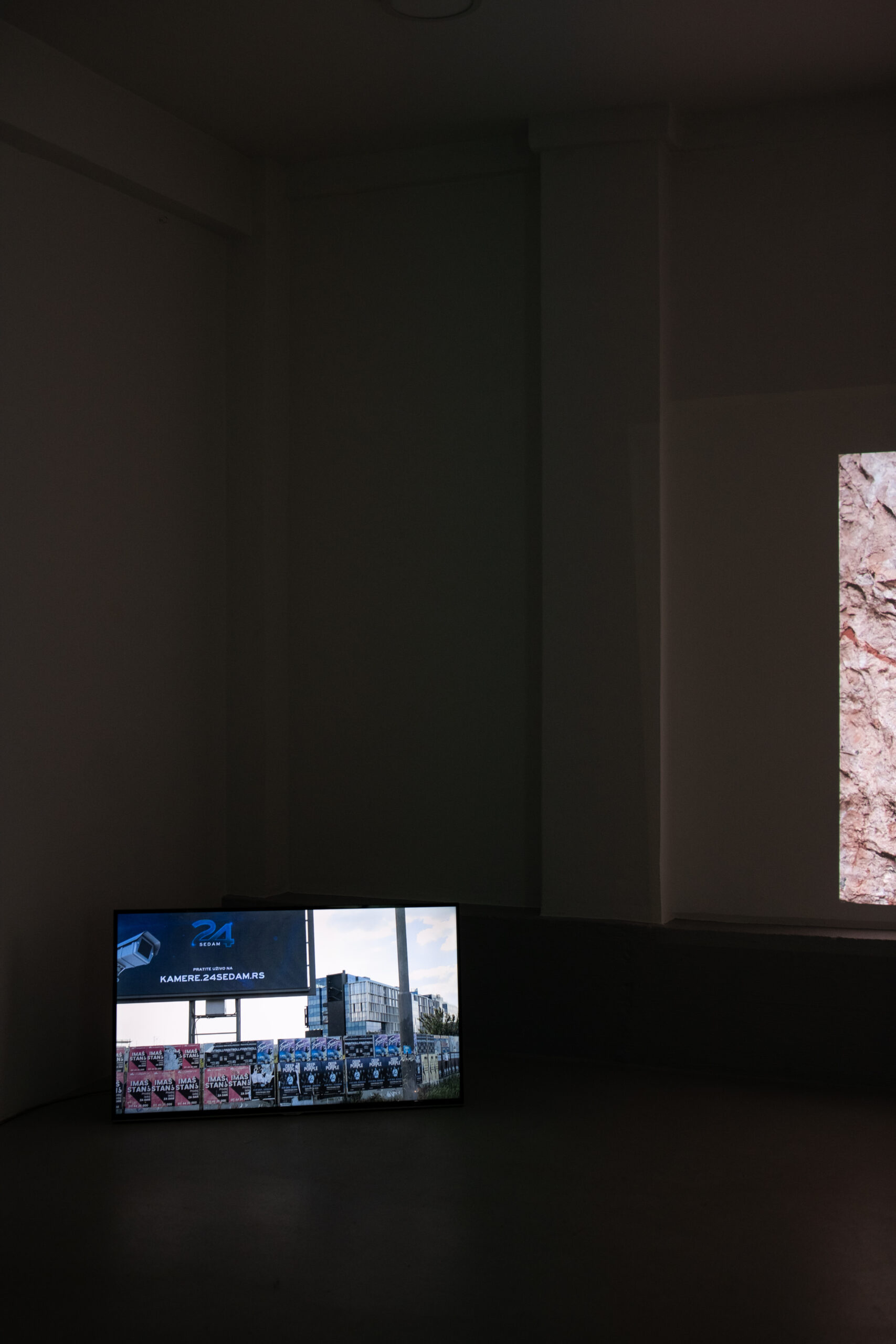

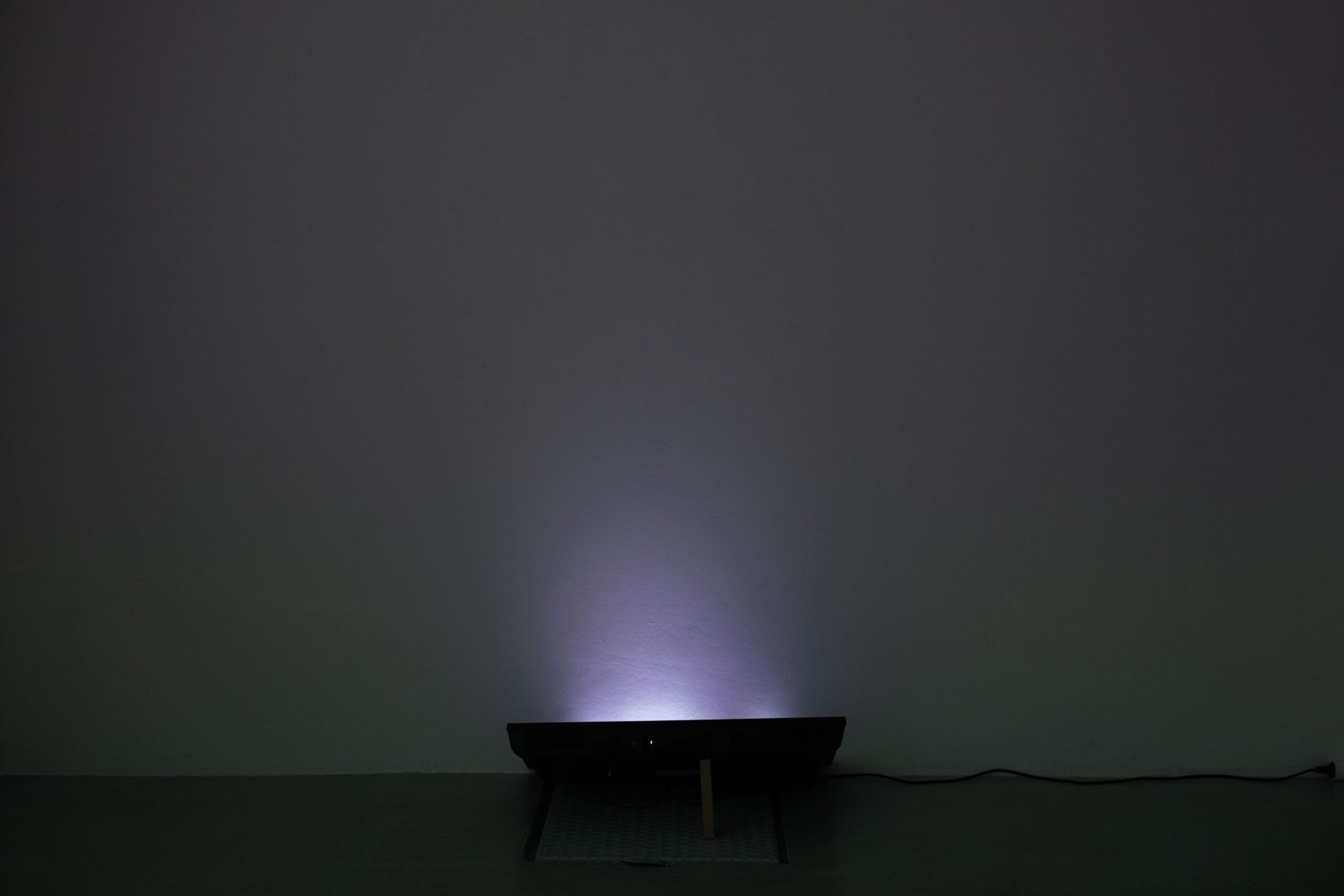

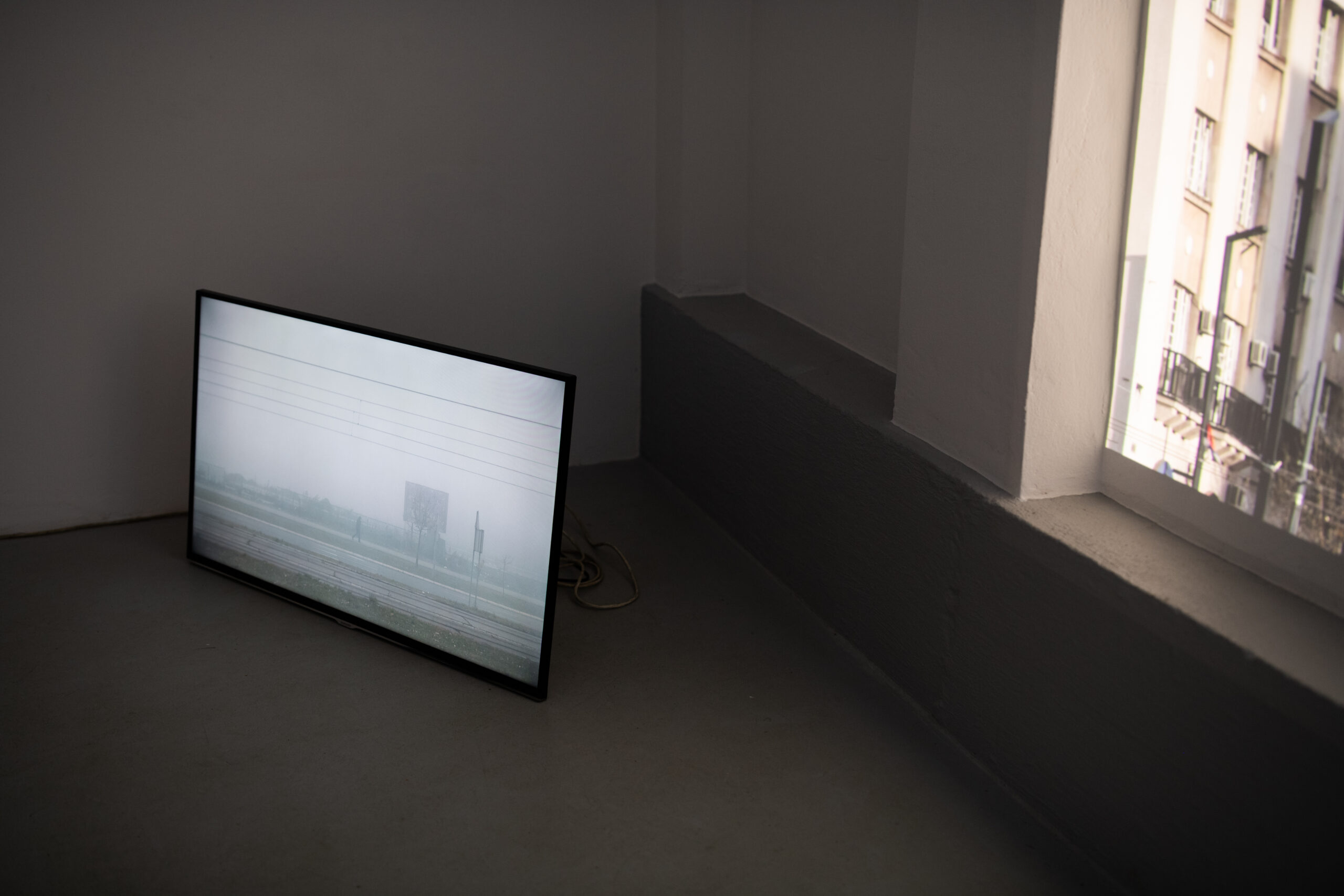


Set up photos: Ivan Buvinić
What Was, What Remains – on Bojan Fajfrić’s project Eagles, Army Headquarters and Football Films
(Re)materialisations of spaces that were once inhabited, as undertaken, for example, by Korean-British artist Do Ho Suh, allow the spectators a peek into abandoned, forensically dissected apartments. Such scenes are not uncommon in other milieus either, including our own, which we often pass by, desensitised to the occurrences happening to the urban space. Multimedia artist Bojan Fajfrić’s practice could be observed along the lines of a similar experience, which I myself share on a daily basis: scars in the urban fabric that are easily “dissected” and torn down after years of neglect, on the remnants of history which we renounce, convinced that the new will cover the vestiges of an unwanted shared past. Perhaps, for most people, this is true. But I wonder what new generations will remember, who have no idea what modernisation of a mostly rural country such as Yugoslavia after World War II was like, with cities in which the flotsam of monarchies, kingdoms and other political structures left its mark, and newcomers sought their place?
In Belgrade, which Fajfrić continuously visits and records, there are three locations of particular interest to him – Belgrade on the Water, a so-called urban renewal project that promises a “dream life”, the General Staff building hit by NATO missiles in 1999, the work of famous modernist architect Nikola Dobrović, who designed several important buildings and parks in Croatia in the interwar period, and thirdly, a film set and replica of 1930s Belgrade, transformed and largely unknown to younger generations. Although these three locations are unique, they speak to a broader phenomenon noticeable in transitional societies which often mourn a fictional image of the (distant) past, sentimentally evoking the “good old days”, while simultaneously disowning the more recent periods by altering or rearranging narratives, mostly as it suits certain individuals or the current politics.
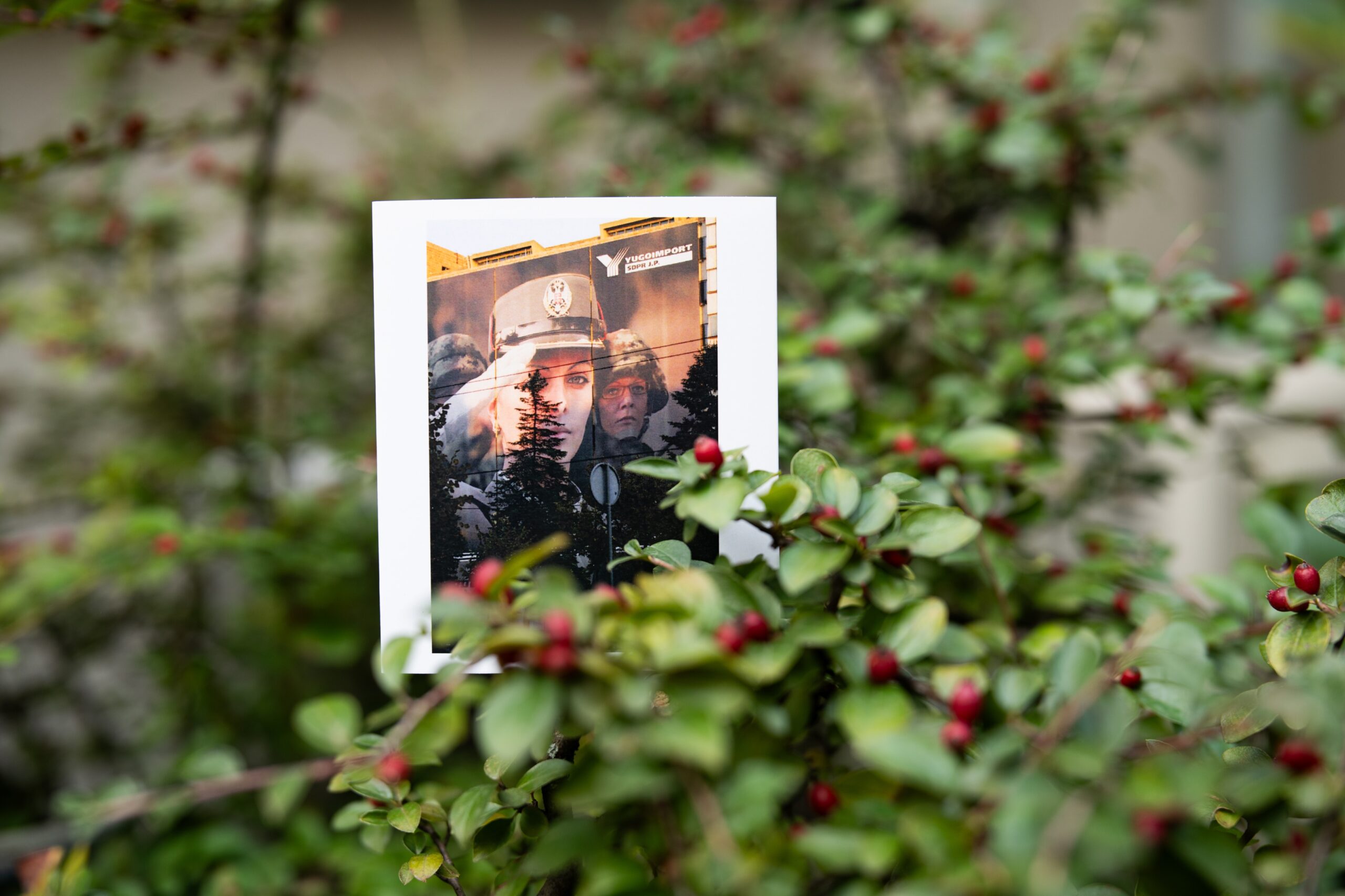
Which image of the place is “the real one”; which history do we (both the artist and us) remember? Bojan Fajfrić resorts to spatial installations, forming simultaneous spaces in the exhibition, heterotopias in which we are confronted with his position as witness to a kind of cartography of violence, while at the same time re-examining our own experience. According to Rob Nixon’s elucidation, this violence is slow, and transpires over a long period of time, often out of reach of the gaze that passes by the dilapidated and neglected buildings and city spaces. Most people do not perceive “urban renewal” as violence, but when we become aware of the background of most such “undertakings”, we come to understand that much of what is happening in urban zones is actually driven by violence – economic, political, ecological – in the foundations of which lies social inequality. To this effect, the footage that Bojan Frajfić has been recording for more than a decade is not a visual archive of the material substantiation of change, but a testimony to a discourse the meaning of which is often obscured by huge billboards. What is important remains concealed behind consumerist content about a dream life, behind artificially generated images of a non-existent – fake – future, in which we will have to partake one way or another.
Sandra Križić Roban
Bojan Fajfrić (Belgrade, former Yugoslavia) is an artist and filmmaker based in the Netherlands since 1995. A graduate of the Royal Academy of Fine Arts in The Hague and former resident at the Rijksakademie in Amsterdam, his work explores the entanglement of personal memory with collective historical consciousness and the unfolding of political events. Working primarily with moving images and photography, he creates layered narratives that reflect on history’s impact on individual lives.
His work has been presented at institutions such as Palais de Tokyo (Paris), Baltic Centre for Contemporary Art (Gateshead), San Telmo Museum (San Sebastián), De Appel (Amsterdam), the Belgrade October Salon, NGBK (Berlin), and the Center for Cultural Decontamination (Belgrade). His films have screened widely at international festivals including the International Film Festival Rotterdam, International Short Film Festival Oberhausen, Vienna International Film Festival, DOK Leipzig, Sharjah International Film Festival, Tempo Documentary Festival (Stockholm), Rencontres Internationales Paris/Berlin/Madrid, and Impakt Festival (Utrecht).