Ela Junaković in conversation with Aida Redžepagić, director, and Jelena Janković, programme director of Sarajevo Photography Festival.
Sarajevo Photography Festival – Time, Community, and Emotion
October 5, 2026
The Sarajevo Photography Festival has been held annually since 2022, with this year’s fifth edition running from 1 to 30 June. I had the opportunity to speak with the festival’s organisers, director Aida Redžepagić and programme director Jelena Janković, who spoke to me about the concept behind the festival and how it is organised. Both are photographers themselves, and, as Jelena points out, they shape the festival not from a curatorial perspective but from a photographer’s point of view. Explaining what motivates them, Jelena says: “We truly believe that Sarajevo deserves to be a city that brings together the entire region at least once a year. We strive to make the festival an open space for encounters, exchange, and connection among people with different experiences, from different generations and professional backgrounds. It is important to us that everyone who comes feels they can participate, ask questions, learn, and be part of the community. That is very important to us, because we genuinely give everyone who wants to join us the opportunity to learn, make connections, and have a platform – just come! The basic idea was to use the programme to try to bring the entire Balkan region together and then expand onto the international scene, because I truly believe that through these connections, through conversation, and through that one evening we spend together, we can share so much.”
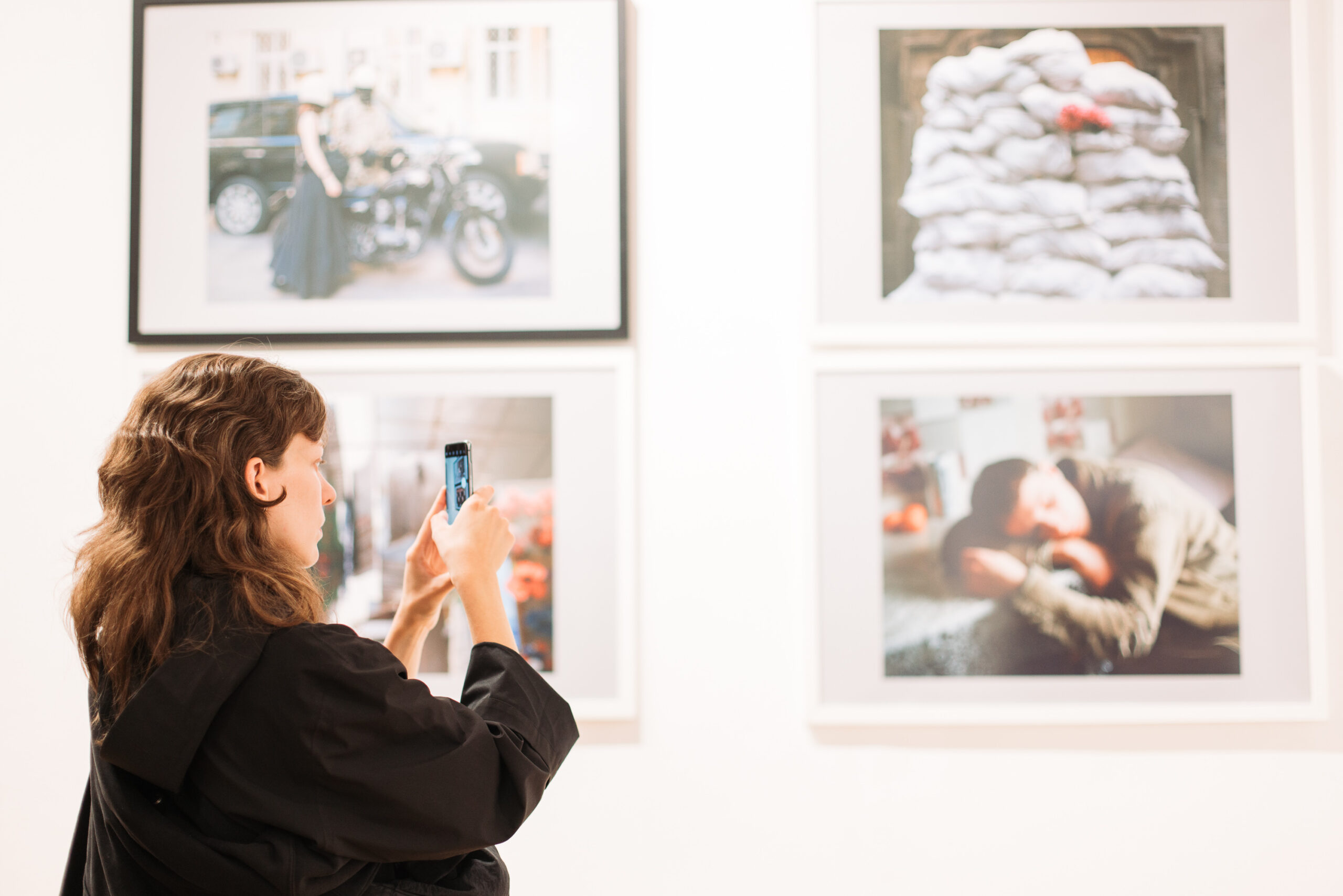
Sarajevo Photography Festival 2026, photo: Amina Alađuz-Lomigora
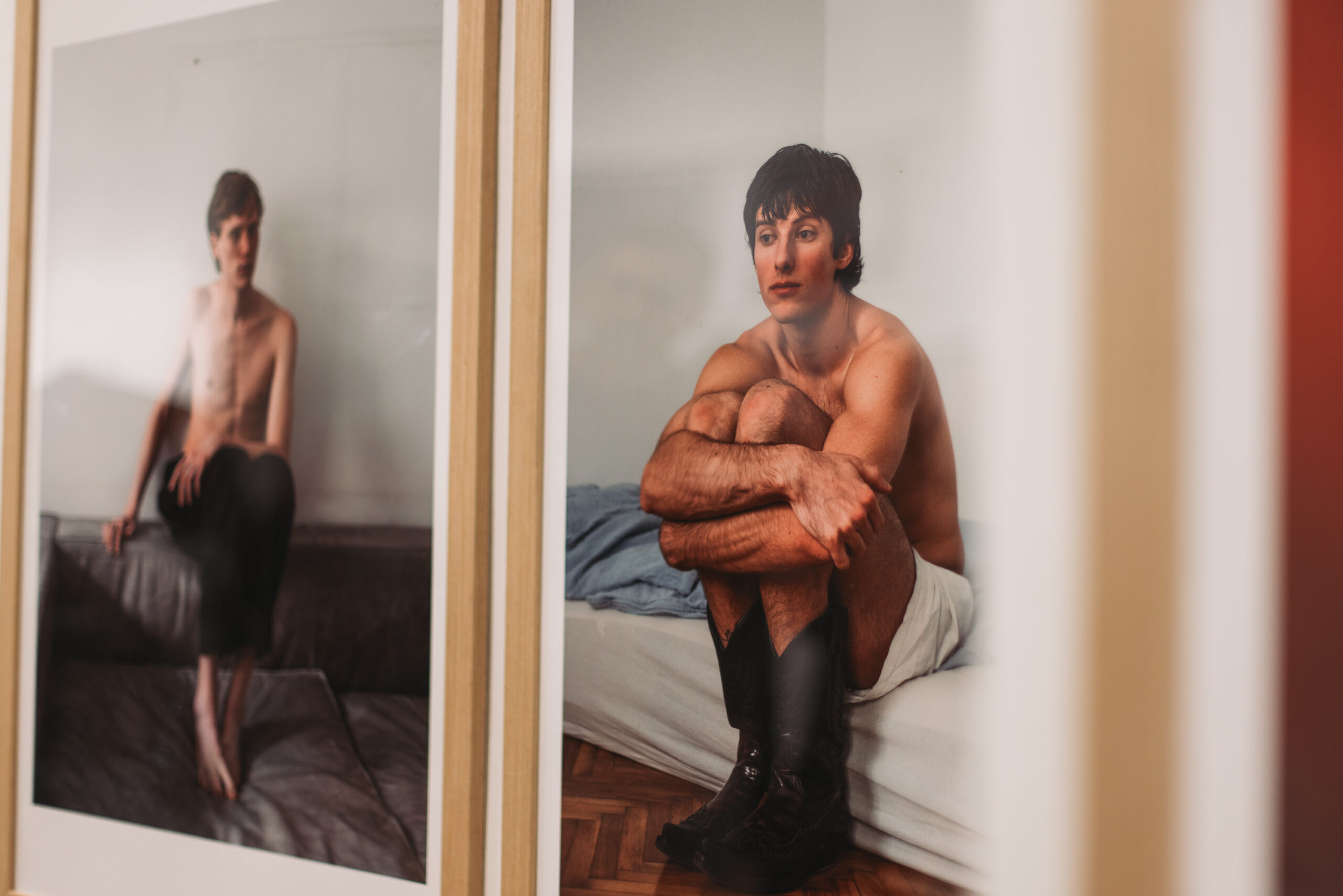
Sarajevo Photography Festival 2026, photo: Amina Alađuz-Lomigora
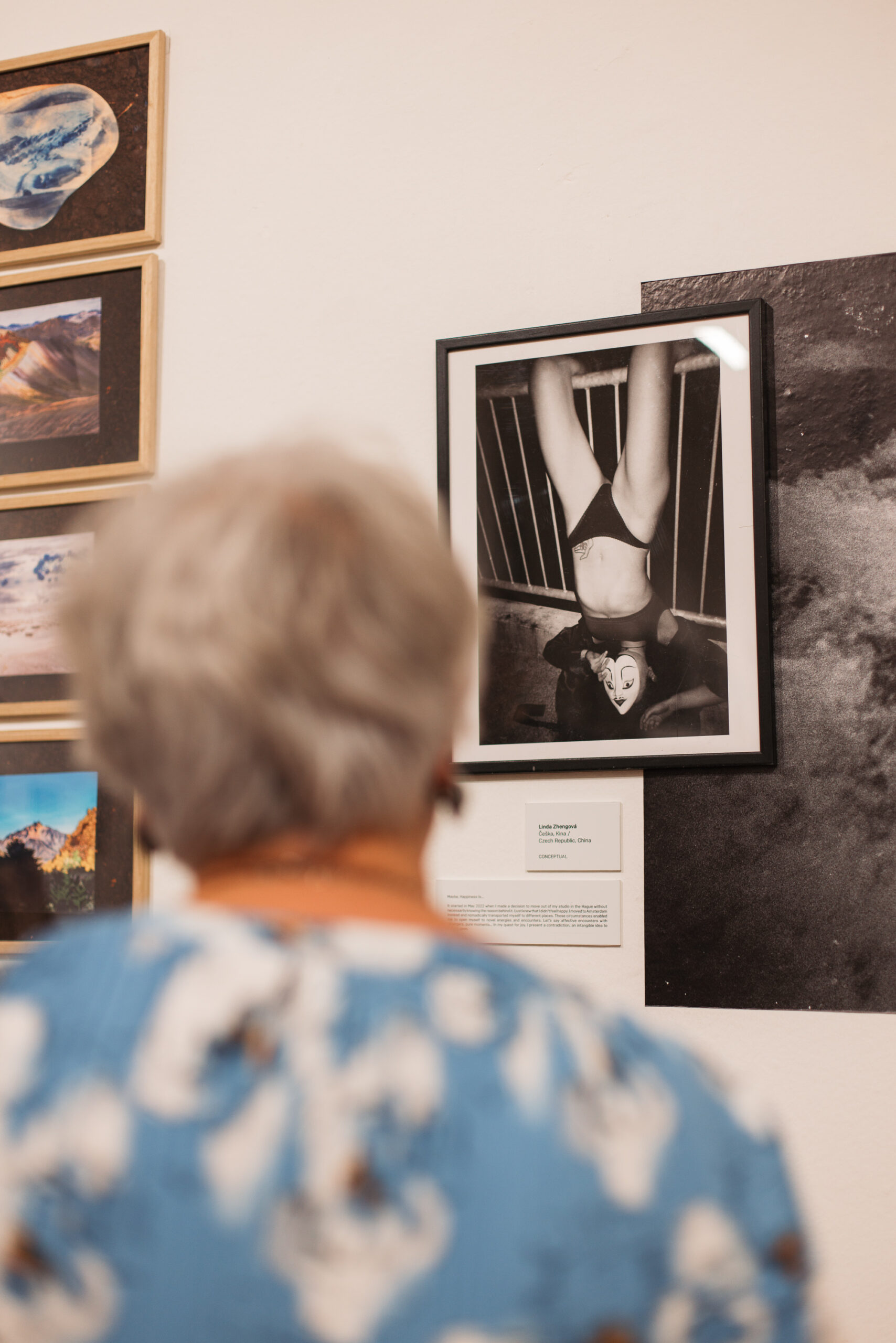
Sarajevo Photography Festival 2026, photo: Amina Alađuz-Lomigora
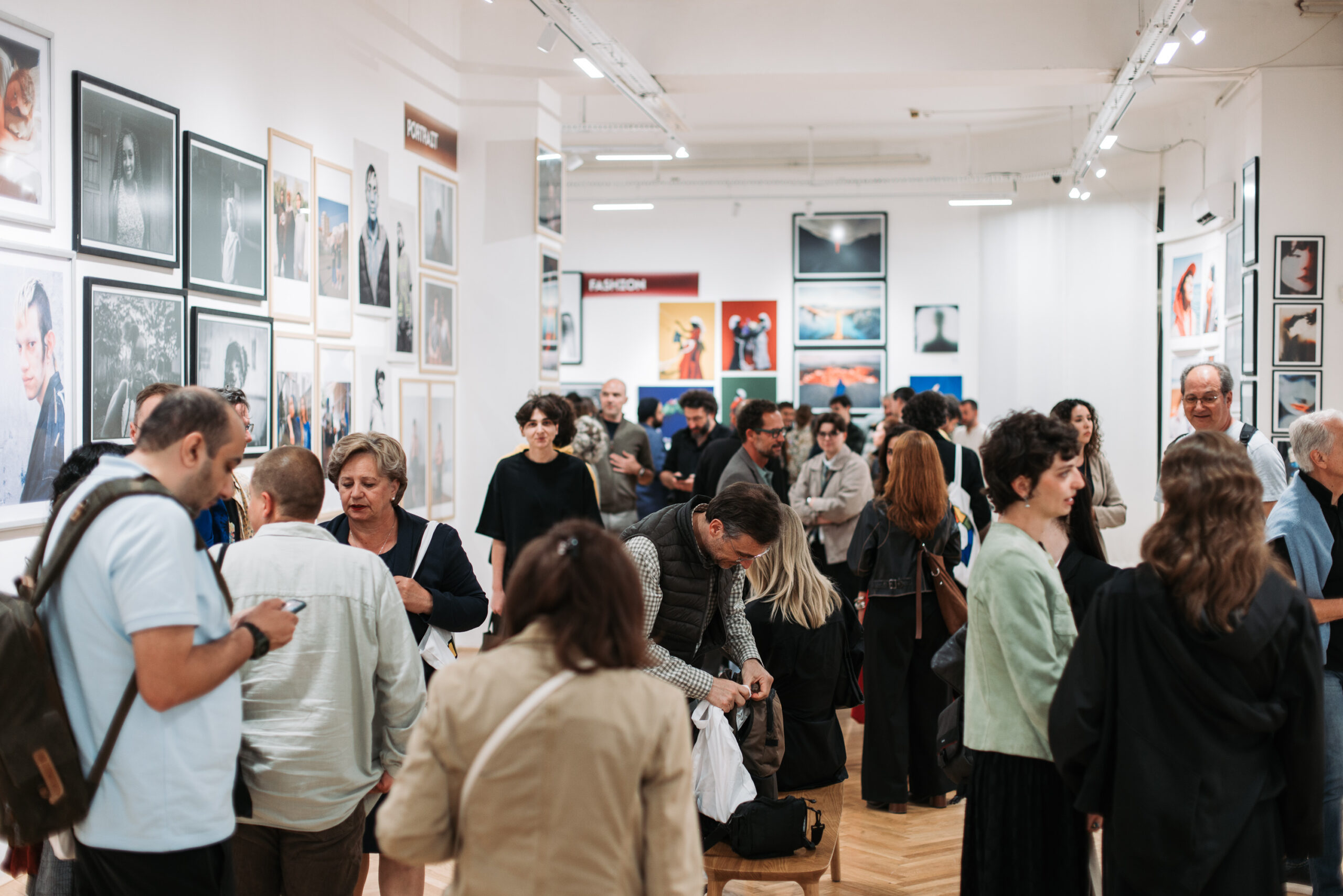
Sarajevo Photography Festival 2026, photo: Amina Alađuz-Lomigora
The programme features a wide range of events – exhibitions, workshops, film screenings, lectures, and talks. Alongside these more conventional festival activities, there are also some less conventional, more relaxed offerings, such as parties and morning yoga sessions – all of which form an important part of the overall experience. Aida reflects on how visitors experience the festival: “Of course, everyone is impressed by the great exhibitions, but what people remember most – and what stays with us in the long run – is how we felt. At the Sarajevo Photography Festival, people feel relaxed and welcome enough to have a coffee or a beer together, start a conversation, share their work, and exchange experiences. It is precisely this informal, warm, and open atmosphere that often creates space for new connections, collaborations, and friendships. This is something we value most, and we hope to preserve it.”
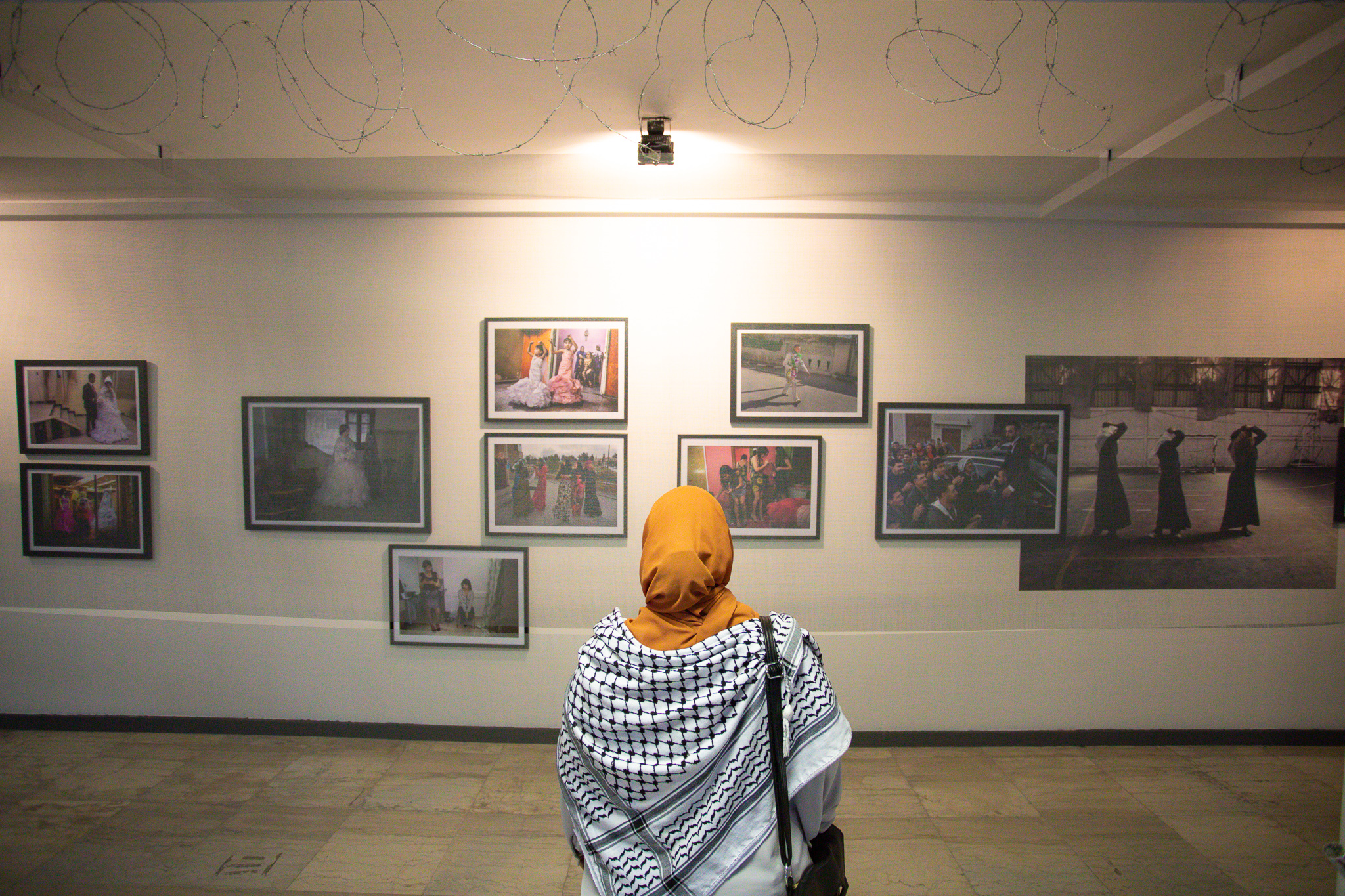
Sarajevo Photography Festival archive
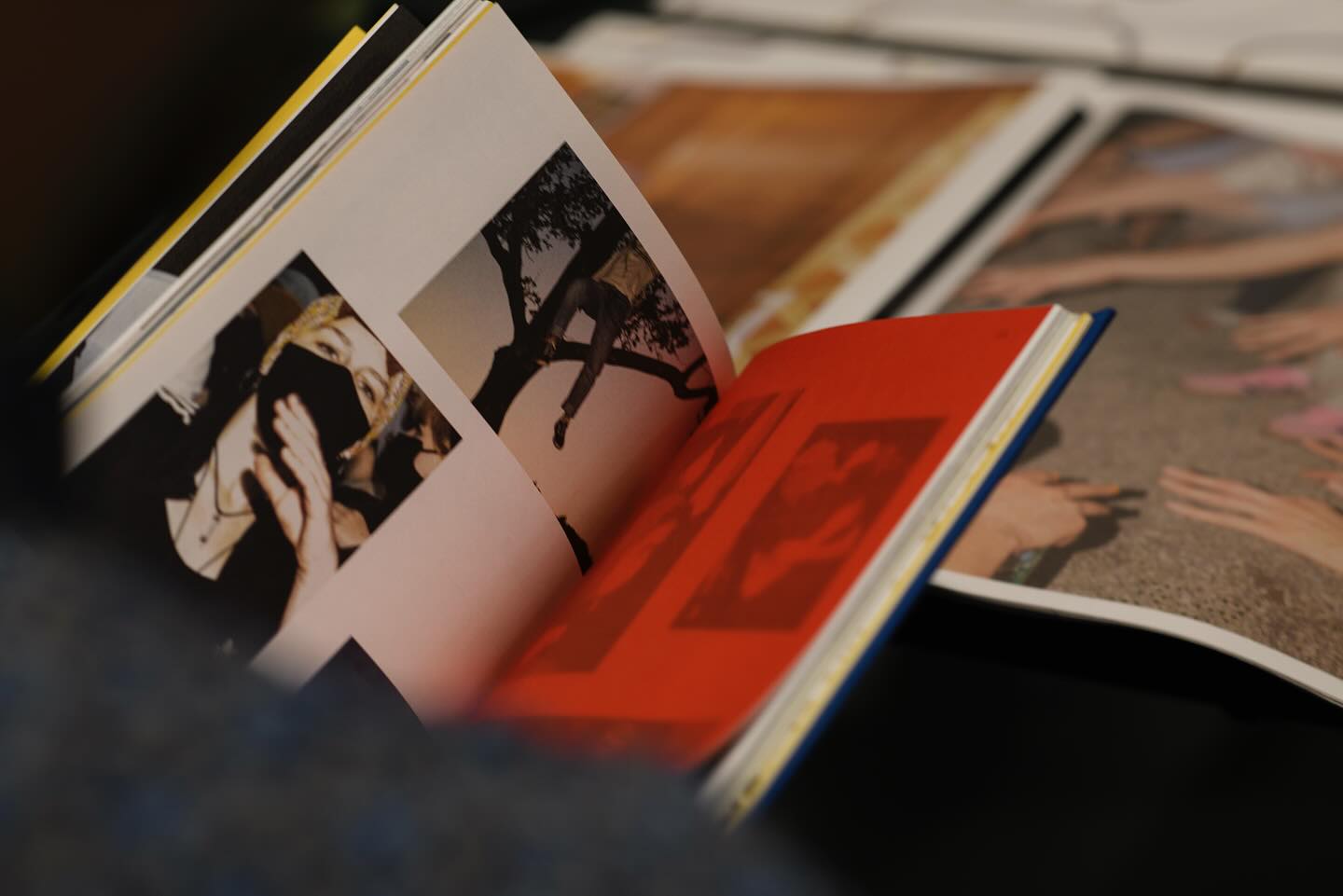
Sarajevo Photography Festival archive
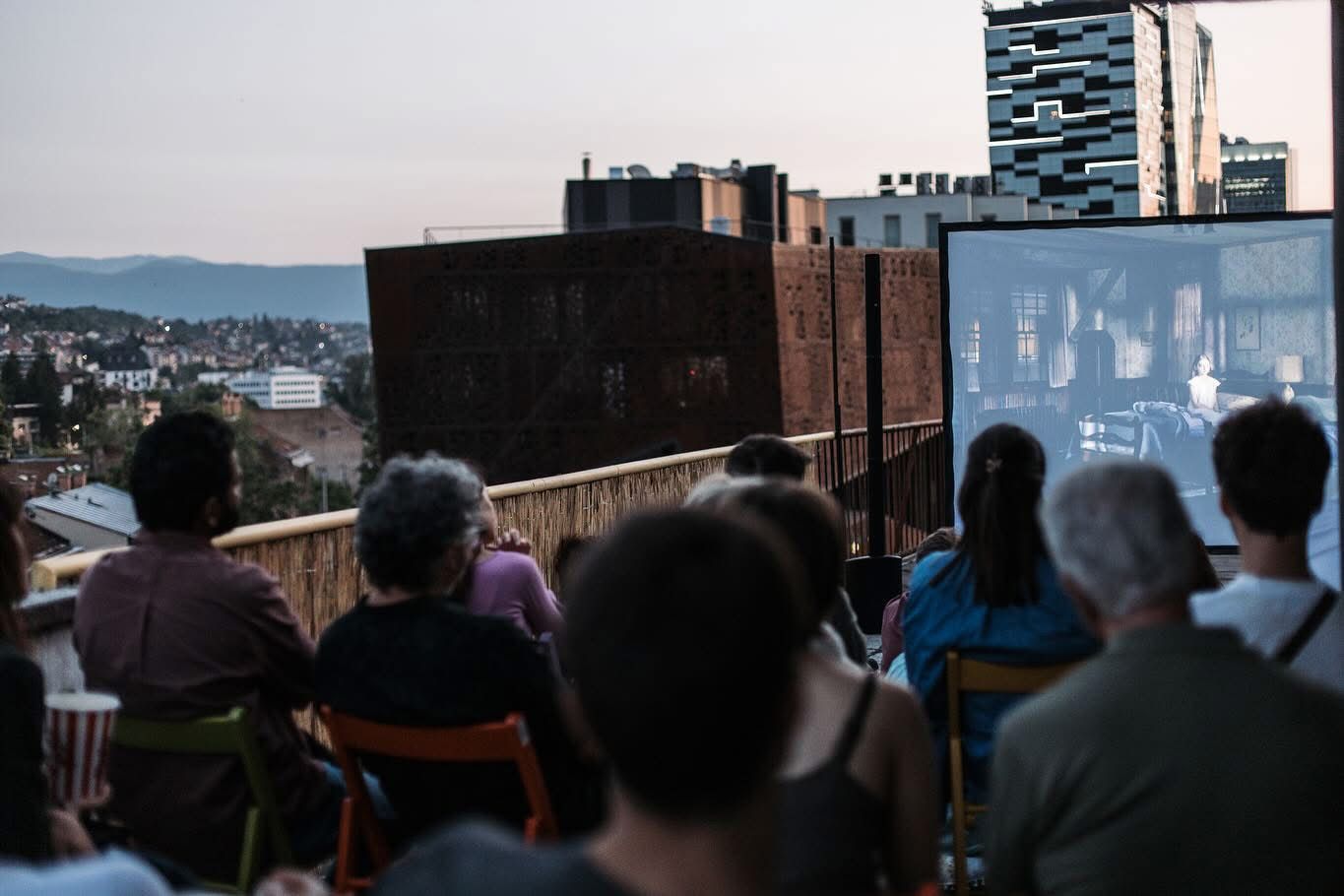
Sarajevo Photography Festival archive
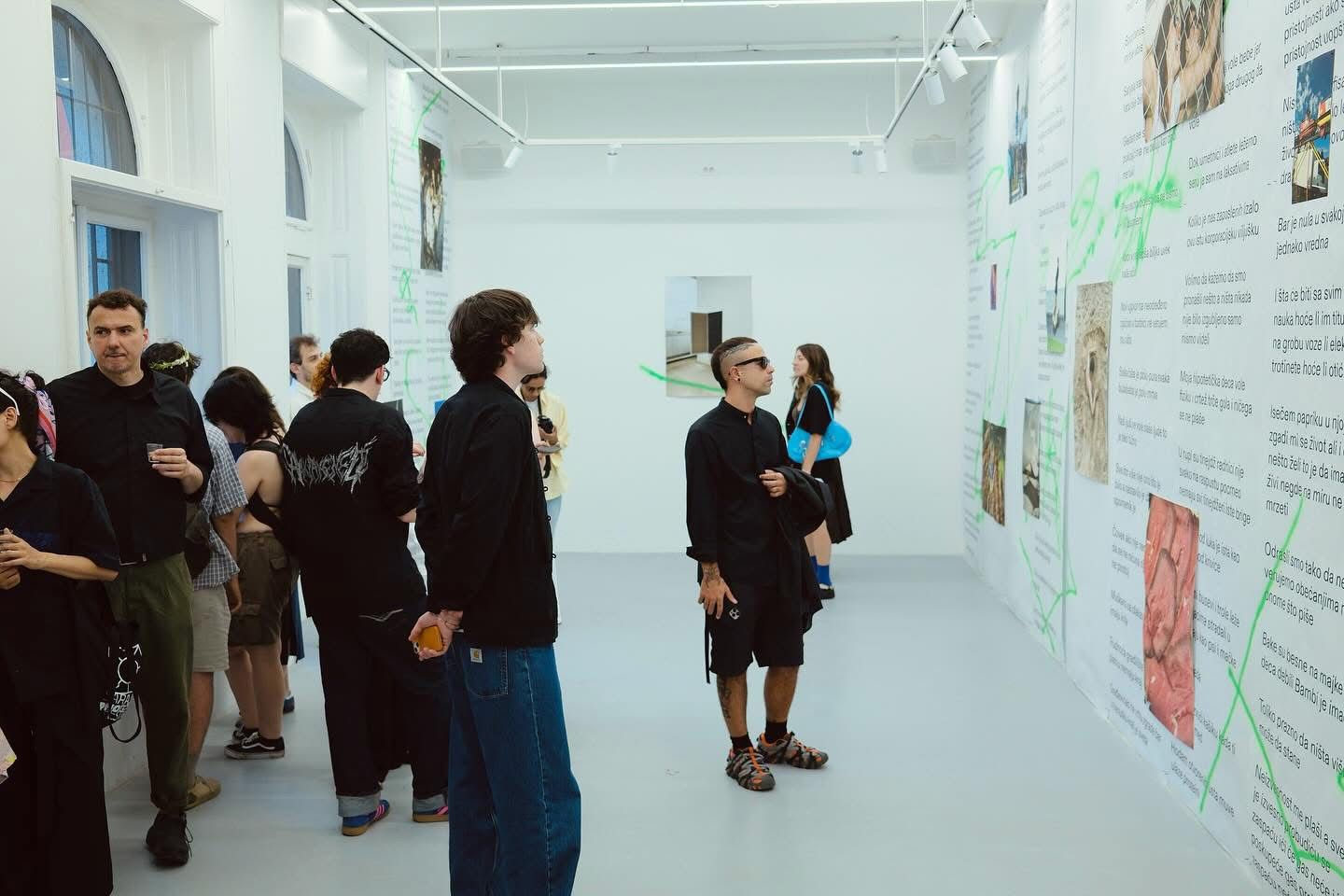
Sarajevo Photography Festival archive
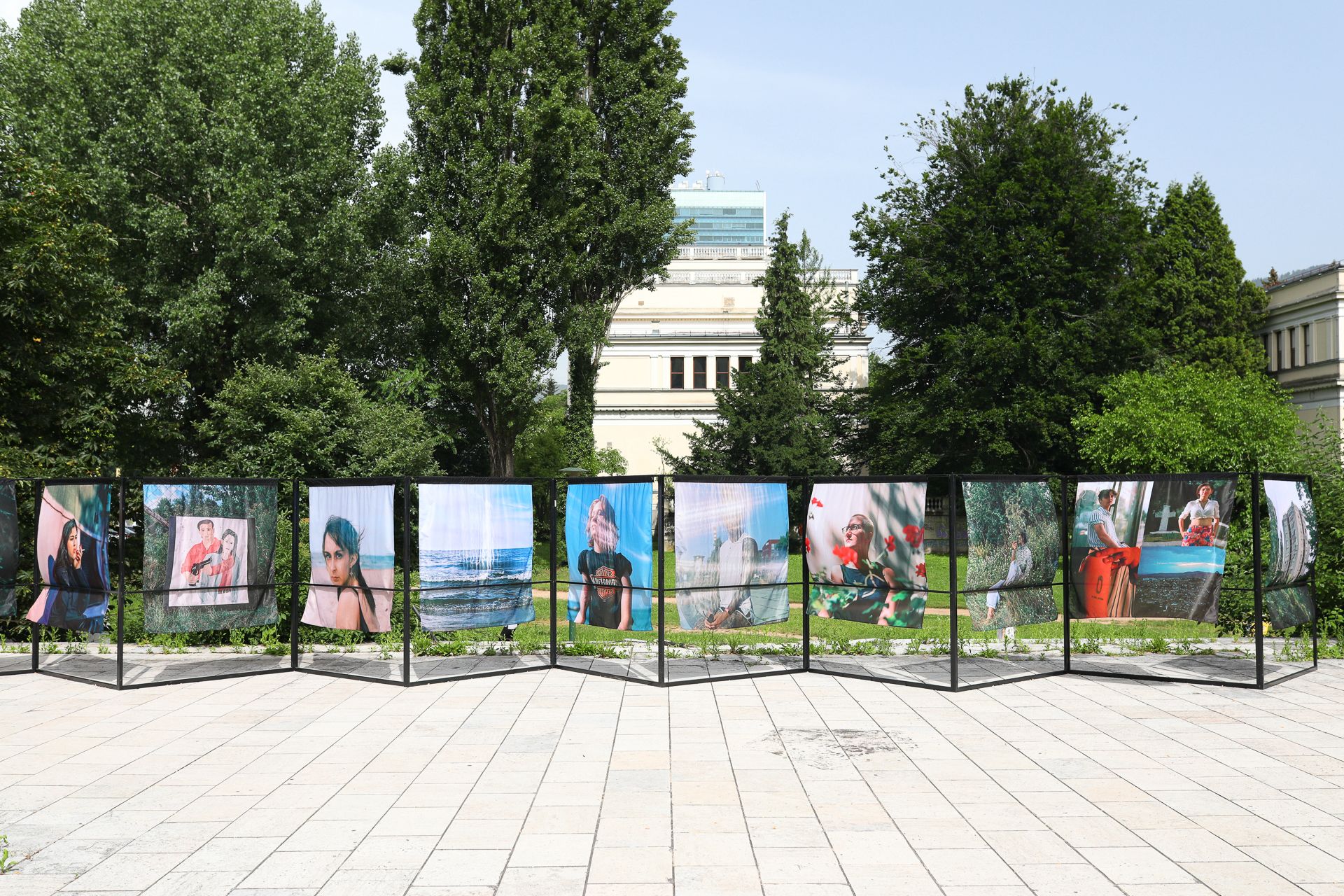
Sarajevo Photography Festival archive
This year’s festival theme is Under Pressure. Aida and Jelena understand pressure as a condition that shapes our everyday lives, professional decisions, creative processes, and communication. It can come from outside, as a result of political, economic, or social circumstances, but it can also be an internal state that lingers in the body. Within this broad theme, they identified two key concepts: home, as both a physical and emotional framework, and the archive, within which photography functions both as a document and an active participant in the construction of meaning. Asked how they choose the festival theme, Aida explains: “We always try to tune in to what feels most relevant at a given moment, not just in terms of current trends in photography, but in terms of the prevailing mood, both personally and globally. That then becomes our guiding thread.”
Last year’s theme was Weltschmerz, which Aida describes as “that feeling of deep sadness about everything that is happening around you, but you cannot change it, so instead you empathise and respond through art. And this year, we don’t feel that the situation around us has improved, and we see that very clearly through photography. On both global and local levels, it seems that – I don’t want to sound harsh, and I wish I had a euphemism for it – fascism is making a major comeback.” The sense that little has changed for the better on a global level led them to this year’s theme, although they do not see it as something necessarily negative, “because the best things can actually emerge under pressure. In circumstances and states like these – under pressure – some remarkable works have been created, important issues have been brought into focus, and people have begun to speak about them.”
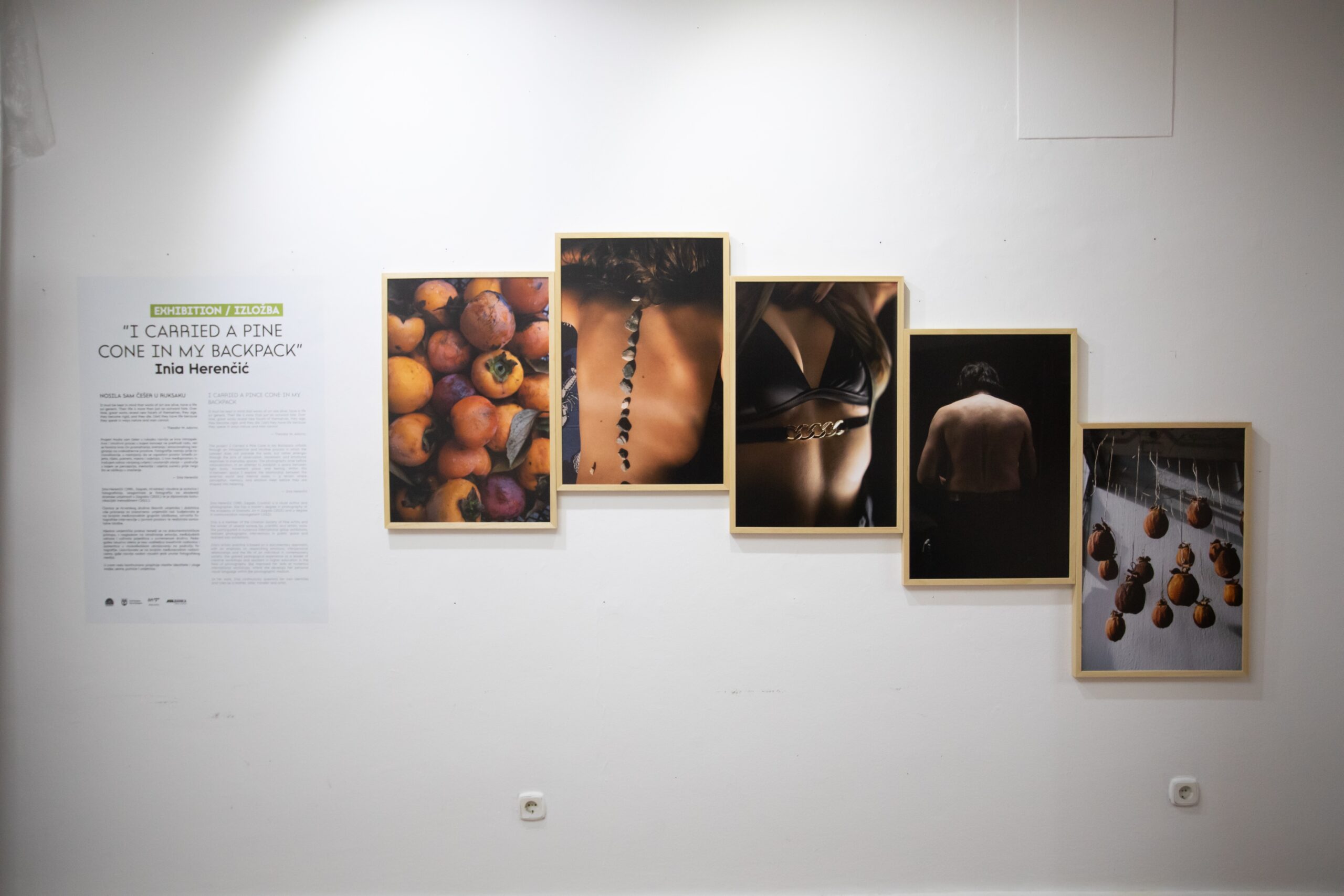
Sarajevo Photography Festival 2026, Inia Herenčić solo exhibition, “I carried a pine cone in my backpack”, photo: Amina Alađuz-Lomigora
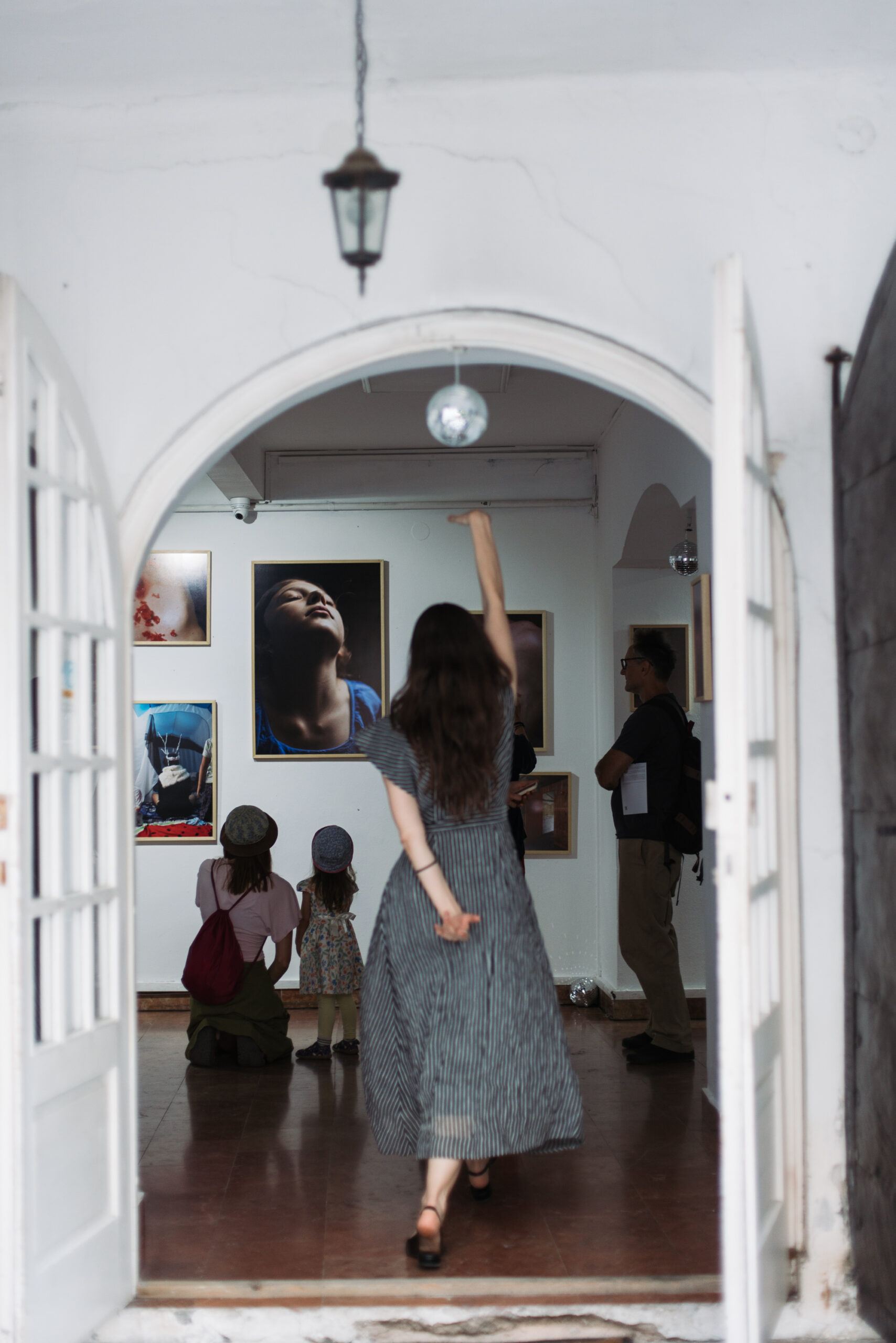
Sarajevo Photography Festival 2026, Inia Herenčić solo exhibition, “I carried a pine cone in my backpack”, photo: Amina Alađuz-Lomigora
With the festival theme in mind, Jelena selects the artists for the programme, stressing that “what really matters to me in the selection process is sensing that the artist is sincere.” This year’s invited artists include Vedad Divović, Inia Herenčić, Stefan Đorđević, Yvonne De Rosa, and internationally renowned photographer Carlota Guerrero, who will present her new series of photographs for the first time. Throughout the year, Jelena researches a wide range of artists, keeping an eye on what is happening on the cultural scene. Even when she cannot attend exhibitions in person, she follows them online and through social media. “If @bitefzena happens to like one of your posts, you’re on the map”, Aida adds with a smile.
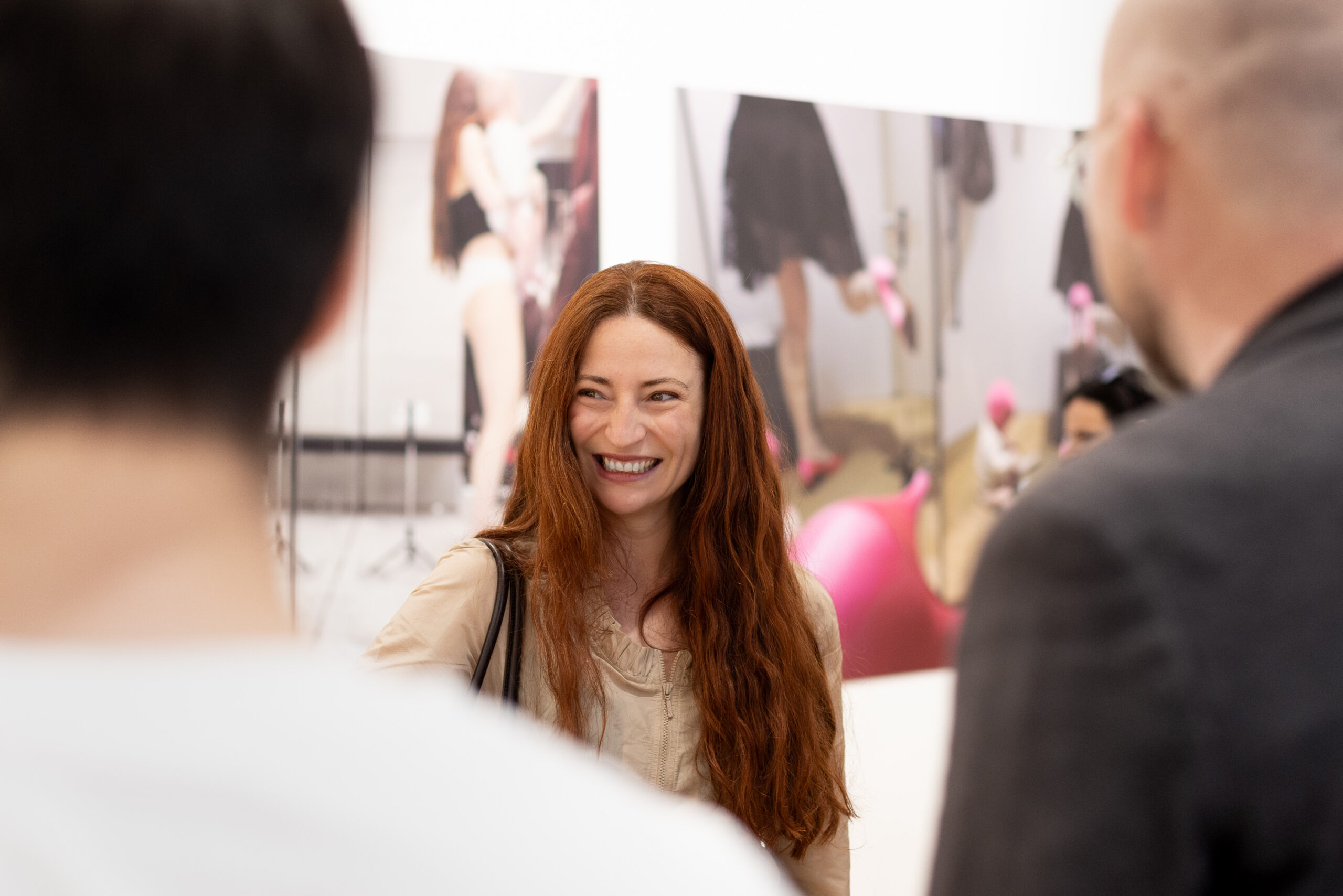
Sarajevo Photography Festival 2026, Carlota Guerrero solo exhibition, “Carmina Carlota: Retail Ritual”, photo: Amina Alađuz-Lomigora
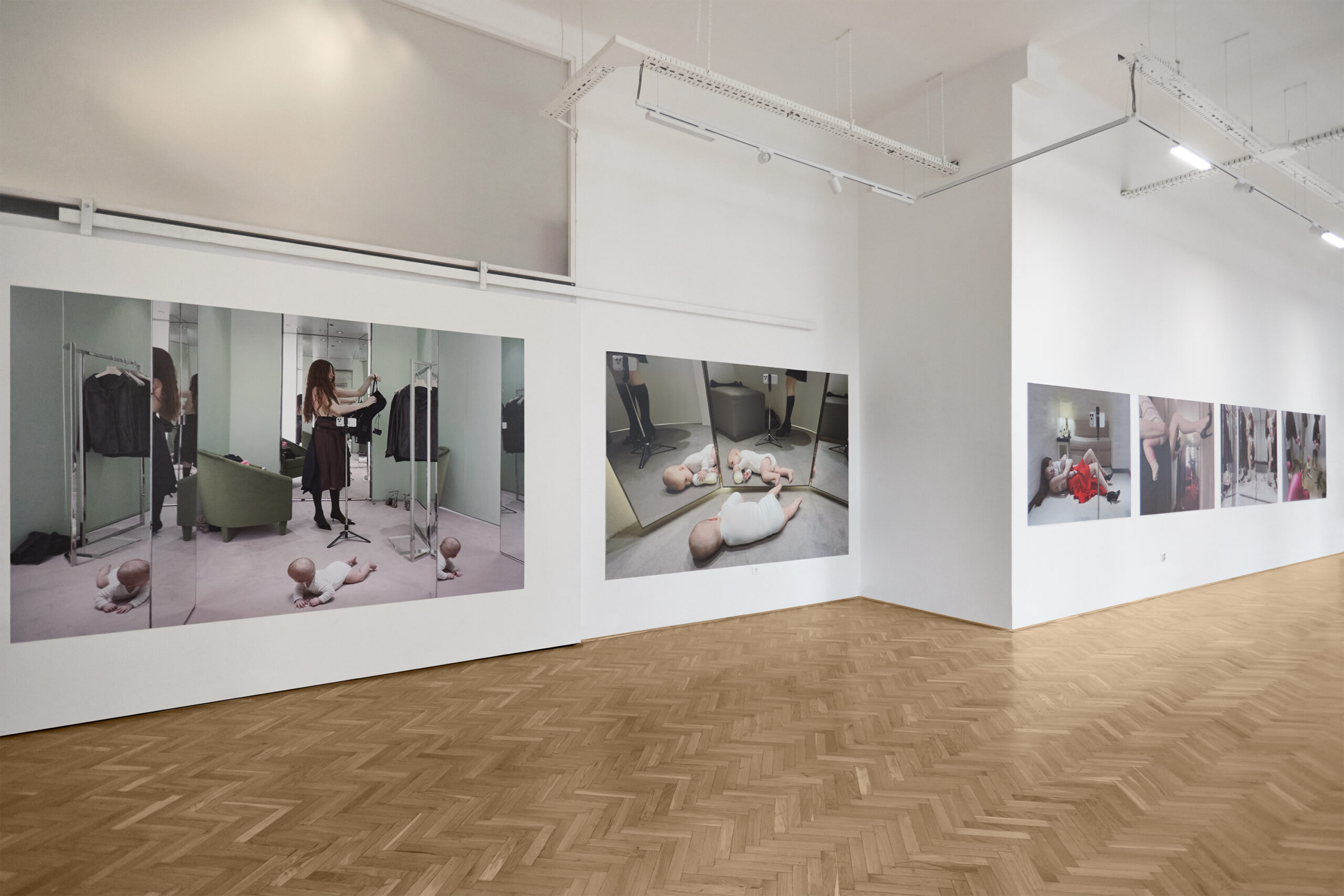
Sarajevo Photography Festival 2026, Carlota Guerrero solo exhibition, “Carmina Carlota: Retail Ritual”, photo: Amina Alađuz-Lomigora
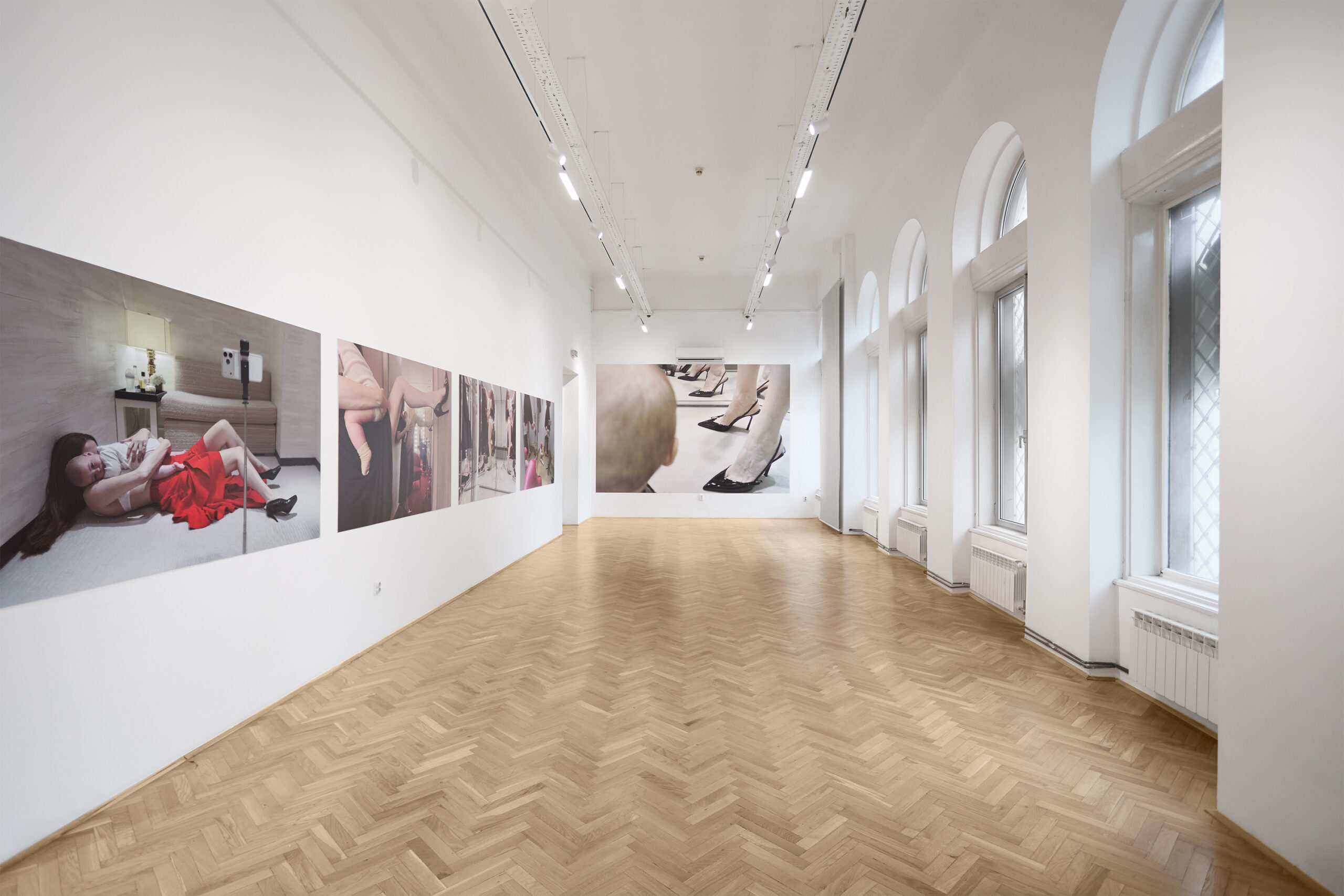
Sarajevo Photography Festival 2026, Carlota Guerrero solo exhibition, “Carmina Carlota: Retail Ritual”, photo: Amina Alađuz-Lomigora
As for the open call, there are eight categories: documentary photography, landscape, everyday life, conceptual photography, mobile photography, fashion, event photography, and portraiture. Speaking about this concept, Jelena says: “What the scene lacks is diversity, and what is unique about our competition is that it is open to a wide range of different photographic approaches and categories. Ultimately, it doesn’t matter whether it is landscape or mobile photography, and it doesn’t necessarily have to be contemporary photography. What we’re looking for is simply a good photograph. It doesn’t need a big concept or an elaborate story – it just needs to speak through its own visual language.” This year, submissions came from as many as 75 countries, while participation from the region varies from year to year. The expert jury selects the finalists anonymously, ensuring everyone has an equal opportunity, whether they are established or emerging artists. Aida notes that competitions are always commercial to an extent, but that the expertise of the jury brings an artistic dimension to the process. “The jury had such a hard time narrowing each category down to a top ten that some members actually asked us if we could add an 11th and 12th place. They simply felt it would be a shame for such strong work to be left out and not seen. So for anyone who applied and didn’t make the cut, it’s worth emphasizing just how tough the competition is. Every year, Jelena and I feel devastated when we see the work that has been left out of the top ten.”
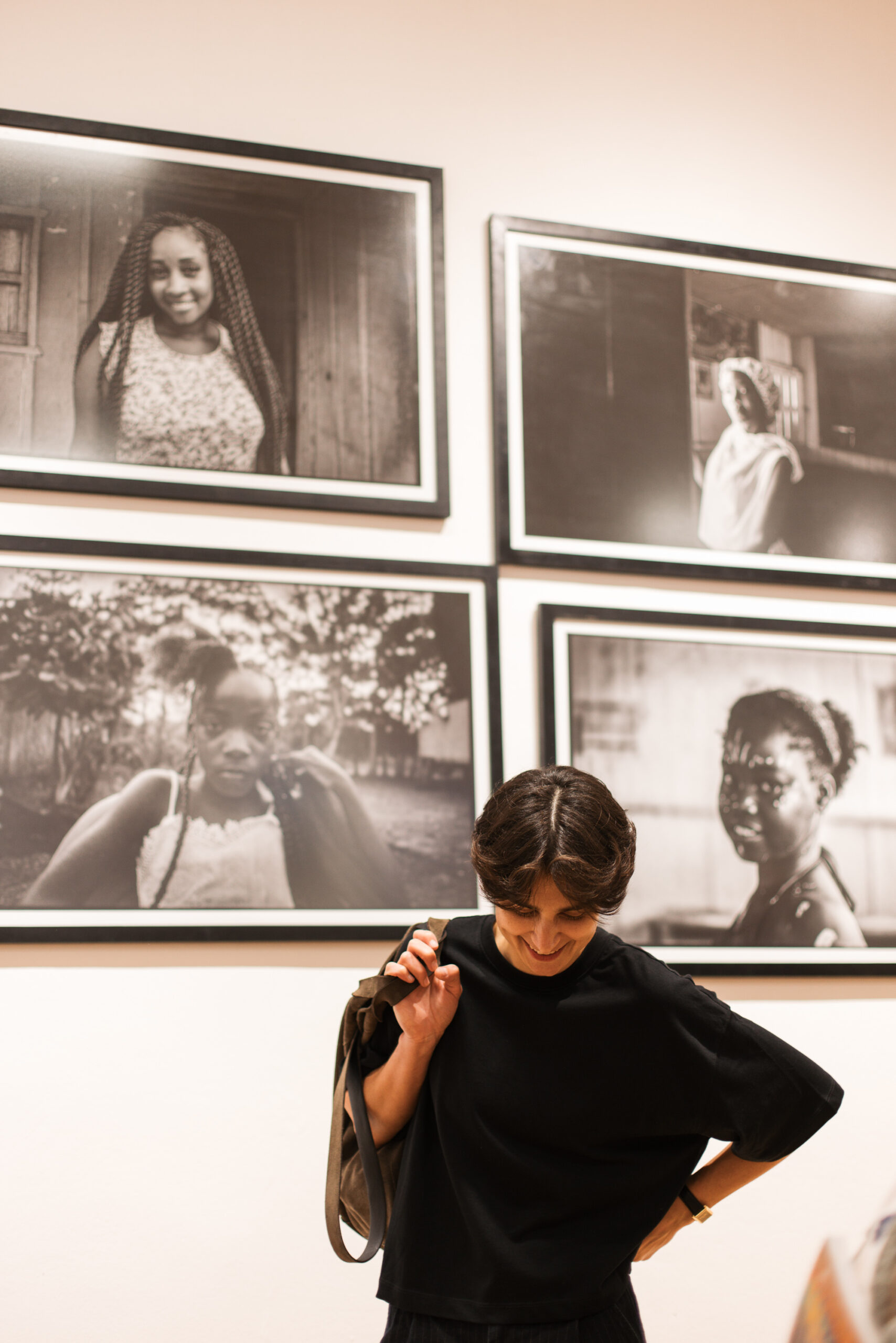
Sarajevo Photography Festival 2026, photo: Amina Alađuz-Lomigora
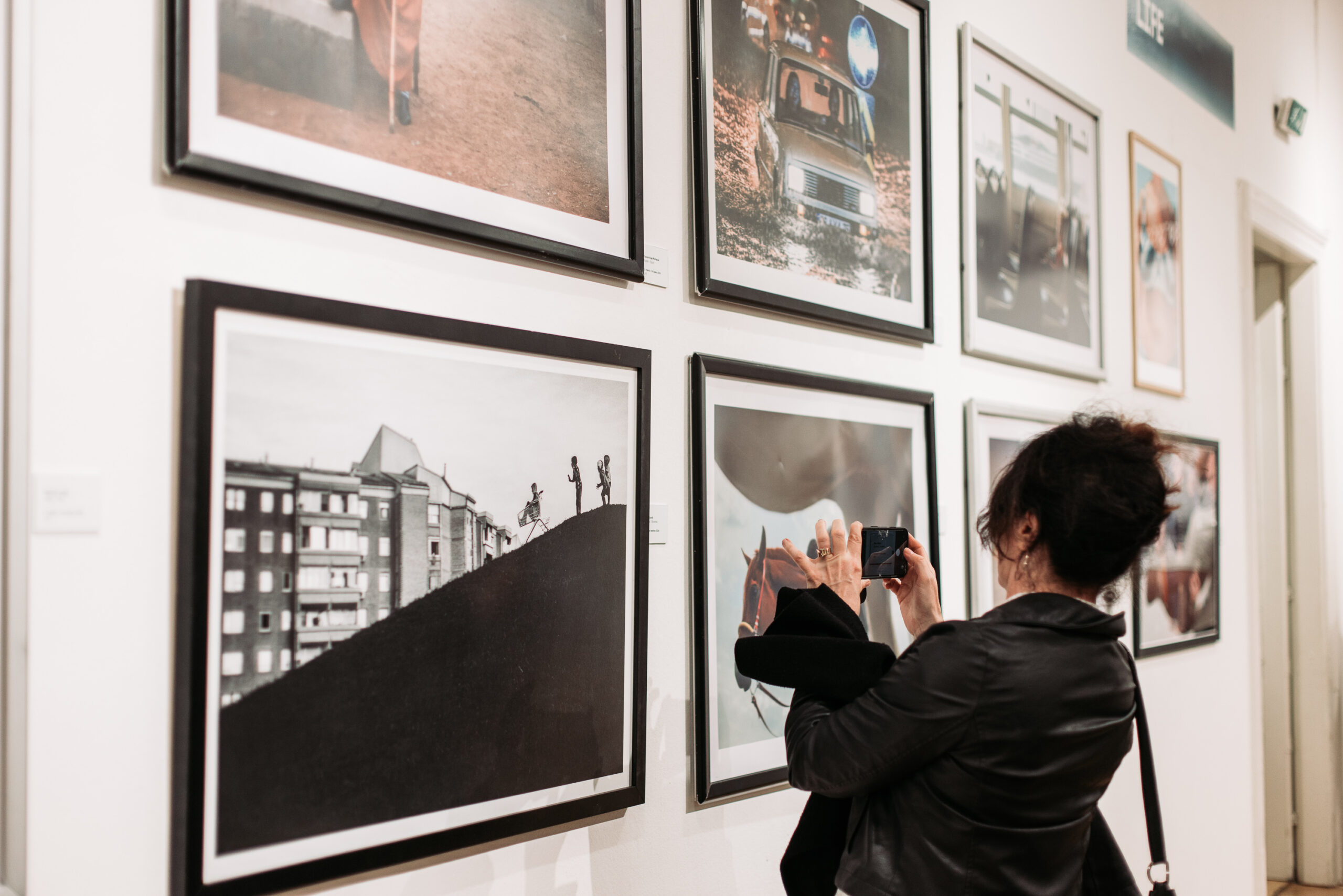
Sarajevo Photography Festival 2026, photo: Amina Alađuz-Lomigora
The exhibition Posts for Resistance, which both opens and closes the festival programme, was developed in collaboration with Peter Watkins and Michele Faguet and was inspired by the project Postcards for Palestine. At its core, the exhibition encapsulates the spirit of the festival and this year’s deeply political theme, grounded in the ideas of freedom, solidarity, and inclusion. It is conceived as a collective act that invites everyone to participate by contributing a work and placing it on the wall of Manifesto Gallery. Explaining what prompted the idea, Jelena explains: “I started wondering what would happen if we really opened the gallery up to everyone – if we used it as a space to share our personal views. It doesn’t matter how good your work is, whether you use the best paper, or whether it was printed on a high-end printer. What matters is that, for those six days, we open ourselves up as much as possible – first to the Sarajevo community, and then to all the guests coming to the festival. For me, the exhibition came from within – from a need, almost as a kind of experiment – and that is how I approached it. Nothing has to be official or fit within a particular context or direction. We just wanted to let the moment and the community guide us, and see how it felt.”
We thank the Sarajevo Photography Festival for providing the photographs.