Sara Simić writes about “Foto Dox”, a new programme strand of the ZagrebDox film festival. Its first edition, curated by Sandra Vitaljić, presented seven projects by authors from Bosnia and Herzegovina, Croatia, Serbia, and Sweden, as well as a collective bringing together authors from various Eastern European countries. The selected Croatian artists – Dea Botica, Bojan Mrđenović, and Petra Slobodnjak – are included in the list of authors on our website, where you can find out more about their work.
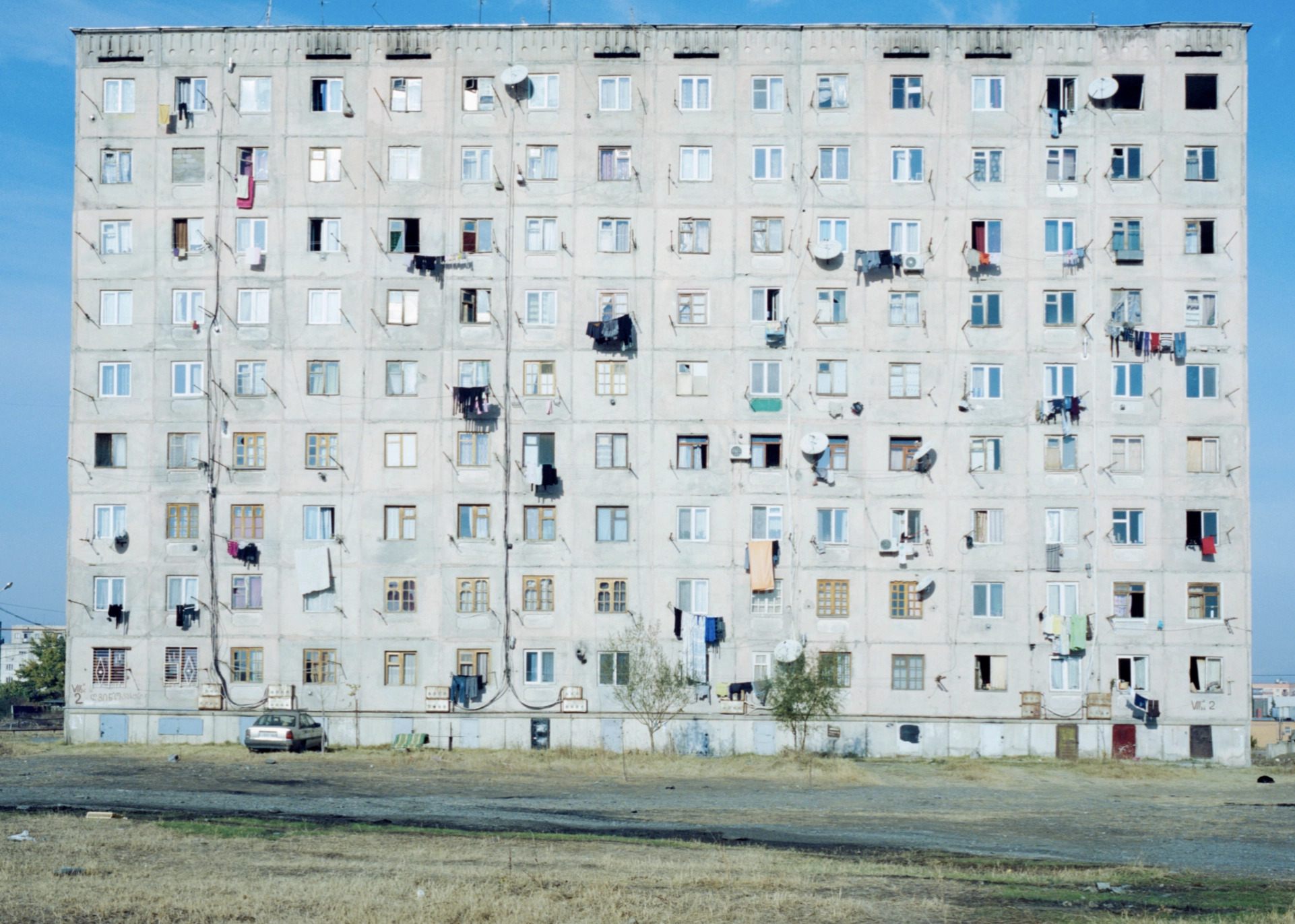
Sputnik Photos, “Lost Territories Archive”, 2015–2019
Last year’s edition of the ZagrebDox documentary film festival marked an important programmatic shift with the introduction of “Audio Dox”, through which the festival opened up to documentary practices beyond the medium of film – more specifically, to audio documentaries. Although primarily focused on documentary film, ZagrebDox thus joined an increasingly prominent trend among contemporary festivals seeking to approach documentary practice in broader and more flexible terms, beyond its traditional audiovisual framework. Such an expansion of the programme is not merely a matter of formal diversification, but reflects a need to understand documentary practice as a dynamic and evolving field, one that continually adapts to new media, practices, and modes of documenting reality. Following the successful launch of “Audio Dox”, which presented works by Croatian and international audio-documentary authors, this year’s edition of the festival continues in the same direction with the introduction of “Foto Dox”, a programme dedicated to documentary photography. In doing so, the festival further develops its interest in the fundamental elements of documentary expression – image and sound – while simultaneously examining the boundaries of the media through which documentary reality can be interpreted and communicated to audiences. As curator of the first edition of “Foto Dox”, Sandra Vitaljić selected seven projects by authors from Bosnia and Herzegovina, Croatia, Serbia, and Sweden, as well as Sputnik Photos – a collective bringing together authors from various Eastern European countries. Rather than being merely an overview of recent photographic production in the region and beyond, the selection seeks to map a range of contemporary approaches to documentary photography and the ways in which the very notion of documentary practice is understood and (re)defined today.
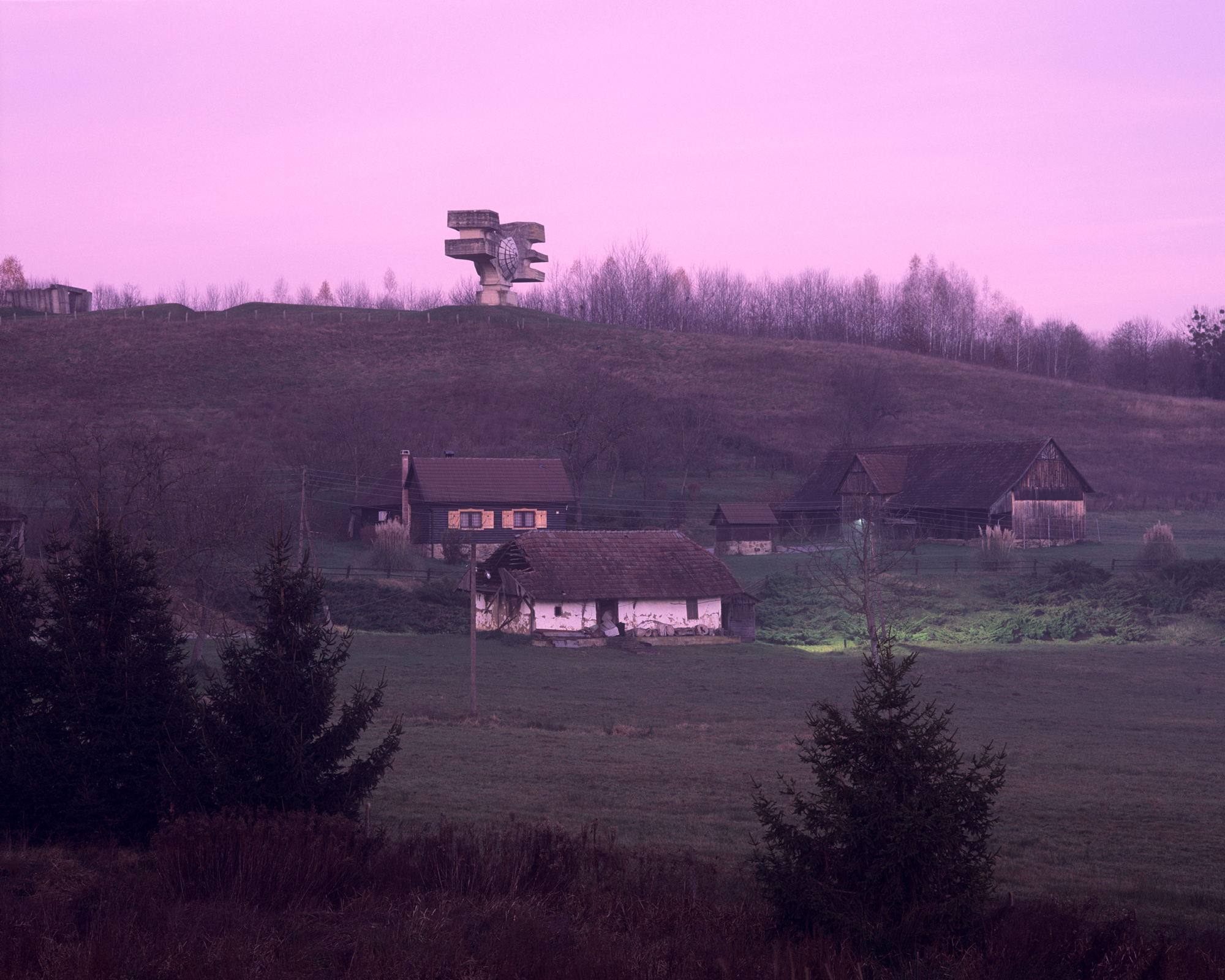
Bojan Mrđenović, from the photographic project “Nature, Chemistry and Society”, 2021
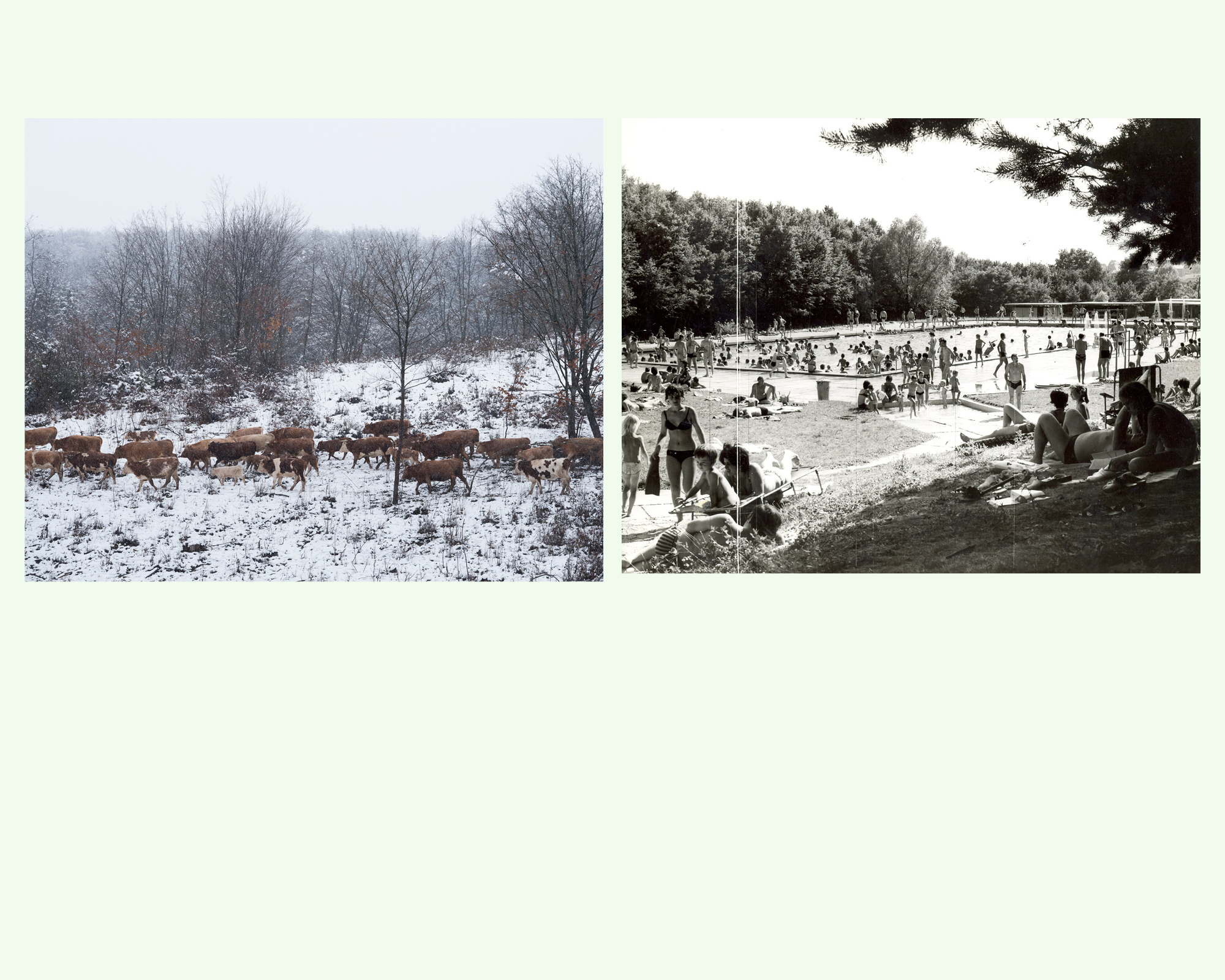
Bojan Mrđenović, from the photographic project “Nature, Chemistry and Society”, 2021

Bojan Mrđenović, from the photographic project “Nature, Chemistry and Society”, 2021
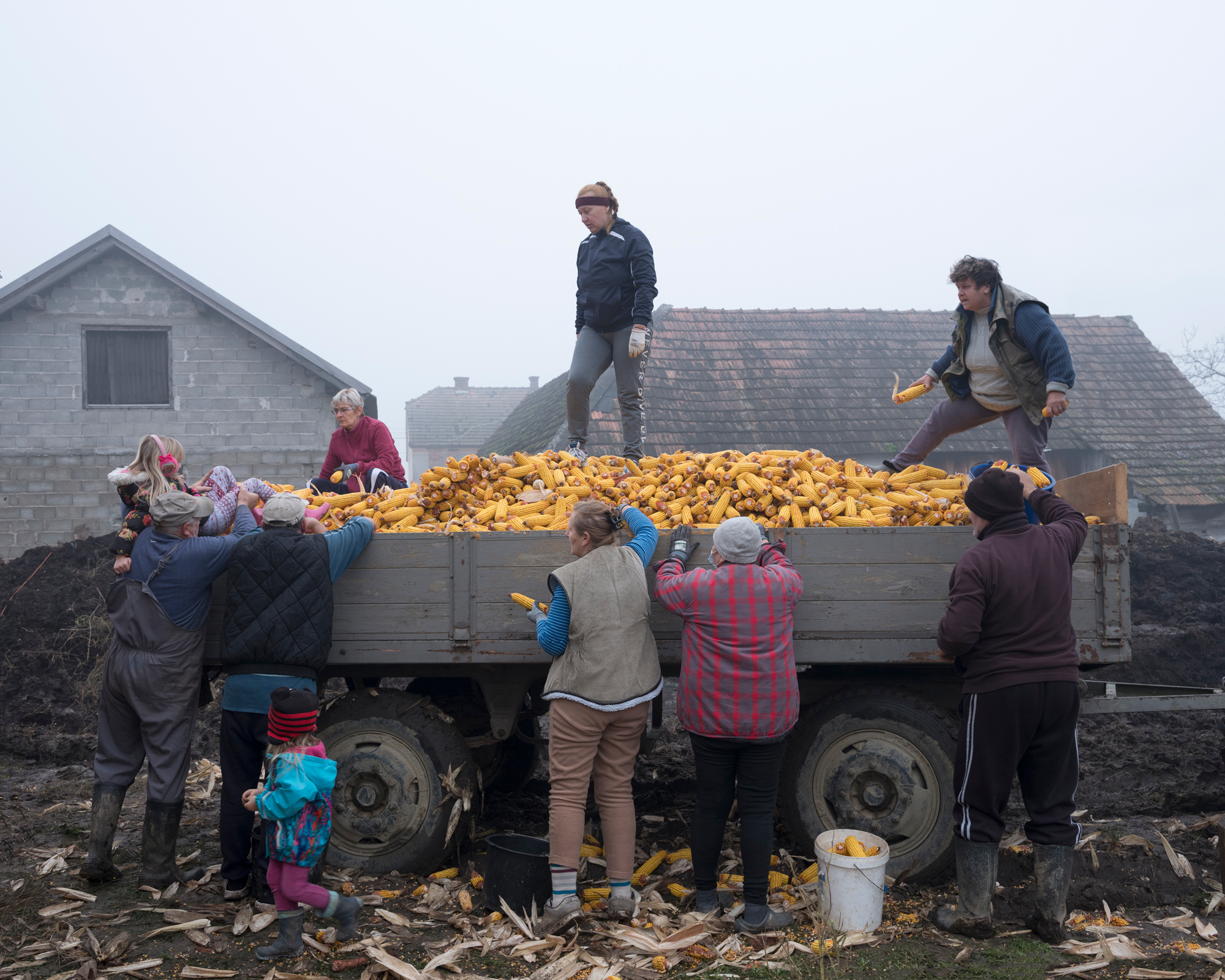
Bojan Mrđenović, from the photographic project “Nature, Chemistry and Society”, 2021
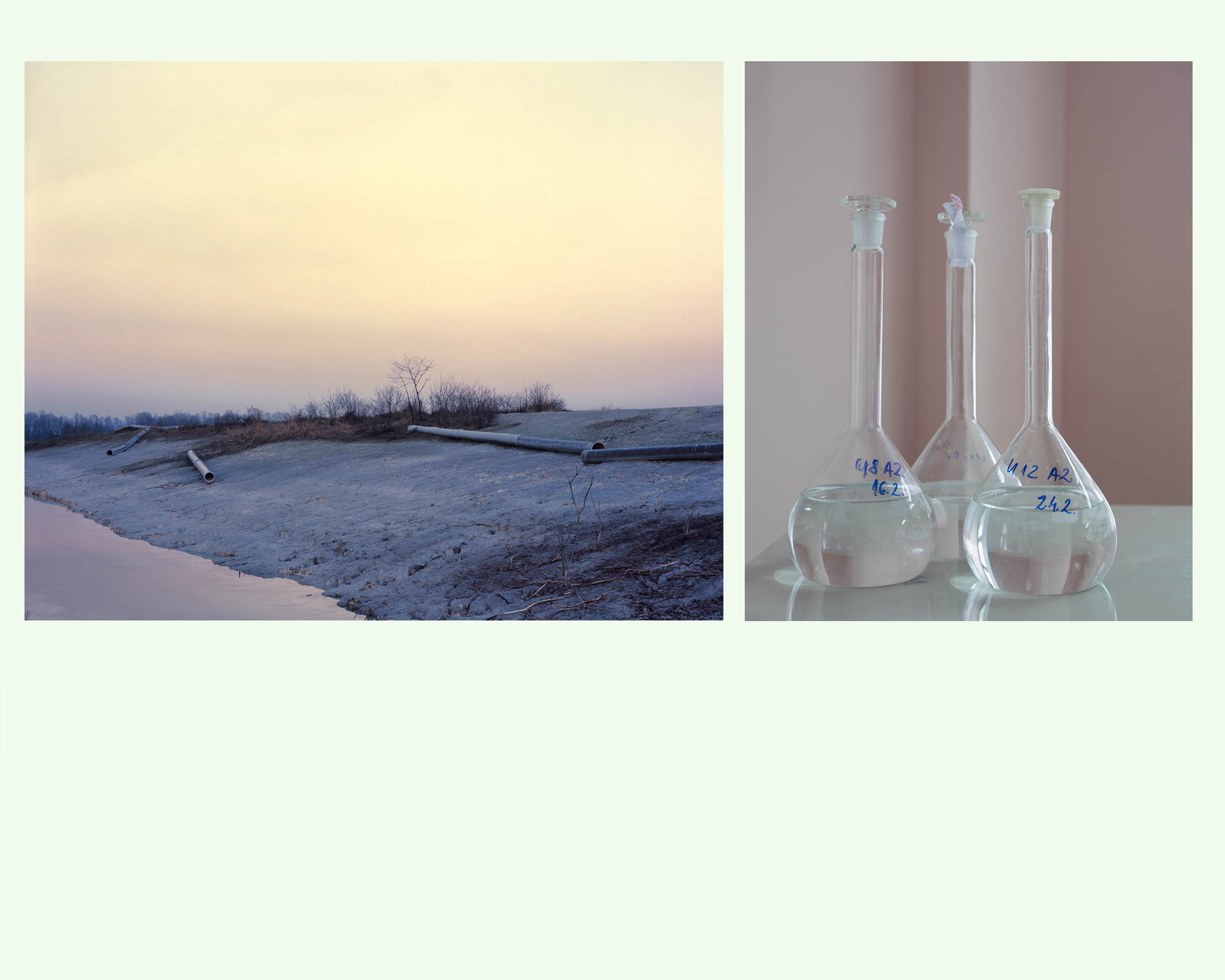
Bojan Mrđenović, from the photographic project “Nature, Chemistry and Society”, 2021
The three selected photographic projects from Croatia – Bojan Mrđenović’s Nature, Chemistry and Society, Dea Botica’s Delta Oscar Mike, and Petra Slobodnjak’s Displacement: Planinska 7 – address, through distinct artistic approaches, physical and emotional spaces of (non-)belonging, decline, and forgetting, as well as the inevitable political dimension of intimate experience. Each project begins from a personal and/or local context, but their narratives gradually open out towards a broader social and collective framework. In the project Nature, Chemistry and Society, Bojan Mrđenović continues his long-term exploration of the decline of the Petrokemija factory, whose abandoned interiors now function as a kind of archive of a bygone era. The photographs document the physical remains of an industrial system that for decades shaped both the identity of the town of Kutina and the livelihoods of its inhabitants. Mrđenović’s attentive documentary approach focuses on traces of life, processes of urbanisation, and the relationship between industrial materials and the natural environment, showing how the factory simultaneously shaped the social identity and landscape of the entire region. The work of the Sputnik Photos collective, which brings together photographers and artists from Eastern Europe, focuses on questions of identity, collective memory, and the legacy of the post-Soviet space. The festival presentation features the project Lost Territories Archive and the publication Wordbook, the result of a collaboration between twenty-one authors inspired by archival photographs. Through a range of visual and textual approaches, the project reflects on the ways in which the legacy of the Soviet Union continues to shape the region’s social, political, and emotional landscapes. The photographs depict semi-abandoned housing blocks and buildings which, though still inhabited, appear suspended outside time. Their residents are present only through traces of everyday life: brightly coloured laundry hangs between grey facades, while abandoned interiors and monumental high-rises emerge from the mist. These details do not function as documentary evidence of life, but are integral elements of an almost surreal environment, as though they had spontaneously merged with the architecture and the surrounding landscape. Here, too, space is a central thematic concern, but unlike in the projects discussed above, it is not a concrete site of personal experience or social interaction. In Lost Territories Archive, space becomes abstract, isolated, and almost otherworldly – a space of “after” rather than “during”. Lacking immediate human presence and a clear sense of time, it appears as a distant idea or a fragment of collective memory suspended between past and present. The photographs thus do more than depict the physical remains of the post-Soviet world; they create an atmosphere of permanent dislocation, in which architecture and landscape come to embody a sense of loss, forgetting, and ambiguity generated by unresolved historical questions.

Dea Botica, from the photographic project “Delta Oscar Mike”, 2019

Dea Botica, from the photographic project “Delta Oscar Mike”, 2019

Dea Botica, from the photographic project “Delta Oscar Mike”, 2019

Dea Botica, from the photographic project “Delta Oscar Mike”, 2019
Unlike Mrđenović’s work, Delta Oscar Mike and Displacement: Planinska 7 emerge from distinctly autobiographical positions, exploring the notion of intimate space and its role in shaping identity, a sense of belonging, and one’s relationship to the community. Although both artists approach space as a site inscribed with emotional and social meaning, their visual strategies differ primarily in the degree of physical proximity to their subjects. In Delta Oscar Mike, Dea Botica draws on her own experience of growing up and living aboard the cargo ship where her father worked. The photographs capture the distinctive everyday life situated between home and transit, while also emphasizing both the visual character of life on board and its emotional impact. By contrast, in Displacement: Planinska 7, Petra Slobodnjak focuses on fragments and details of a shared living environment: traces of neighbourly relations, everyday rituals, and collective life within a building. Her photographs treat space as a repository of memory and intimate social relations, with architecture mediating between personal and collective experiences.
The themes of space, identity, and politically charged landscapes feature prominently in the regional projects shown at ZagrebDox, such as photographer Armin Graca’s Points of Impasse and Mitar Simikić’s Black Gold. Both works take Bosnia and Herzegovina as their point of departure, a space marked by enduring political and social tensions, though they approach it from different perspectives. In Points of Impasse, Armin Graca explores the consequences of post-war divisions in Bosnia and Herzegovina. The boundary established by the Dayton Agreement, which divided the country into two entities and one district, in his photographs becomes a symbol of enduring psychological and social divisions. The artist observes that “consciously or unconsciously, hatred is still passed down from one generation to the next”, suggesting that the war is not merely a historical event but remains deeply inscribed in everyday space and collective consciousness. The photographs thus document not only the landscape, but also the invisible boundaries that continue to shape individual and collective identities. Themes of freedom and identity are also strongly present in the work of photographer Jovana Semiz, who explores youth, the
testing of boundaries, and shifting identities during the process of growing up and the many transitions young people undergo. Days of rebellion, restlessness, absolute happiness, freedom, and ecstasy – but also fear of the future – permeate the atmosphere of Semiz’s photographs, giving them the raw immediacy of a snapshot of her protagonists’ youth.
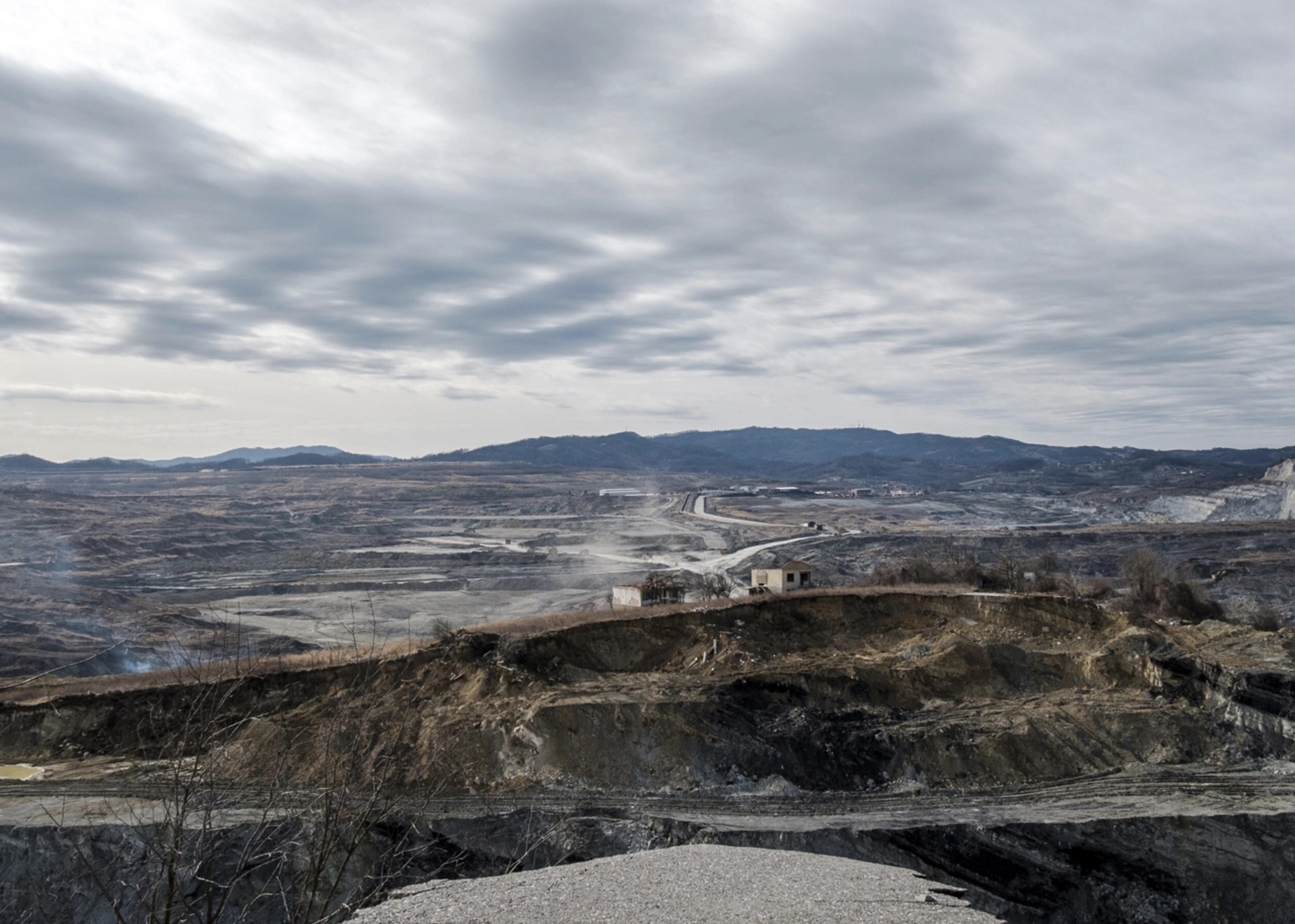
Mitar Simikić, from the photographic project “Black Gold”, 2020
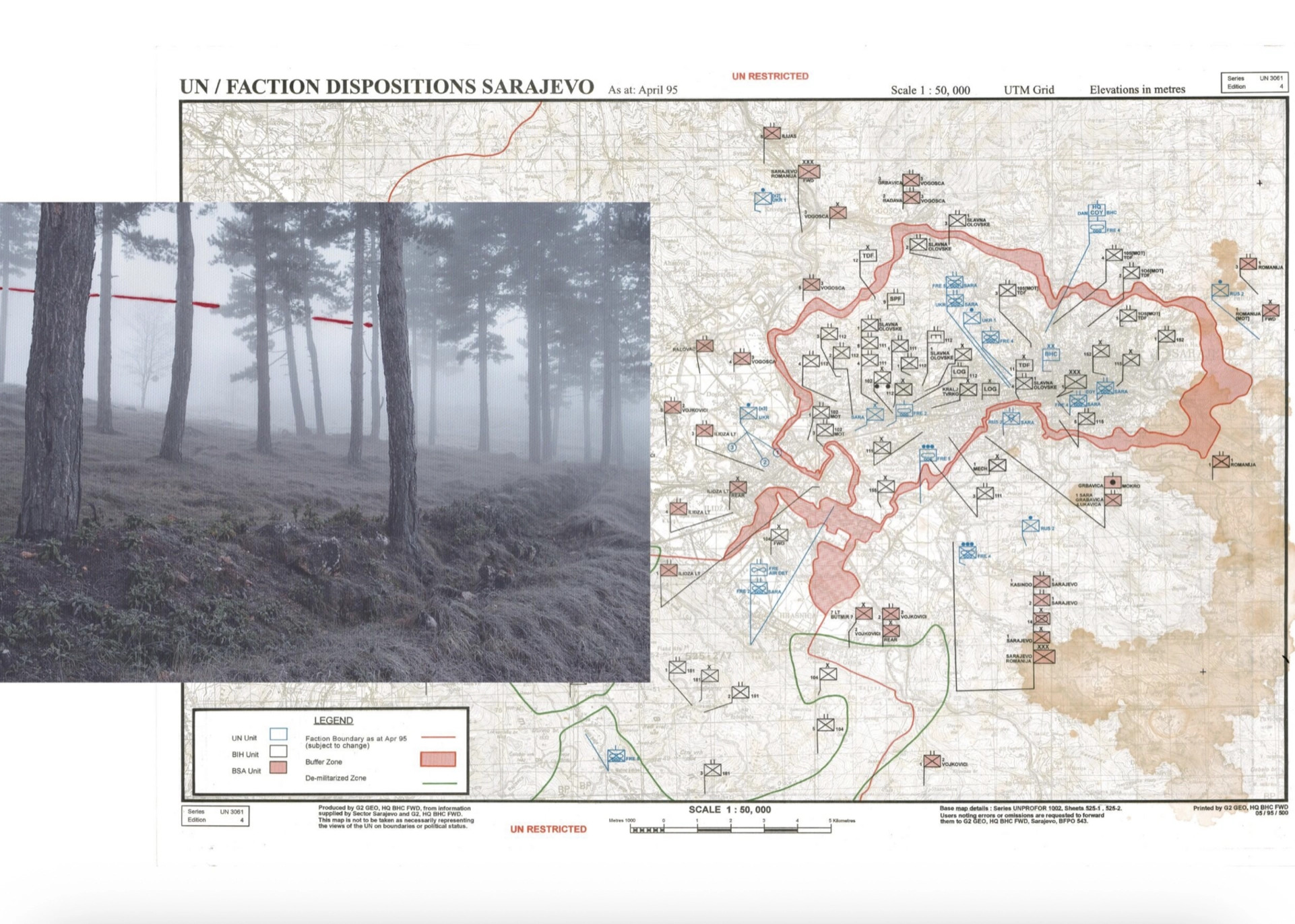
Armin Graca, from the photographic project “Points of Impasse”, 2019–
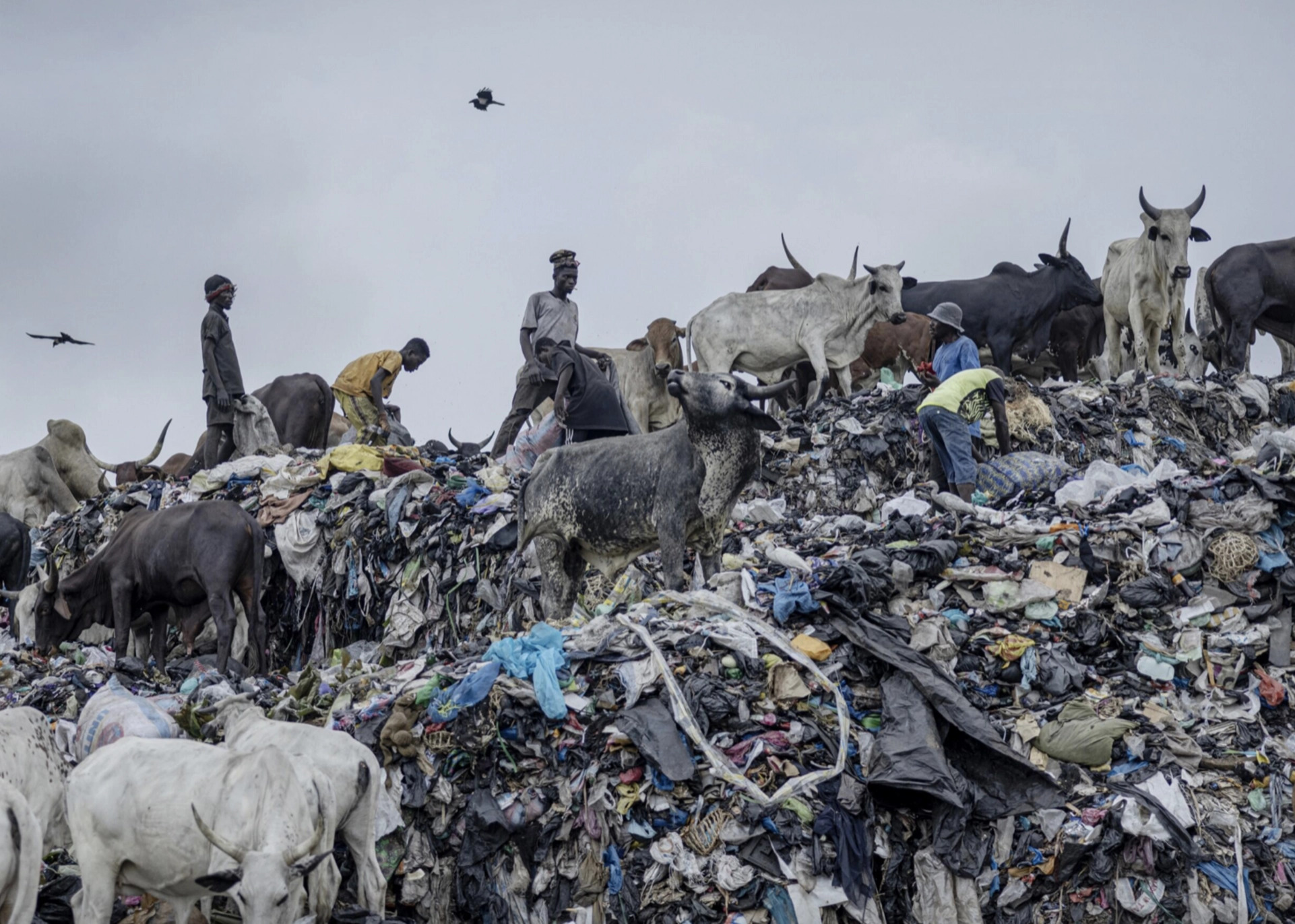
Magnus Wennman, from the photographic project “Ground Zero of Fast Fashion”, project in making
Among the projects presented, Swedish photographer Magnus Wennman’s series Ground Zero of Fast Fashion is particularly striking. Like several of the other works, it examines the relationship between space, people, and the environment, but it does so from a global and explicitly political perspective. The visually powerful series exposes the mechanisms of contemporary consumerism and the fashion industry’s use of “green” marketing – greenwashing – through which major companies encourage consumers to return used clothing on the promise that it will be recycled. Wennman’s photographs reveal the reality behind such narratives: most discarded textiles never enter the recycling process but are instead exported to countries such as Ghana and Benin, where they flood second-hand clothing markets. What cannot be sold ends up in vast landfills or is burned, with severe environmental consequences. Images of monumental piles of clothing and devastated landscapes are at once documentary and dystopian, underscoring the scale of the ecological crisis in countries of the so-called Global South. However, Wennman’s work goes beyond documenting environmental devastation; it also raises questions about global power relations, neocolonial economic structures, and class and racial inequalities that allow the consequences of consumer society to be displaced from the centre to the periphery. Here, space once again becomes a site of political conflict, a territory visibly marked by the effects of late capitalism and the unequal distribution of accountability for the ecological crisis.

Petra Slobodnjak, from the photographic project “Displacement: Planinska 7”, finished in 2021

Petra Slobodnjak, from the photographic project “Displacement: Planinska 7”, finished in 2021

Petra Slobodnjak, from the photographic project “Displacement: Planinska 7”, finished in 2021
Alongside works that approached a range of social phenomena through introspective, politically engaged, and visually evocative strategies, it is also worth reflecting on the very concept of presenting photographic projects within the framework of the ZagrebDox film festival. The mode of presentation was unconventional, yet conceptually challenging for both the artists and the audience. Removed from the conventional gallery context, the photographic projects were shown in a cinema auditorium in a kind of slideshow format, relocating the experience of viewing photography to a setting primarily designed for film. This approach allowed for a different rhythm of viewing and engaging with photography, while giving the artists freedom to determine the duration, order, and mode of presentation of their work. In doing so, they partly assumed the role of curator, shaping their own “cinema exhibition” and defining the dynamics between image, time, and audience. However, despite the potential of this exhibition format, certain aspects of the programme gave the impression that the photographic and film strands of the festival had not been fully integrated. The photographic projects were generally presented ahead of the film screenings, most often as part of the early-afternoon programme, which meant that they frequently came across as an introduction or supplement to the film programme rather than autonomous artistic works. As a result, some projects were overshadowed by the festival’s film content, particularly when there was no clear thematic or conceptual connection between the photographic work and the film that followed. Even so, the attempt to integrate photography into the festival’s cinematic setting proved to be an intriguing experiment, raising broader questions about how contemporary documentary photography might be exhibited and engaged with.

Jovana Semiz, from the photographic project “Borderline of Freedom” 2016–2021
Although rooted in different geographical, political, and social contexts, the works presented share a common interest in the relationship between individuals and the structures that shape everyday life. Through themes of labour, history, migration, collective memory, and the environment, the artists explore the ways in which inherited systems of power continue to inform contemporary experience, particularly through processes of transformation, adaptation, and resistance.The environmental dimension occupies a particularly important place within the programme, with several projects exposing the uneven distribution of the effects of ecological crises and drawing attention to the global political and economic inequalities that produce them. Taken as a whole, “Foto Dox” affirms the vitality of documentary photography as a medium that goes beyond the mere documentation of reality. Here, photography emerges as an analytical, investigative, and critical tool – a medium capable of linking intimate and personal narratives with complex social and political processes. The programme does not seek to establish a single aesthetic or thematic paradigm, but instead offers a thoughtfully conceived glimpse into one segment of contemporary documentary photography, encompassing a range of visual languages, methodologies, and artistic positions. Such diversity of approaches demonstrates the breadth of contemporary documentary practice, as well as its capacity to retain a strong social and political dimension across different forms.
Sara Simić
(translated by Tihana Bertek)